Quotes

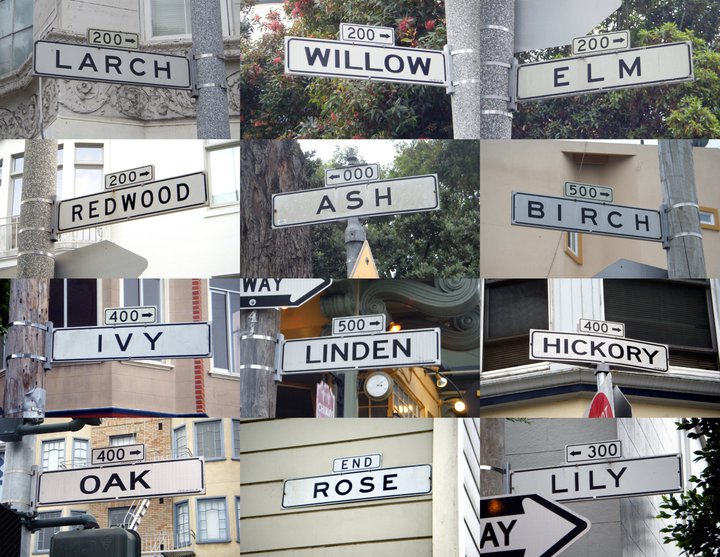
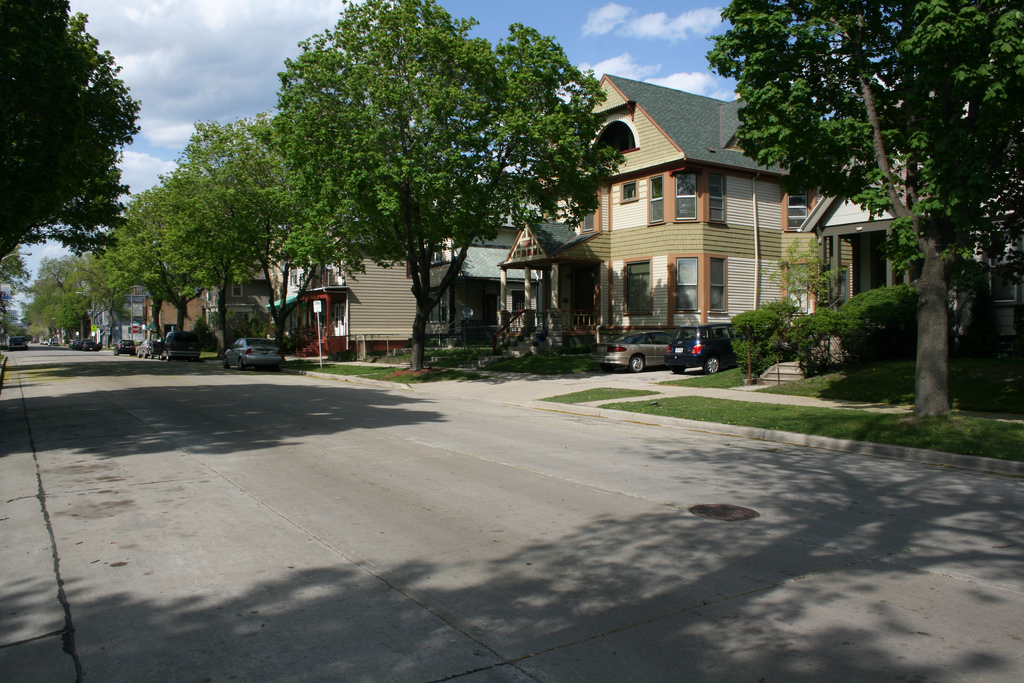
Cool Gray City of Trees Interview with Mei Ling Hui

Mei Ling Hui has been with San Francisco’s Department of Environment since 2007, first as the Urban Forestry and, more recently, the Agriculture Coordinator. Along with her main role in those programs, she provides support to the Climate, Environmental Justice, and Toxics Programs, serving at the intersection of many public stakeholders. She provides staff support to… More

Read Article

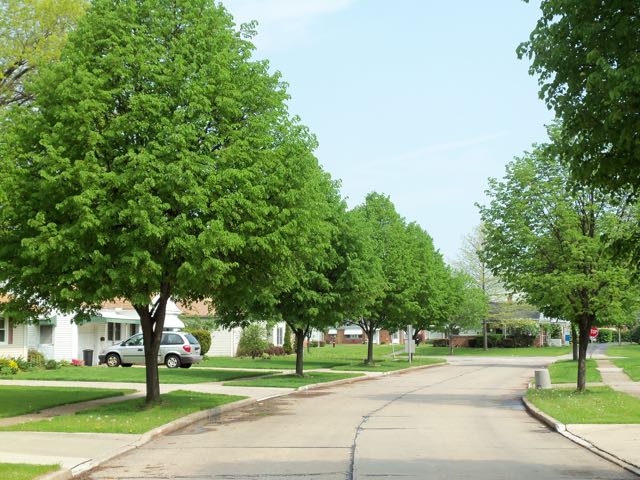
From Shovel to Master Plan Interview with Regional Forester Alan Siewert

“Right tree, right place” is easier to do in Ohio thanks to the Urban Site Index (USI), a tool for assessing soils and planting sites developed by OHDNR regional urban foresters Alan Siewert and Stephanie Miller. By observing various tree species in various sites, site ratings for different tree species can be developed for various… More

Read Article

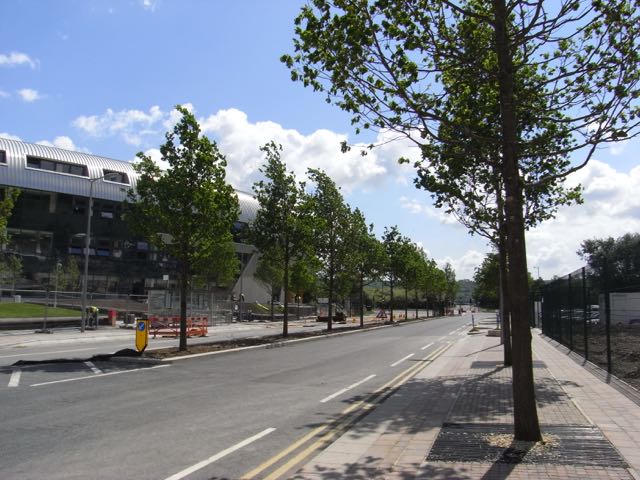
Inspiring the Next Generation Interview with Russell Horsey

Russell Horsey is the Development Director at the Institute of Chartered Foresters in the United Kingdom. Prior to joining the Institute, Russell was Senior Arboricultural Officer (similar to Head Urban Forester in a U.S. city) for the City of Bristol, England. He is a graduate of the Universities of Brighton, UK, and gained a Masters… More

Read Article

Phoenix, AZ’s Once and Future Forest

Richard Adkins, the Forestry Supervisor for the city of Phoenix, Arizona, likes to joke that despite the perception, Phoenix actually does have an Urban Forest. I met Richard when we were both speakers this past August at the American Public Works Association (APWA). He spoke to me about Phoenix’s current urban forest and some of… More

Read Article

Success Factors For Civilian Urban Tree Care

A natural forest depends on a variety of partnerships between plants, animals, fungi and micro-organisms. An urban forest depends on a similarly complex series of partnerships, albeit mostly between humans. Many biological factors affect the survival of an urban tree. I want to compare two studies involving community forestry programs about young urban tree establishment… More

Read Article

Smart Tree Care and Maintenance Lessons from other cities

In part one of this post, I gave my recommendations for how to address tree maintenance needs in a smarter and more financially (and ecologically) sustainable way. Those recommendations are great, but also general. I think we benefit the most when we share as much specific information about implementing ideas as possible, so today I… More

Read Article

Rethinking Maintenance of Urban Trees

If you’re a municipal arborist, you probably got into the field of tree care because you love working with trees and you could make a modest living. You know that that in cities maintenance is the only way that trees get large – and that size matters when we talk about the kind of ecosystem… More

Read Article

What Kind of Arborist Do You Need?

If you’re involved with an urban development project, chances are trees are also involved in some way, depending on the local municipal codes. Existing trees may need to be protected or require a permit for removal. Many municipal codes require a Certified Arborist to evaluate all or some of the trees on site and write… More

Read Article

3 Ways The Urban Forest Impacts Your City

Trees have myriad positive effects on urban areas. And finally, forward-thinking cities are beginning to see trees as an important investment and understand that well cared for trees are not only an asset to the community, but can also save cities money. Many people already know that trees cool cities and reduce the heat island… More

Read Article

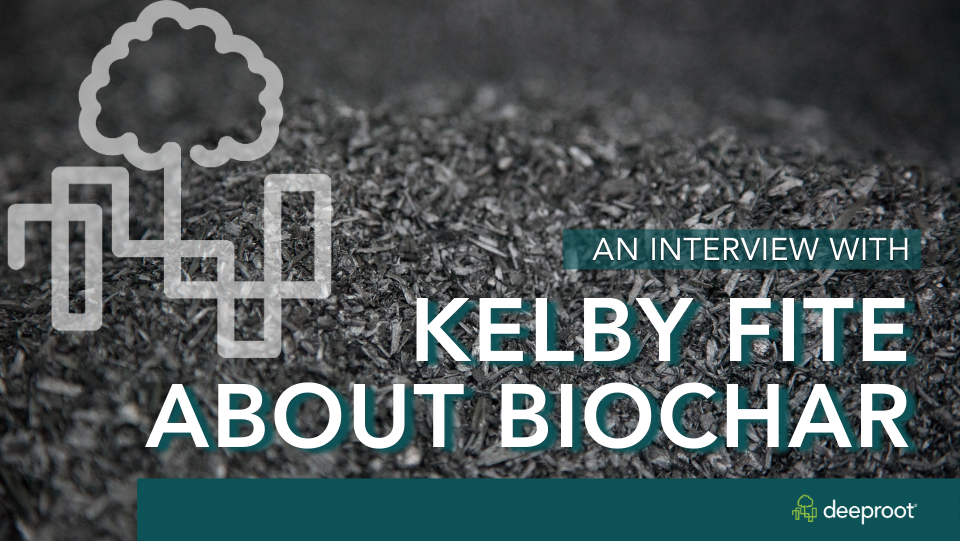
An Interview with Kelby Fite about Biochar

Dr. Kelby Fite is a national leader in the use of biochar to improve tree health. Kelby is an Arboricultural Researcher at Bartlett Tree Laboratory in Charlotte, North Carolina — a 350 acre private arboretum, diagnostic laboratory, and exceptional applied research center. His specialties are root biology and urban soil renovation. Kelby has a PhD…. More

Read Article

Search for the “Perfect” Soil Specification

Imported soil specifications have evolved over the last 30 years to become quite specific about products. Frequently, they appear to be iron-clad descriptions of the most optimum soil; many specification writers would like us to think that even minor deviations from these documents will result in horticultural disasters. But “standard” specifications are not one-size-fits-all. Many… More

Read Article

Join Our Newsletter

Sign up to our newsletter to stay up-to-date on news, updates, and product information.

Explore our archives

Interested in a DeepRoot product? Get a quote today.

Request a Quote [email protected]

Tel: 415 781 9700
Toll Free: 800 458 7668
Toll Free: 800 277 7668
Fax: 415 781 0191


Sign up to our newsletter to stay up-to-date on news, updates, and product information.