Quotes

Why Cities are Better for Watersheds than Suburbs

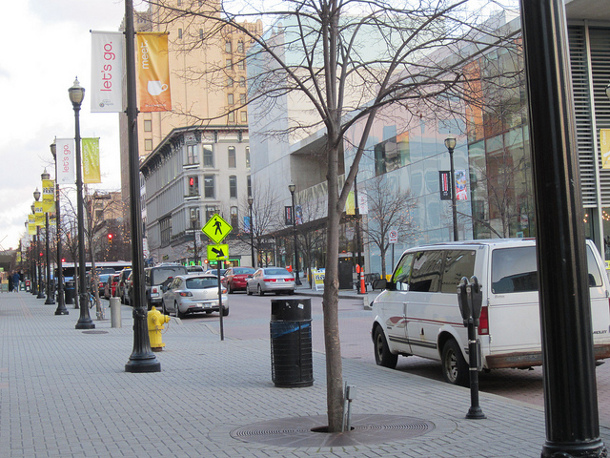
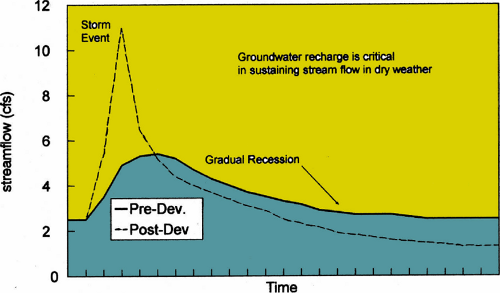
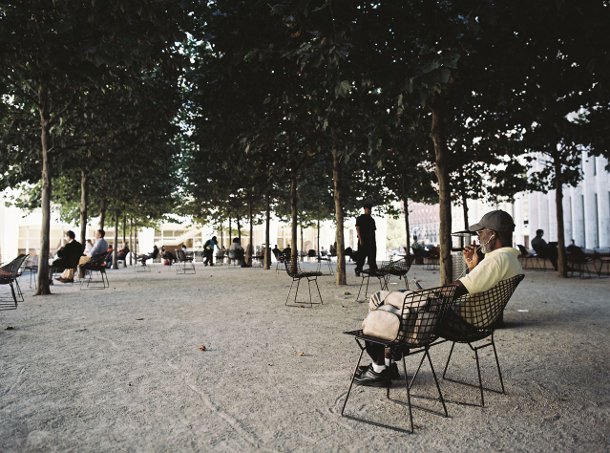
Development necessarily creates giant swaths of constructed areas that have no unifying ecosystem. It also disturbs existing natural areas that are part of the natural cycling of water, minerals, chemicals, plants and animals. Yet despite these complications, density is valuable in terms of impact mitigation on a per-person basis, as least as far as pollutant… More
Read Article

Will Deep Soils Become Anaerobic?

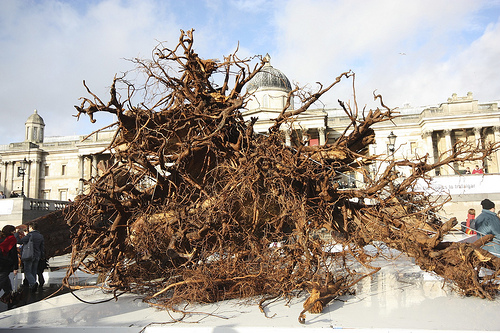
All areas of study and their industries have to cope with inaccurate but often widely accepted mythologies, and arboriculture is no exception. There are a few of these that we encounter again and again. We’ve already busted the myth that tree roots don’t grow very deep, but here’s another one: do deep soils increase the risk… More

Read Article

A Million Trees? Only If We Can Keep Them Around

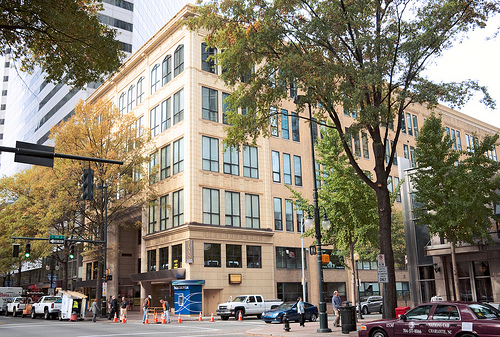
In February, the U.S. Forest Service published a report indicating that cities around the country are losing around 4 million trees per year. Of the 20 cities included in the study, 17 showed significant losses of canopy cover, and 16 showed significant increases in impervious hardscape (or paved surfaces that don’t absorb water). At the same time,… More

Read Article

Performance Metrics and Longer Contracts for a Successful Landscape

Last month’s Landscape Architecture Magazine had an interesting feature by Mike Singer. The article, titled “Are We Done Yet? Measuring for a project’s success is keeping clients and designers engaged well after installation,” explores an emerging trend in the field: extended contract periods to address the long-term success and performance of the site’s landscape.

Read Article

Municipalities With Soil Volume Minimums for Trees

This post is now out of date! Please see the updated post here. In the day-to-day, we can become so focused on what isn’t working with the way we design and plant street trees that it can be difficult to focus on the people and places that are actually doing right by them. It’s just so… More

Read Article

Why You Don’t Need To Replace Organic Matter In Soil

  As an urban trees and soils consultant, I am always looking for studies that examine how trees survive and adapt to the built environment. One of the biggest questions and confusions I encounter is the issue of whether organic matter (something that I discussed in a previous post) needs to be added to urban… More

Read Article

Does Bioretention Still Work When the Ground Freezes? Part 2: Maximizing Bioretention Cold Climate Performance

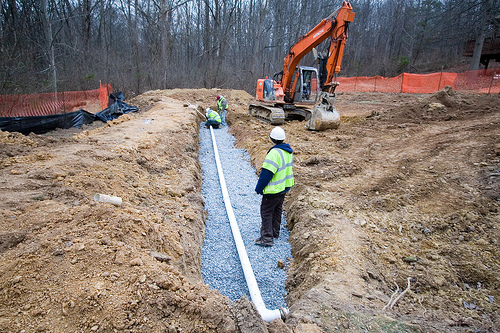
Part 1 of this blog series summarized recent studies in Minnesota, Connecticut, New Hampshire, and King City, Ontario, which all found that the difference between summer and winter performance of bioretention systems is not substantial, even on sites with severe winters. Now that we know that, how do we go about maximizing bioretention performance in… More

Read Article

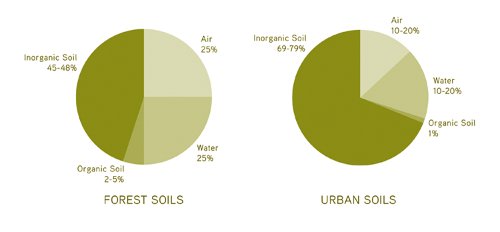
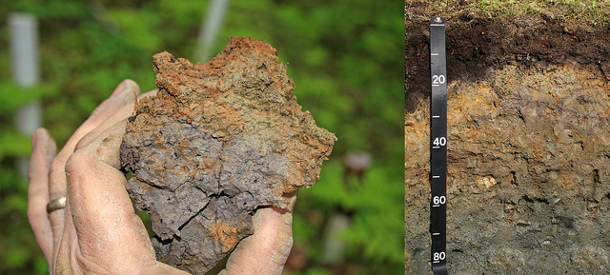
Forest Soils Versus Urban Soils

You don’t need much experience in arboriculture or landscape design to notice that planting trees in cities is very different from planting trees in forest environments. There are many reasons for this, but perhaps the biggest is the difference in composition of the soil.

Read Article

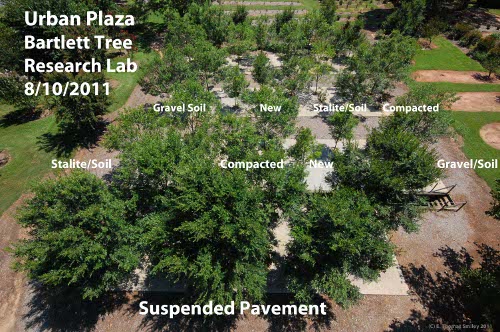
Suspended Pavement at the Bartlett Tree Lab, Year 7

Here are this year’s photos from the Bartlett Tree Lab study comparing different planting methods for urban trees. For comparison, check out last year’s set. And for a fuller chronological picture, you can see all the photos up to that point in this post.

Read Article

Join Our Newsletter

Sign up to our newsletter to stay up-to-date on news, updates, and product information.

Explore our archives

Interested in a DeepRoot product? Get a quote today.

Request a Quote [email protected]

Tel: 415 781 9700
Toll Free: 800 458 7668
Toll Free: 800 277 7668
Fax: 415 781 0191


Sign up to our newsletter to stay up-to-date on news, updates, and product information.