Webinar: Using Trees and Soils to Manage Urban Stormwater
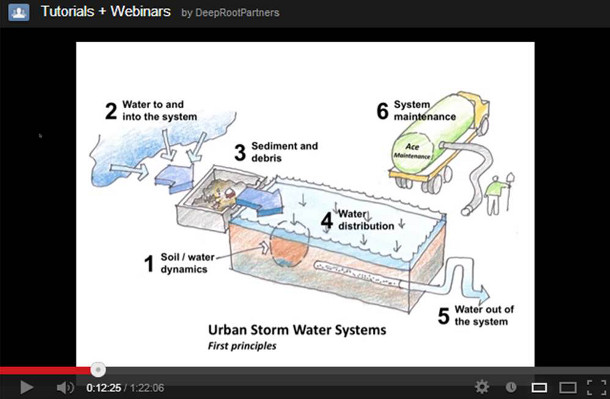
A recording of last month’s webinar, with guest speaker James Urban, FASLA, is now up on our YouTube channel. The topic is “Using Trees and Soils in Urban Stormwater Management.”
A recording of last month’s webinar, with guest speaker James Urban, FASLA, is now up on our YouTube channel. The topic is “Using Trees and Soils in Urban Stormwater Management.”
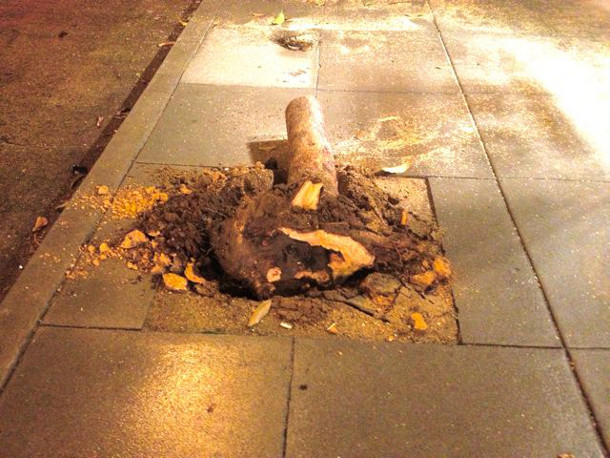
The research has been out for a while now: circling, girdling, diving and kinked roots in the nursery pot lead to poor health, blown-down trees and shorter lifespans. With budgets for greenery shrinking, every tree or shrub has to last for a while.
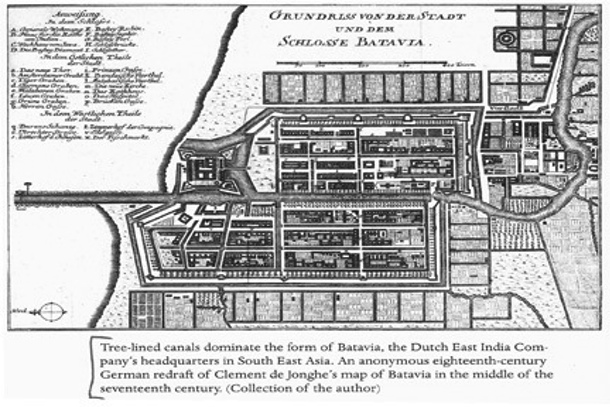
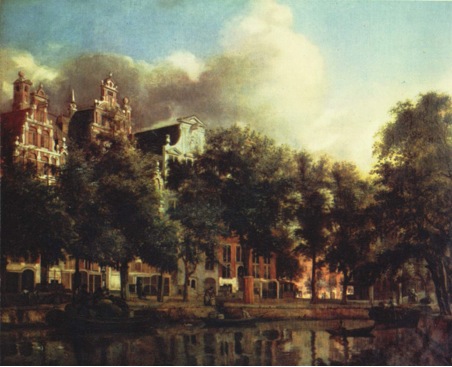
Today is the second to last post of Peter MacDonagh’s five part series on the history of street trees in Holland. In this one, the Dutch expand their master planning to their pesky colonies. -LM Eventually the Dutch East India Company (VOC) controlled colonial trading cities in Asia, Africa, South America, and New Amsterdam in… More
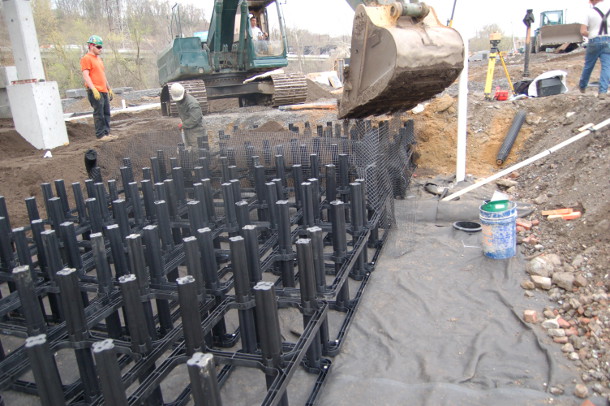
In April last year we shared some news about a Silva Cell project in Philadelphia – the Venice Island Recreation Center, in the Manayunk neighborhood. Venice Island sits between the Manayunk Canal and the Schuylkill River. After two years of work on the whole site – which was built up anew after demolishing the old… More
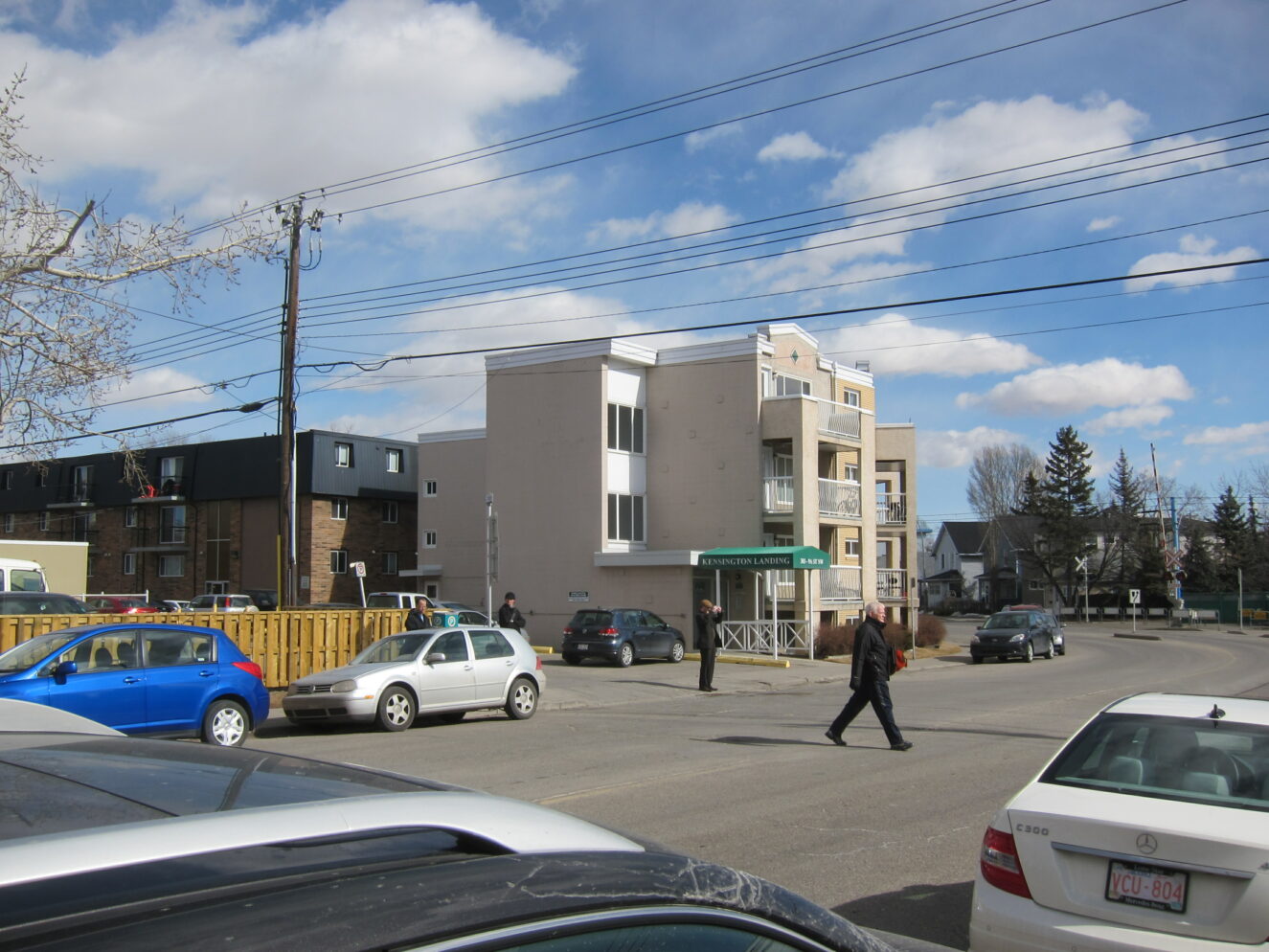
2nd Avenue NW in Calgary, Alberta is a mixed-use street that runs through the Kensington neighborhood of the city. One section across the river from central downtown Calgary, between 10th Street NW and 9th Street NW, has been developed as a model site demonstrating how a dense, commercial street can manage stormwater directly on-site using… More
Here is Part 3 of Peter MacDonagh’s series on the history of street trees in Holland. Things are starting to heat up! -LM The Low Country cities (which included both Holland and Belgium until 1830) went all in on the spice trade from the 1200’s forward. Most of these spices were harvested from the fruit… More
When the Ray family bought the DeepRoot business in 1992, we only sold root barrier, Geomembranes, and ArborGard. Over time, the focus of the business grew as Graham and Julian brought on ArborTie. The business grew some more – actually, a whole lot more – with the addition of the Silva Cell in 2006. As these changes kept piling up, and as we shifted and… More
Here is Part 2 of Peter MacDonagh’s series on the history of street trees in Holland. Peter’s knowledge is incredible; I promise you don’t want to miss this unusual history of Holland through its trees. -LM The Low Countries, as one would guess, were perpetually wet – abounding with swamps, marshes and bogs. To increase… More
People accustomed to observing trees, especially in urban areas, find no shortage of dismaying situations to gnash their teeth over. Trees in too-small plots, buried root balls, broken and vandalized branches, poor stock, and unnecessary pruning are just a few of them. Most of these are situations that ordinary citizens can’t do anything about. But there are… More
For today’s post, experts L. Peter MacDonagh and James Urban, FASLA tackle one of the most commonly asked questions we hear about whether tree stability is related to an evenly developed root ball. Here is what they have to say. -LM Without a completely developed root system on all four sides, won’t trees fail? What… More
Every Monday for the next five weeks, we’ll be running a blog entry by Peter MacDonagh about the history of street trees in Holland (to see Peter’s fantastic series on the history of street trees in Paris, click here). Peter’s knowledge is incredible; I promise you don’t want to miss this unusual history of Holland… More
In early June, the Portland Oregonian published an editorial titled, “Portland’s Cadillac Tree Plan.” In it, the board suggested that Oregon’s urban trees are doing great just the way they are, and argued that the city’s new tree code is costly and ineffectual. (The code was adopted two years ago but has not been implemented due… More
 Soil. Stormwater. Sustainable Infrastructure.

Request a Quote [email protected]
Tel: 415 781 9700
Toll Free: 800 458 7668
Toll Free: 800 277 7668
Fax: 415 781 0191