

Introduction
Municipal street reconstruction is often triggered by aging underground infrastructure: water mains, sewer lines, utilities, sidewalks, curbs, or drainage systems that have reached the end of their service life.
But once a street is opened up, the project becomes more than a repair. It becomes a planning opportunity. Instead of simply replacing old infrastructure and restoring the same hardscape conditions, municipalities can ask a bigger question: What else should this street be doing for the community for the next 10, 25, or 50 years?
Street reconstruction gives cities a rare chance to use necessary repair work as the foundation for broader revitalization. If the ground is already open, why not rebuild the street to support healthier trees, more welcoming sidewalks, improved public space, and, in some cases, stormwater management at the source?
With the right planning, required infrastructure work can become the moment when a street begins doing more than moving cars, pipes, and people. It can become a greener, cooler, more resilient civic space. By using this opportunity to integrate clever green infrastructure solutions like Silva Cell, municipalities can turn routine reconstruction into long-term ecological value. Let’s explore how.
Excavation: The Hard Part
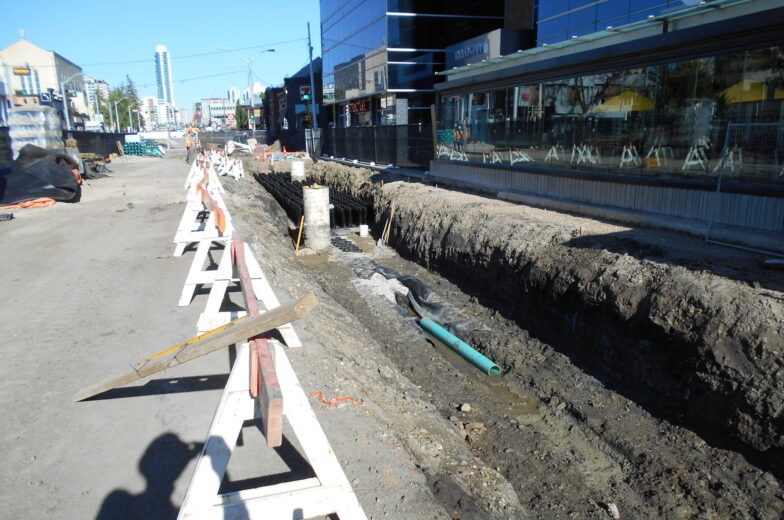
One of the biggest barriers to urban green infrastructure is excavation. Digging in the right-of-way is disruptive and expensive — it affects traffic, utilities, businesses, residents, accessibility, and construction schedules.
This is exactly why reconstruction is such an important window.
If a municipality already needs to open the street, remove pavement, coordinate underground conflicts, and rebuild the public realm, then adding green infrastructure at the same time can be far more practical than returning years later for a standalone tree or stormwater project. The excavation is already happening, and the capital investment is already underway; this is the time to ask what else that investment can accomplish, adding long-term value to the prohibitive excavation process.
When cities think about revitalizing a street’s utility, that should not mean only replacing literal utilities. It should also mean rethinking the street’s broader function: how it supports public life, manages environmental stress, strengthens the urban forest, and contributes to the daily experience of the people who use it.
This is especially important in downtown cores, aging commercial districts, and heavily paved corridors where public space may feel tired, hot, uncomfortable, or disconnected from the community around it. Street reconstruction can be a powerful moment of renewal. It allows municipalities to move beyond basic repair and ask how the corridor can become more useful, beautiful, and resilient.
Coordinating green infrastructure with reconstruction can help municipalities:
- Reduce repeat excavation and avoid future disruption
- Stretch capital budgets by solving multiple problems at once
- Support canopy, climate, and stormwater goals through one project
- Improve the pedestrian experience without requiring a separate streetscape initiative
- Create more durable public spaces that serve the community for decades
In other words: if the street is already being rebuilt, now is the time to build more value into it.
How Repairs Create Environmental Opportunities
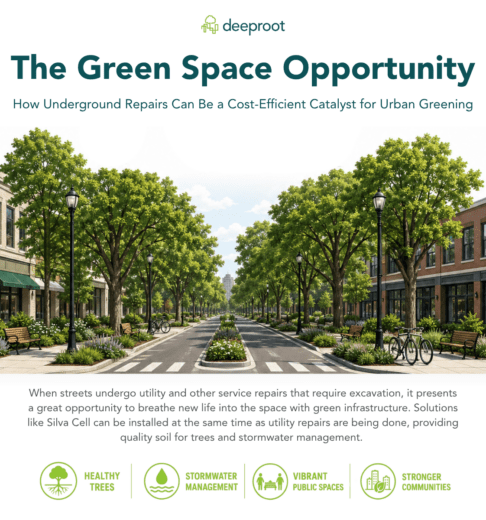
Street reconstruction often begins as an engineering necessity, but it can support a much wider set of municipal goals. Public works, transportation, urban forestry, planning, sustainability, stormwater, and economic development departments may all have overlapping priorities within the same corridor.
Too often, those goals are pursued separately. A street is reconstructed, but trees are planted later. Stormwater upgrades are planned elsewhere, but public realm improvements are postponed until another funding cycle. When departments coordinate early, street reconstruction can become the shared platform for achieving multiple objectives at once.
The underground space is especially important. In dense urban streets, what happens below the pavement determines what is possible above it. If the subsurface is designed only for utilities and compacted base material, then street trees are typically limited to small, isolated planting pits. Those conditions make it difficult for trees to grow into large, healthy, long-lived canopy assets.
And that matters because communities receive the greatest value from urban trees when those trees reach meaningful size and maturity. Small or struggling trees may offer aesthetic value, but large, healthy trees provide a much broader range of environmental, social, and economic benefits.
Mature street trees can help municipalities:
- Reduce urban heat and improve pedestrian comfort
- Shade sidewalks, buildings, transit stops, and public spaces
- Intercept rainfall and reduce runoff pressure
- Improve air quality and support healthier streets
- Strengthen neighborhood identity and sense of place
- Encourage walking, lingering, shopping, and community activity
- Increase the long-term return on municipal tree planting investments
This is where the opportunity becomes especially powerful: the same corridor that needs utility renewal may also be the corridor that needs shade, stormwater relief, pedestrian comfort, traffic calming, or renewed civic identity. The project does not have to solve only one problem.
And one of the best ways to optimize the subsurface space for surface amenity is with Silva Cell.
The Right Time for Silva Cell
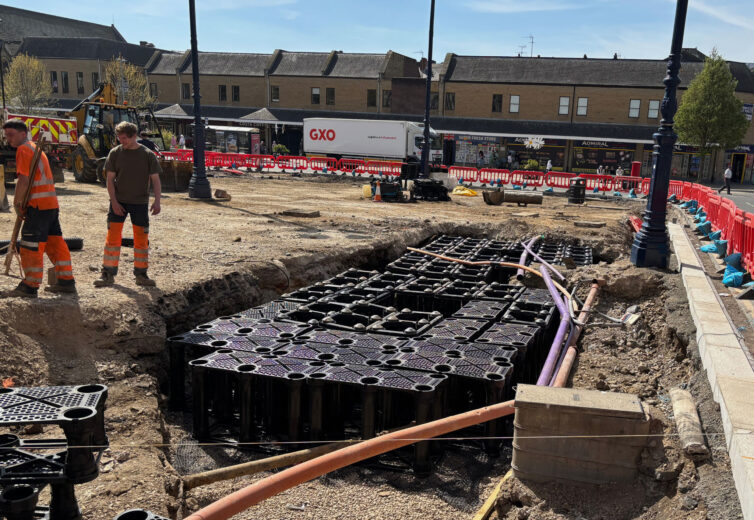
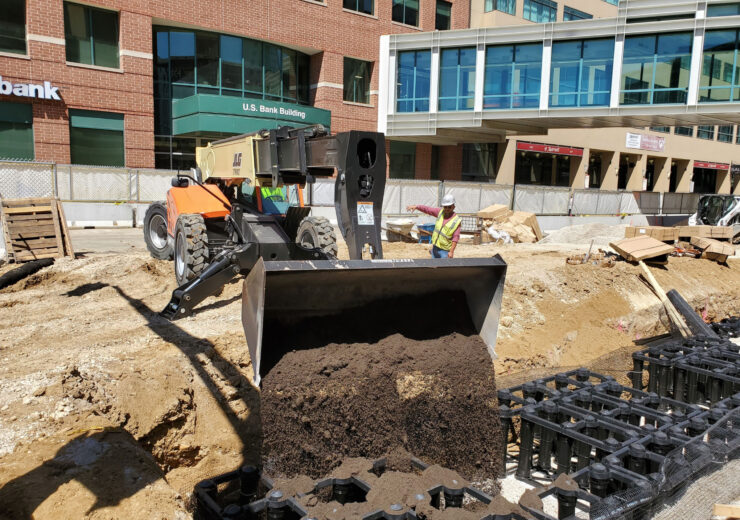
Street reconstruction is one of the most logical times to install Silva Cell because the most challenging part of the work is already underway: the ground is open.
If the street is already being rebuilt, Silva Cell allows municipalities to build tree-supporting infrastructure into the project from the beginning — rather than trying to retrofit healthy growing conditions later. This helps cities get more value from the excavation cost, the construction coordination, and the public disruption that are already part of the reconstruction process.
Silva Cell creates large volumes of usable, lightly compacted soil below pavement while supporting the hardscape above. This allows municipalities to provide the underground growing conditions that street trees need without sacrificing the surface uses that urban streets require.
The sidewalk can still function as a sidewalk. Pedestrian access, accessibility, parking lanes, plazas, furnishing zones, and streetscape elements can remain available above ground. Below the surface, however, the street is doing more: supporting connected soil volumes that help trees grow larger, live longer, and provide greater public benefit.
For municipalities, this is an important distinction. Tree planting is not just about getting trees in the ground. It is about creating the conditions that allow those trees to become long-term assets rather than short-term replacements.
Silva Cell can help reconstructed streets:
- Provide quality soil volume for new street trees
- Support pavement, sidewalks, and other hardscape uses above
- Create connected underground rooting areas
- Improve the long-term performance of municipal tree plantings
- Coordinate tree infrastructure with broader street reconstruction work
- Preserve valuable surface space for people, movement, and public life
In some projects, Silva Cell can also help streets manage stormwater at the source. Runoff from sidewalks, plazas, or adjacent paved areas can be directed into the soil volume, where it can be slowed, stored, and filtered before moving downstream. That dual function is especially valuable in space-constrained streets. Many urban corridors do not have room for large surface stormwater features, expanded planting beds, or major public realm additions. Silva Cell helps municipalities use the space they already have more intelligently: below pavement, within the reconstructed right-of-way, and in coordination with the street’s normal function.
The result is not simply a better tree pit. It’s a better street.
Healthy trees can transform the public realm. They soften hardscape, create shade, improve comfort, and make streets feel more welcoming. In commercial areas, that can support foot traffic and neighborhood vitality. In residential areas, it can improve livability and identity. In civic spaces, it can help turn infrastructure into a place people actually want to spend time.
This is the real value of planning green infrastructure during reconstruction. The municipality is not only repairing what is underground. It is shaping what the community will experience above ground for decades.
Silva Cell Success Stories
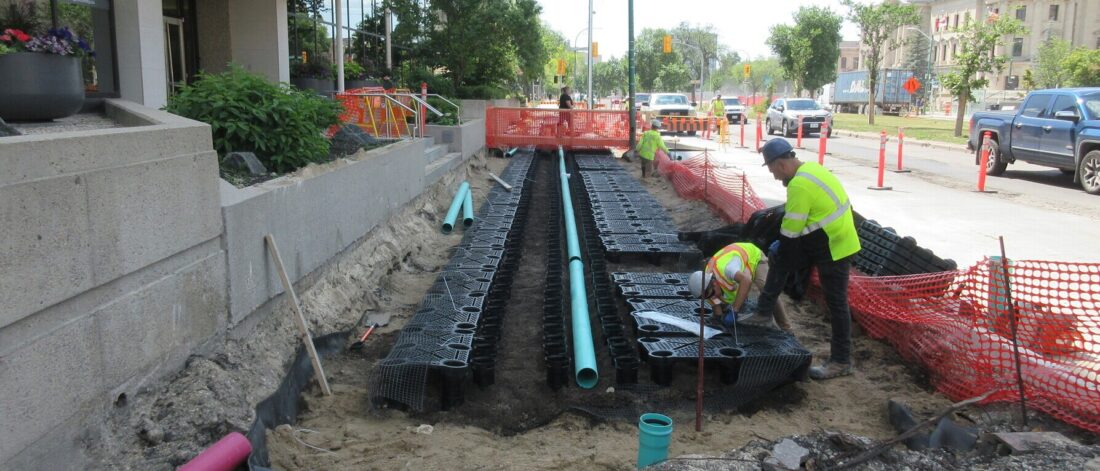
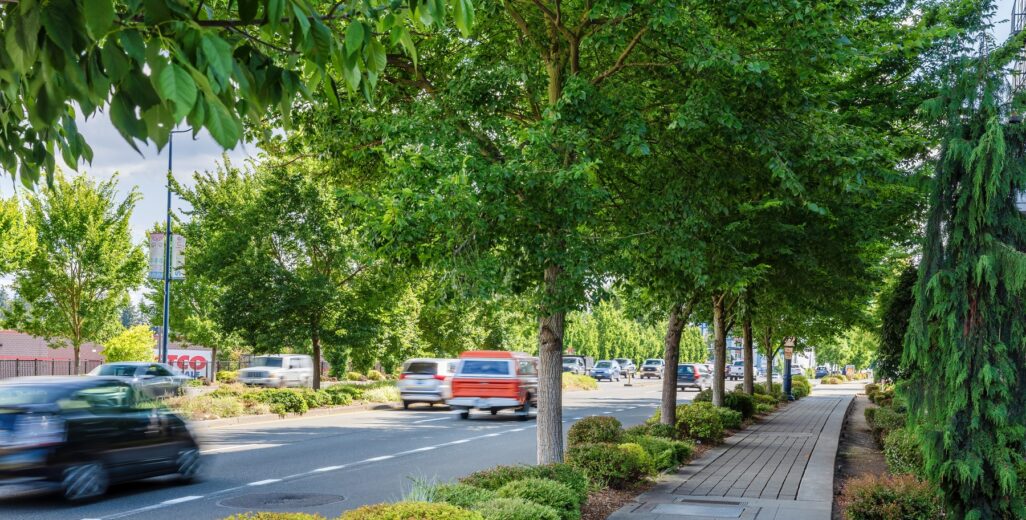
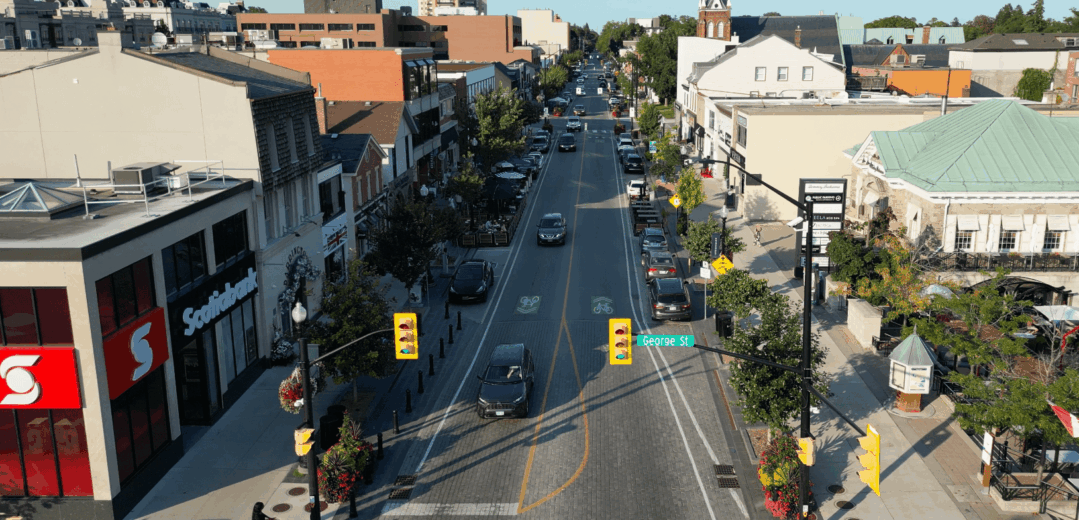
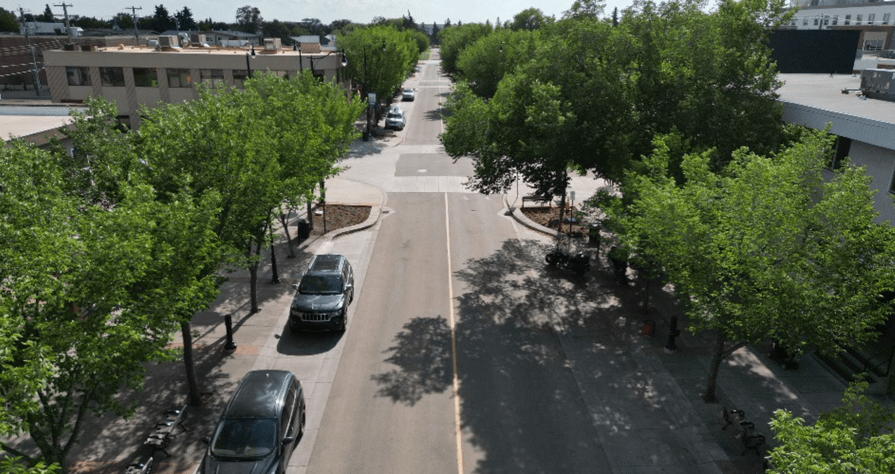
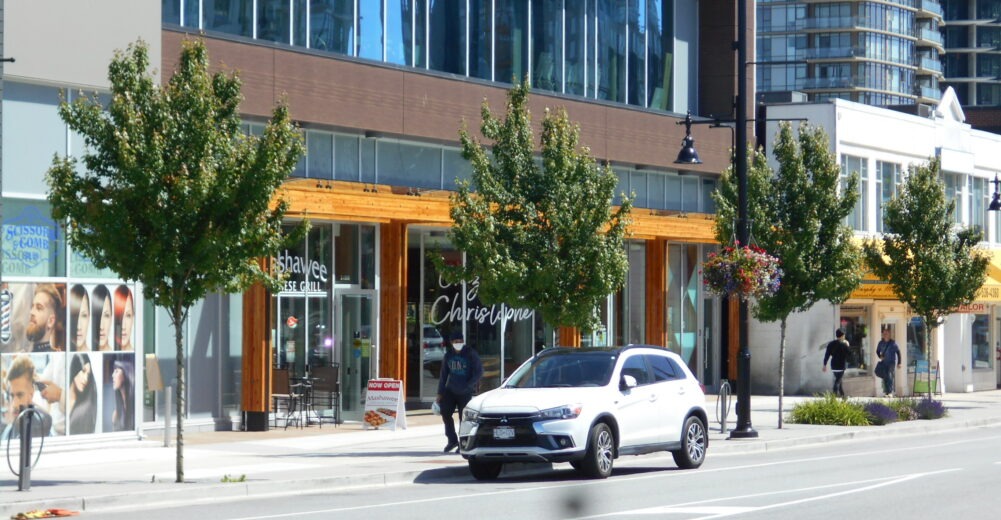
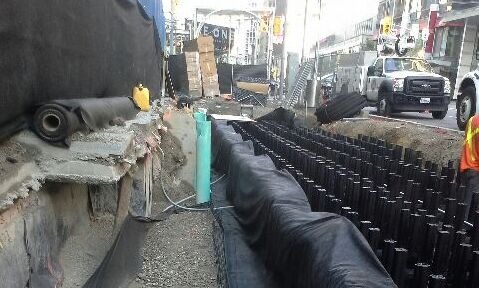
There are several successful Silva Cell projects that began as a street repair initiative and, with municipalities recognizing the opportunity, evolved into a more ambitious green space revitalization scheme. Below are some examples of these projects.
Broadway Avenue (Winnipeg, Manitoba)
Aurora Avenue (Shoreline, Washington)
Lakeshore Road (Oakville, Ontario)
Fost Saskatchewan Streetscapes (Fort Saskatchewan, Alberta)
Johnston Road (White Rock, British Columbia)
Bloor Street (Toronto, Ontario)
Build More Value Into the Street
Forward-thinking municipalities understand that street reconstruction is not just a maintenance obligation. It is a chance to make the public right-of-way work harder for the community.
A single reconstruction project can support utility renewal, canopy expansion, climate resilience, stormwater management, pedestrian comfort, public realm improvement, and neighborhood revitalization. But those benefits are much easier to achieve when they are planned together from the beginning. Since we are rebuilding this street, what else can it do?
The answer may be more shade. It may be better stormwater performance. It may be a more walkable downtown corridor. It may be a healthier urban forest. In many cases, it can be all of those things at once.
Street reconstruction is one of the rare moments when municipalities can open the ground, rethink the corridor, and build long-term environmental value into the public realm. With thoughtful planning and the right green infrastructure systems, a necessary repair can become something much bigger: a greener, more resilient, more welcoming street for the entire community.

Leave Your Comment