Quotes

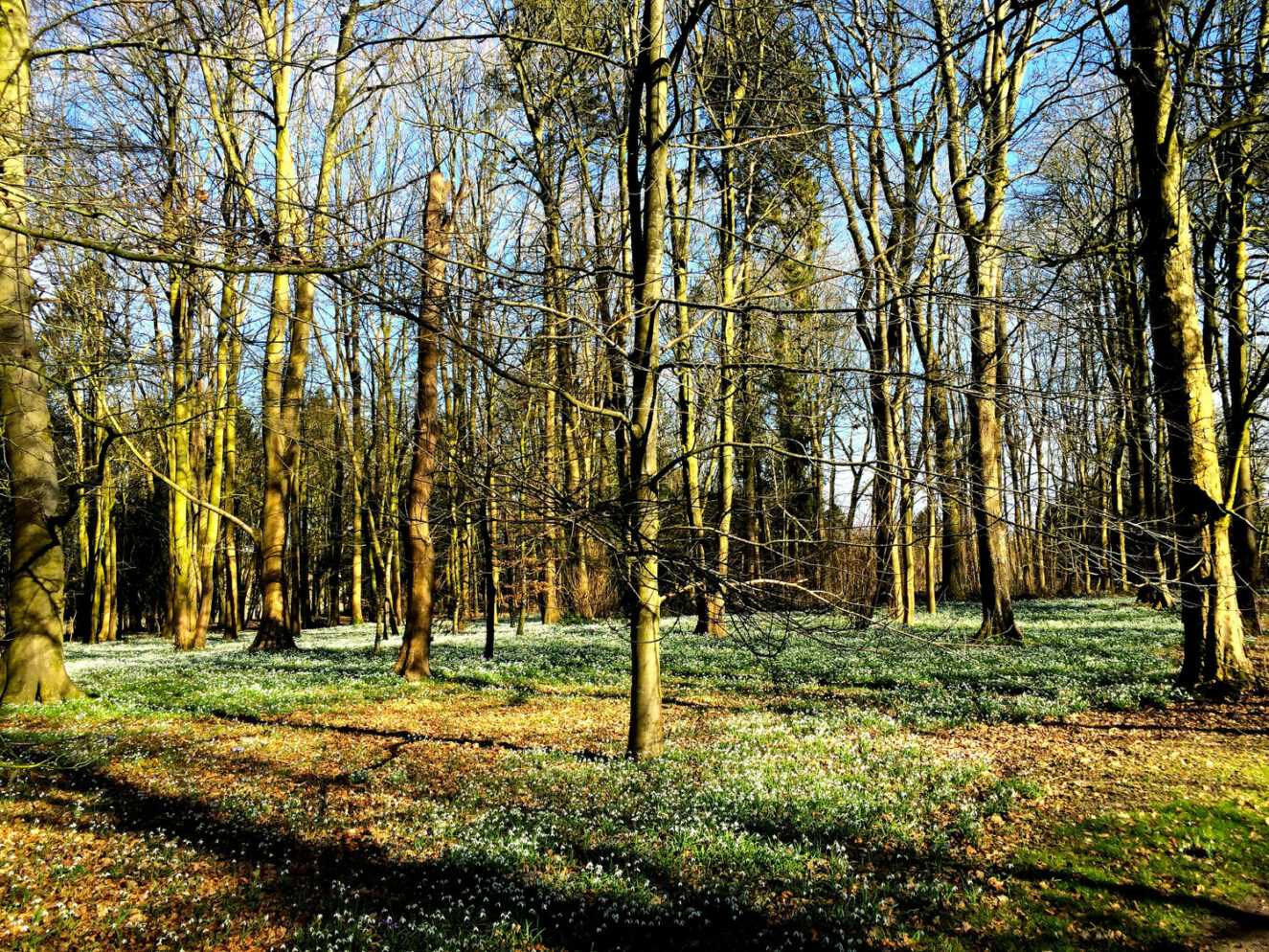
Shades of Green: The Hidden Carbon Cost of Tree Planting and Care

When you work with trees for a living, it’s easy to feel good about your impact on the environment. After all, trees provide us so many benefits including controlling stormwater runoff, reducing urban temperatures and sequestering carbon. However, there is a carbon footprint involved in their production, planting, pruning and ultimate removal. Trees play the… More

Read Article

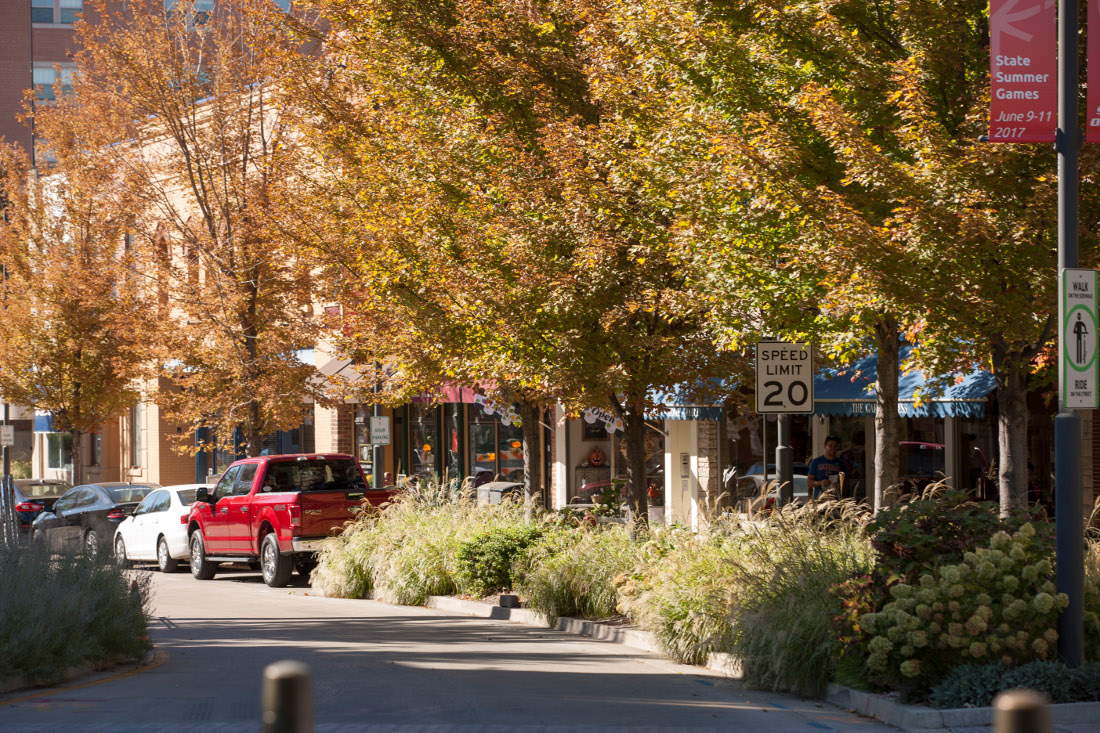
Where Should We Plant Urban Trees?

Cities are generally both warmer and more polluted than non-urban areas, as paved surfaces absorb heat, leading to increased energy consumption, and vehicle and human activity produces waste and airborne particulate matter. These have huge negative consequences for human health, but a dense urban tree canopy can help reduce these risks. The role trees play… More

Read Article

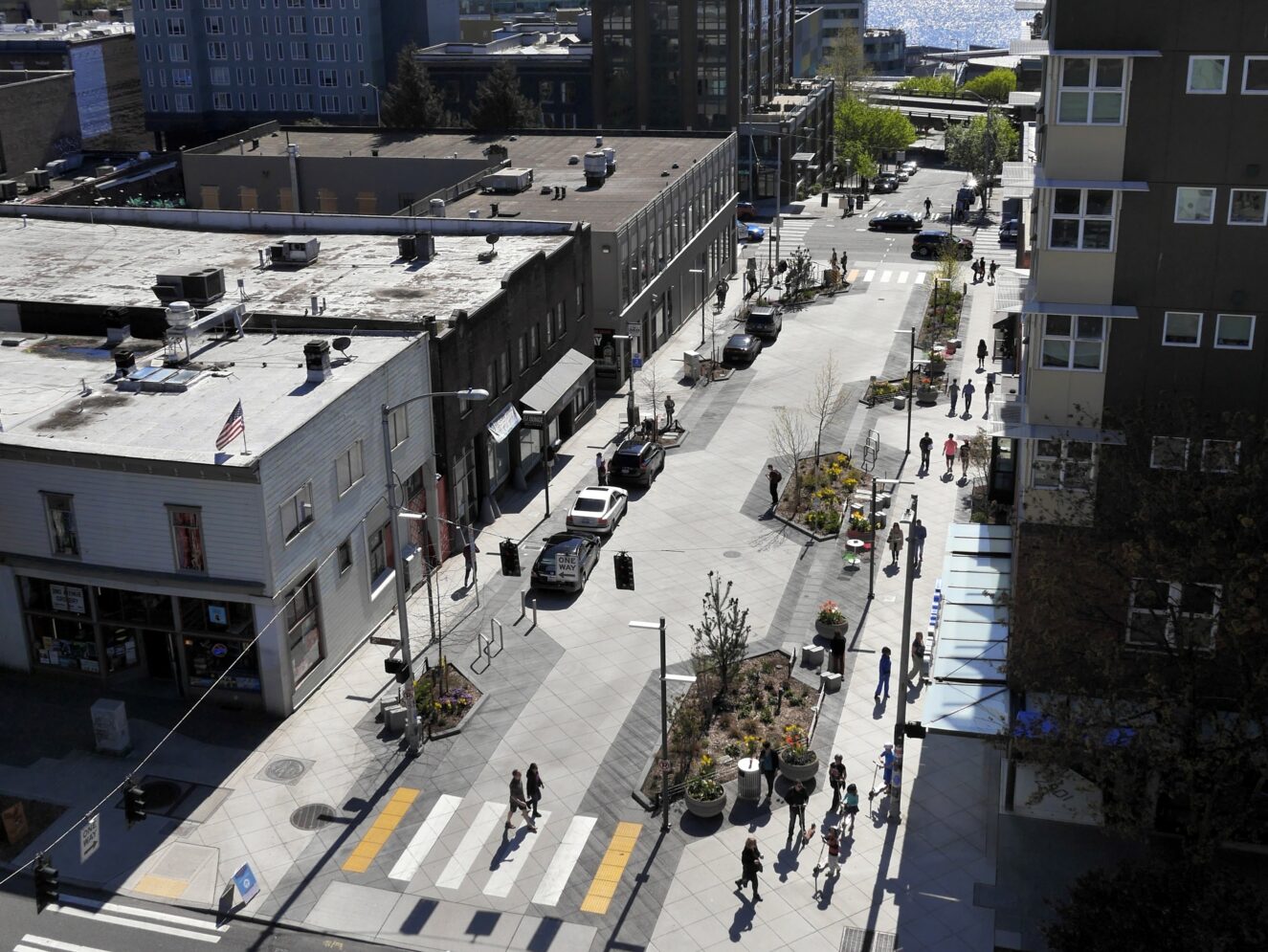
Seattle street

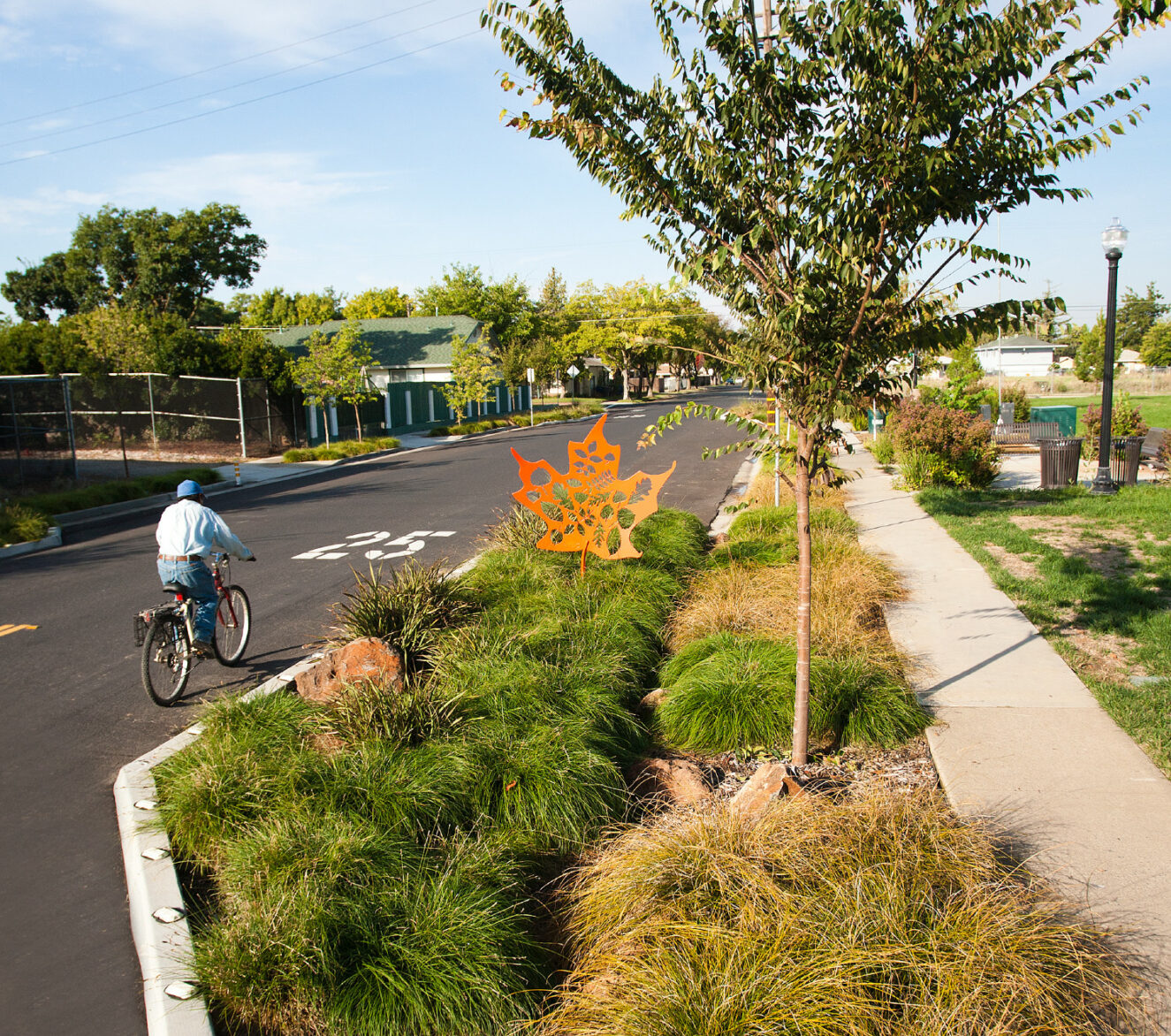
All About NACTO’s Urban Street Stormwater Guide

The National Association of City Transportation Officials (NACTO) is a coalition of America’s largest cities committed to building safe, sustainable transportation systems and active cities through better street design and transportation policy. NACTO has established itself as a leader in changing the way our streets operate for people regardless of transportation choice and has assembled… More

Read Article

How to Talk About Low Impact Development

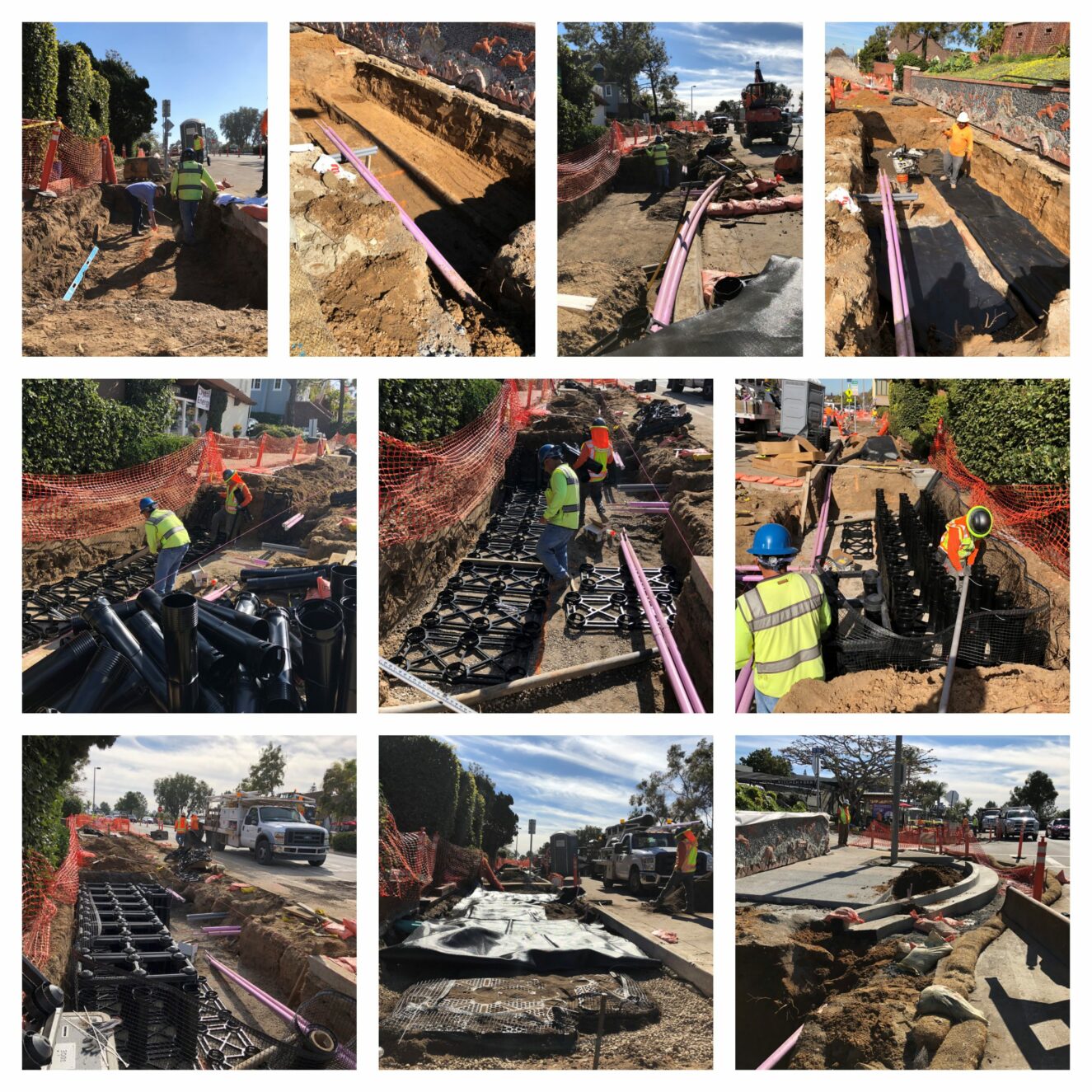
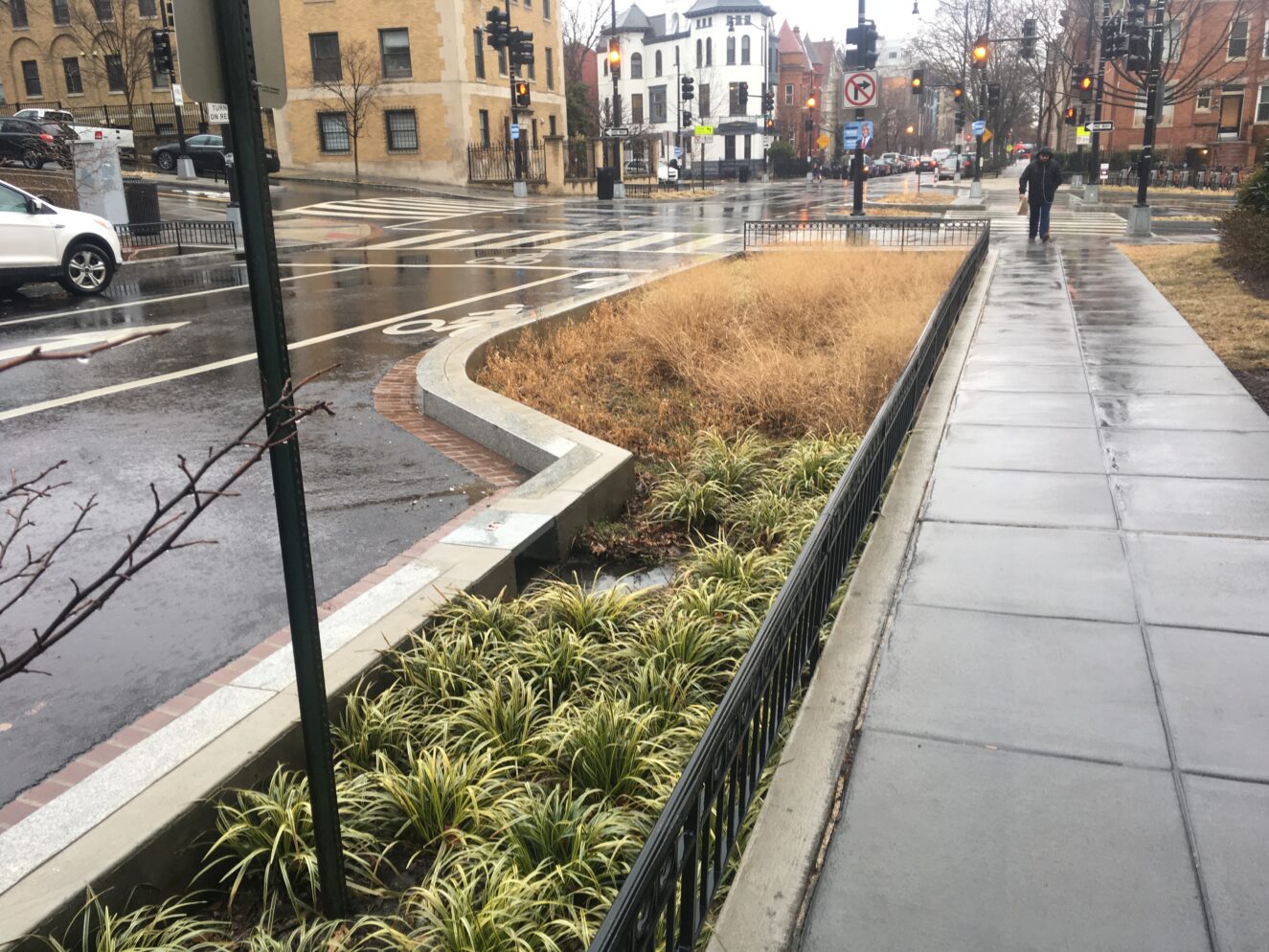
Historically, the work of stormwater engineers has involved capturing rainwater and conveying the flows offsite as quickly as possible. This approach led to the development of a vast system of large, centralized treatment facilities handling millions of gallons of stormwater annually – a very efficient, but not very environmentally-minded solution.

Read Article

Urban Soundscapes: Creating Quiet Spaces in a Roaring City

The sounds of the city are adored by some as a source of energy and excitement – the hustle and bustle of people crowding the sidewalks accented by cars and buses whooshing past. Dogs bark, people shout, music plays from a window, and somewhere (hopefully in the distance) a siren wails. These noises are as… More

Read Article

LID Design Considerations for an Uncertain Climate Future

Historically, the best way to plan for future storms has been to look at the past. Significant effort has been put into to developing long-term rainfall records, and many of the most complex stormwater models are designed to run simulations that represent decades of rainfall data. But a changing climate means that storm patterns are… More

Read Article

Two New Tools for Planning a Healthy Urban Canopy

Trees are a vital part of urban communities, providing social, environmental, and economic benefits. However, the urban environment is a difficult one for most trees due to the added stresses of soil compaction and lack of available soil, among many other challenges. Once established, their success is often further complicated by infrastructure conflicts and maintenance… More

Read Article

Urban Soil Assessment and Reuse Part 2: Soil Assessment Methods

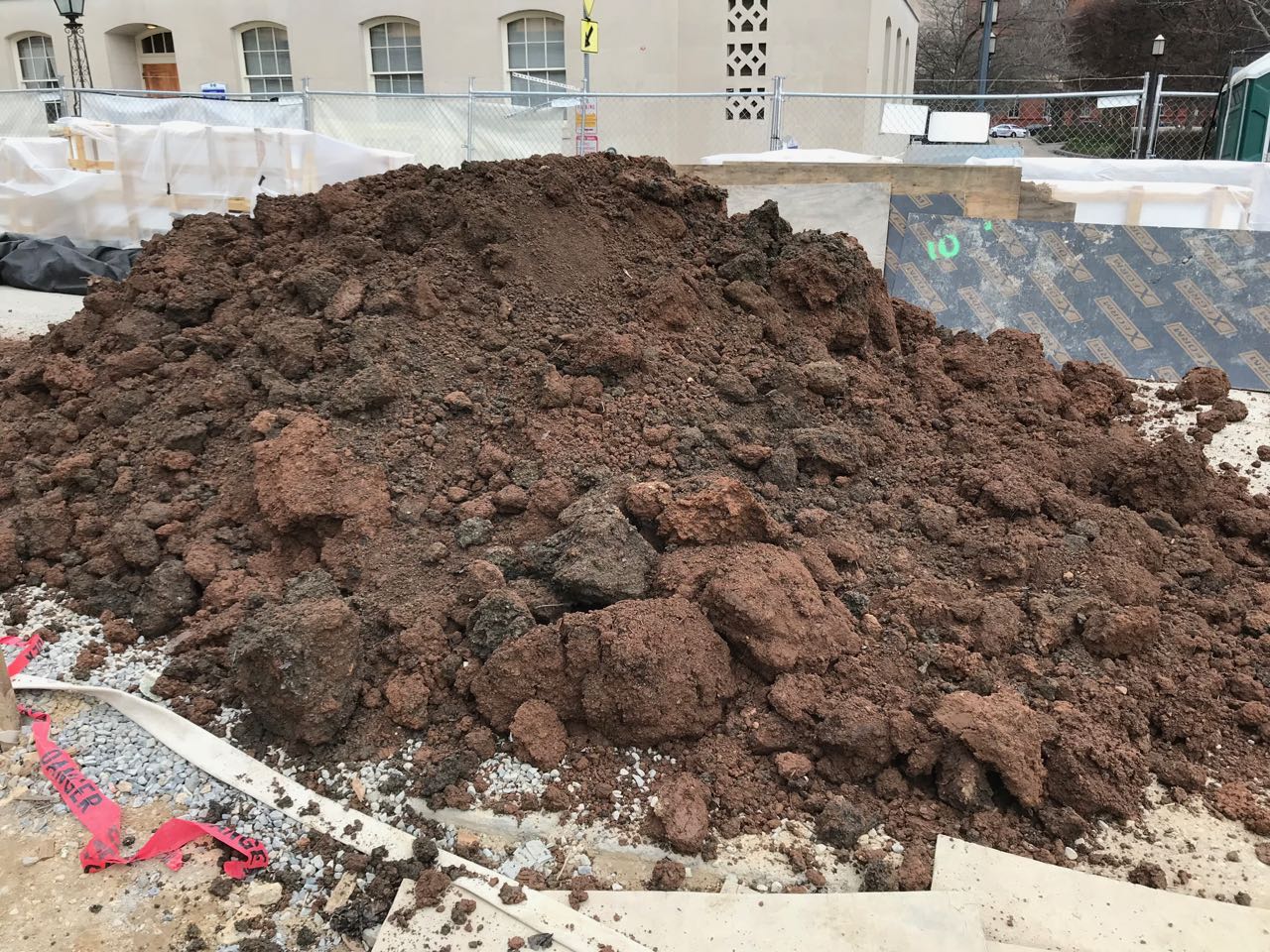
This is the second of a two-part series about urban soil assessment and reuse. Read part 1 here. While the types of questions one might ask about urban soils are somewhat similar to the questions an agricultural soil scientist might ask about farm soils, the methods to get information is dramatically different. Urban soils are… More

Read Article

Urban Soil Assessment and ReusePart 1: Soil Properties

A critical part of any landscape architect’s training is to learn how to understand the site conditions before starting the design. There is likely nothing more important than soil to the success of anything placed on it or planted into it. Urban sites, and thus urban soil, make up a large part of the work… More

Read Article

A multi-pronged approach to stormwater management

As engineers and landscape architects working in the built environment, we are increasingly faced with retrofit situations that must work with and around a variety of existing conditions and constraints. As stormwater requirements increase, requiring more storage or larger footprints, we must think creatively to locate and design systems to fit into an already constrained… More

Read Article

Key Concepts for Tree-Friendly Design

As a consulting arborist, I am often called upon to diagnose and help “sick” trees in a landscape. The primary cause of health problems for many of the trees I look at are related to impacts from a landscape renovation or home remodel. Despite best intentions, many bad things can happen to trees during development… More

Read Article

(Some) Nurseries Talk Back about Tree Root Quality

This summer we surveyed arborists and designers about the issues they encountered buying trees free from uncorrectable root defects. We published the results of that survey on this blog. To review: nursery-grown trees, especially those in containers, can have root defects such as girdling, circling and diving roots which contribute to tree health problems or… More

Read Article

Join Our Newsletter

Sign up to our newsletter to stay up-to-date on news, updates, and product information.

Explore our archives

Interested in a DeepRoot product? Get a quote today.

Request a Quote [email protected]

Tel: 415 781 9700
Toll Free: 800 458 7668
Toll Free: 800 277 7668
Fax: 415 781 0191


Sign up to our newsletter to stay up-to-date on news, updates, and product information.