Introducing Remarkable Objects
Last month I wrote about the news that DeepRoot was starting a podcast called “Remarkable Objects” about the intersection of nature and urban design. Today, I’m thrilled to to share that our trailer is out.
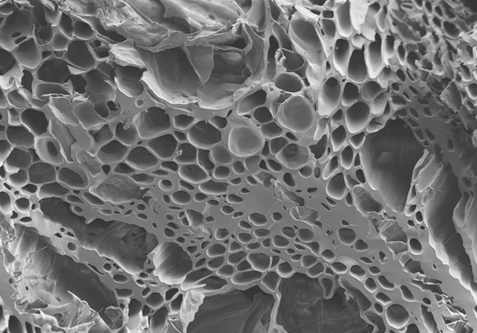
This post was originally published on the Soils Matter blog. One of soil’s many important functions is to act like a sponge. As nature’s blanket, soil soaks up water that falls as rain or melts from snow and ice. Soil not only stores water, it also helps to filter out pollutants such as nutrients, bacteria,… More
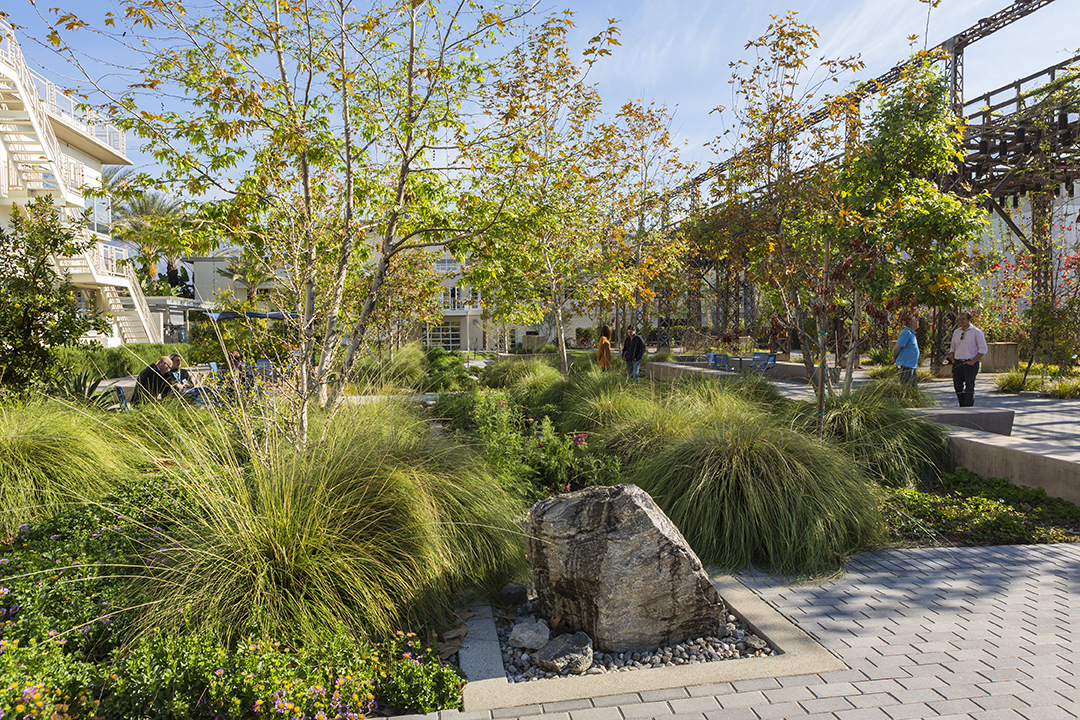
In my role as director of the Sustainable SITES Initiative® at the Lady Bird Johnson Wildflower Center, I observed the development of numerous projects. Too often, the landscape is seen as an afterthought – something to be altered and shaped once elements like buildings and roads are finalized. Rather than be an afterthought, though, how… More
Green Streets have become a more common feature of the urban landscape in cities and towns across the United States and abroad. And for good reason: they provide substantial value in community aesthetics, redevelopment, livability and environmental compliance. You may know from personal experience or previous blog posts that water resources and ecological engineers use… More
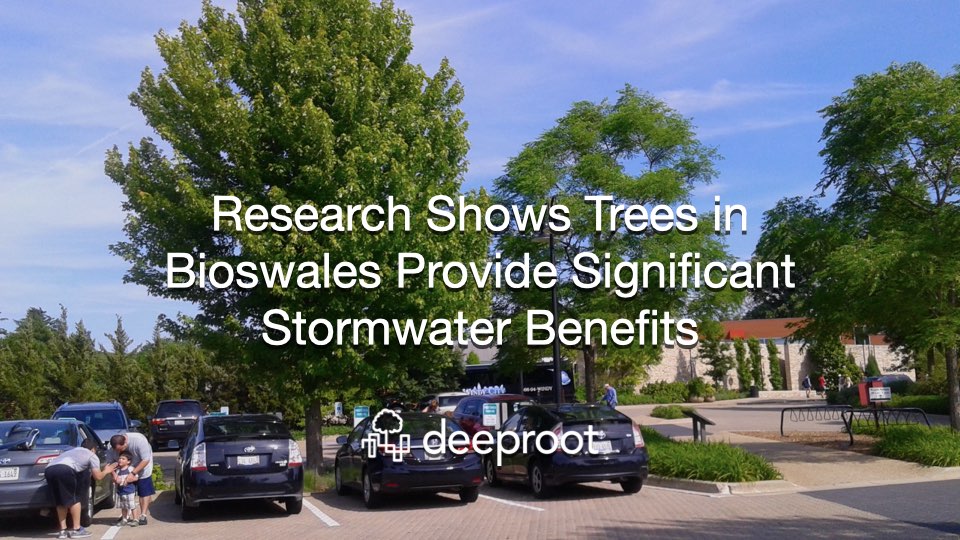
When we talk about the value of urban trees and soils as a stormwater management tool, the contribution of the trees is often considered secondary. Soil will, of course, store significant amounts of runoff all on its own. However, new research at the Morton Arboretum in Lisle, IL, has found that trees actually provided the largest… More
Imagine you own a small vacant plot, less than a quarter acre, in a quiet residential neighborhood. Its slope and wedge shape makes it less than ideal for development, but it is not serving any purpose sitting vacant behind a fence. It gets plenty of sun exposure, has a nutrient-rich clay soil and is located… More
As landscape architects, we are often under the impression that because we love urban trees and seeing new trees planted, that everyone around us will love these plantings as well. Some city dwellers do in fact welcome trees with great excitement, but others may see the trees as an intrusion of their private space or… More
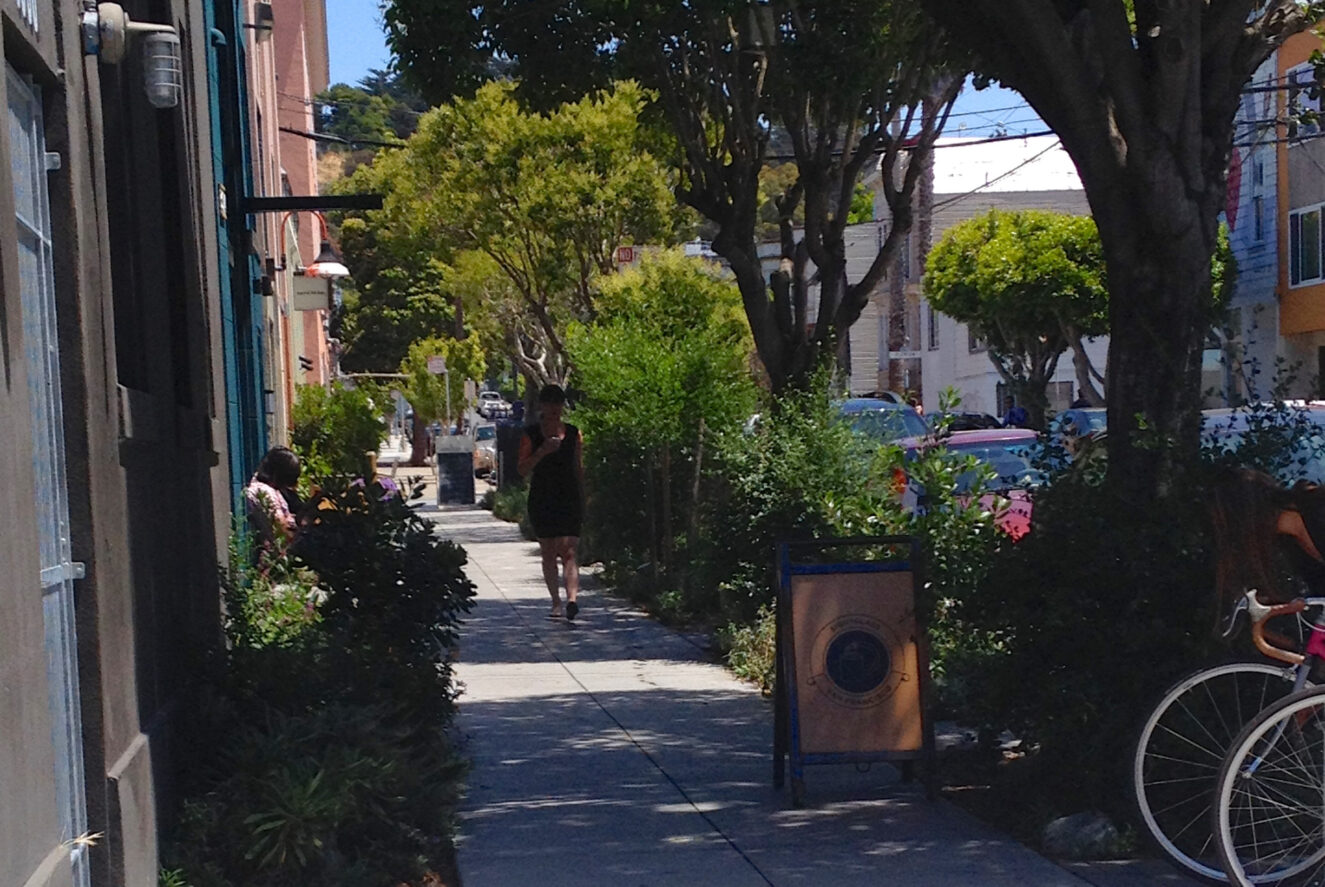
Using green streets for stormwater management has become popular in many cities because they allow engineers, planners, and municipal officials to integrate water quality and regulatory compliance with pedestrian access, safety, traffic calming, multimodal transportation, enhanced community livability, urban greening, aesthetic improvements, and better air quality. The multifaceted benefits of Greet Streets are undeniable, but… More
If you are a regular reader of this blog, then you know we’ve had a recent spate of articles about biochard – from its history, to a discussion of possible applications and controversies, to a question-and-answer following a recent webinar about what designers need to know about the product. Because of the tremendous potential for… More
Healthy trees can grow anywhere, including cities, provided they receive enough water, soil, and sunlight. Research shows that vigorous urban trees keep people healthier, cool cities in summer, warm homes in winter, help kids learn better, decrease car accident rates, raise real estate values, and decrease crime dramatically. Even with these myriad benefits, recent heat… More
I am lucky enough to live within a (long) walk of my job. I often take advantage of this proximity, walking home along an unattractive stretch of San Francisco’s Market Street. Alternately teeming with tourists or occupied by people who are generally down-and-out, this three mile stretch between work and home leaves a lot to be desired…. More
It’s no secret to anyone who buys trees that nursery-grown trees, especially container-grown stock, are very prone to root defects such as circling, diving and girdling roots. With the right know-how and attention, some of these defects can be corrected at planting time. However, once roots have become woody, many defects are uncorrectable – and… More