

Heat-related illness is real, but heat often acts as a trigger rather than the final diagnosis. In a study of 74.2 million U.S. adults, extreme heat was associated with a 7.8% higher relative risk of emergency-department visits from any cause, 30.4% higher risk for renal disease, and 7.9% higher risk for mental disorders. Read the BMJ study.
Urban trees can directly reduce this exposure. Their canopies shade people and pavement, while evapotranspiration helps cool the surrounding environment. Some research measures trees specifically; other studies examine “green space,” which may include parks, lawns, shrubs, and trees. But the larger pattern is clear: Trees can play a significant role in improving community health in tangible ways, making adequate soil volume and long-term tree support important investments in public health.
Heat-Related Health Risks
When the body cannot release heat effectively, its cooling systems begin to strain. The consequences extend far beyond discomfort:
- Heat Illness: Heat cramps, heat exhaustion, dehydration, and potentially fatal heat stroke.
- Kidney Disease: Dehydration and reduced blood flow can contribute to acute kidney injury and other renal emergencies.
- Cardiovascular Disease: Heat increases demand on the heart and can aggravate heart failure, arrhythmias, heart attacks, and strokes.
- Respiratory and Metabolic Illness: Hot days can worsen air quality and complicate asthma, diabetes, and other chronic conditions.
- Mental Health and Injury: Heat is associated with more mental-health emergencies, impaired judgment, poor sleep, falls, and workplace injuries.
Risk is especially high for older adults, infants, pregnant people, outdoor workers, people with chronic illnesses, unhoused residents, and anyone without reliable access to cooling. Certain medications can also interfere with sweating, hydration, circulation, or temperature regulation. See the CDC’s clinical overview of heat.
Mitigating Risk: The Power of Trees, Shade, and Greenery
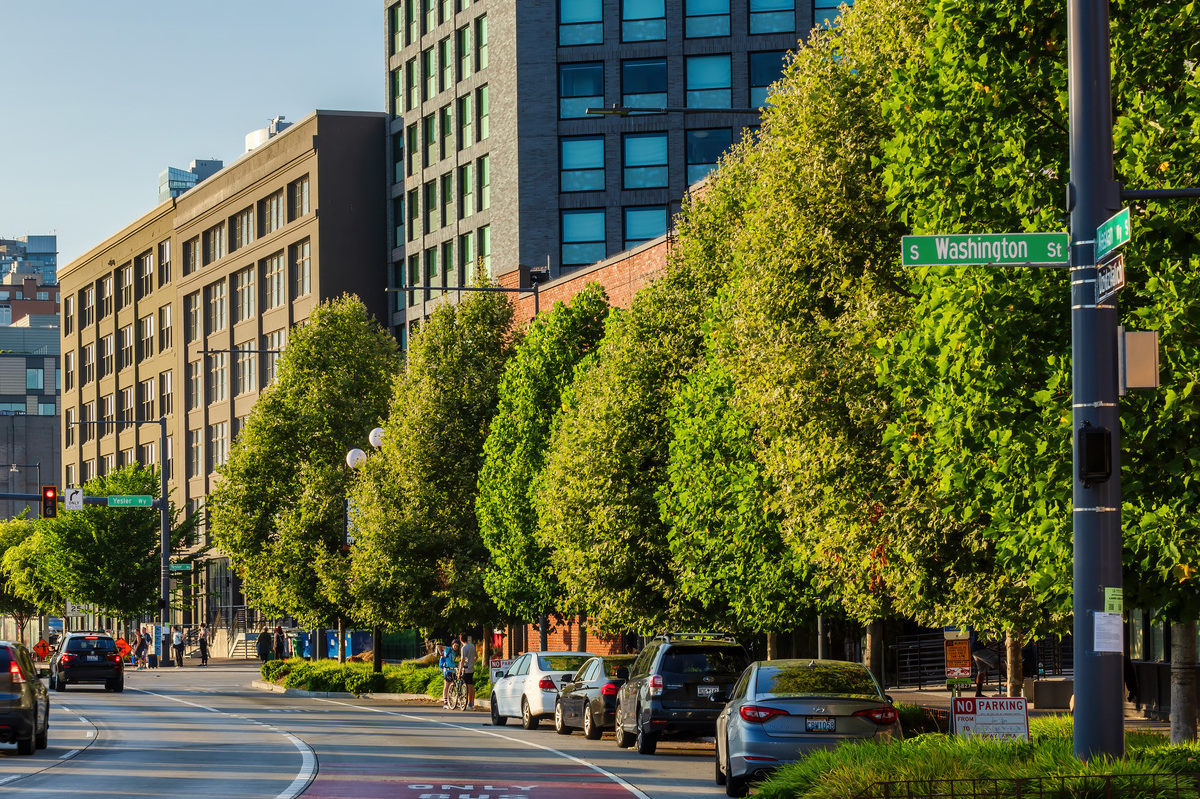
Tree canopy functions as neighborhood-scale health infrastructure. Shade reduces radiant heat where people walk, wait, work, and play — and a mature canopy can also lower surrounding temperatures. Research is beginning to quantify what that cooling may mean for illness and mortality.
Statistic What the Research Found
12-47% Fewer ER Visits Modeled reduction in excess ER visits during four Los Angeles heat events under combined high-tree-cover and high-albedo scenarios.
2,644 Preventable Deaths Premature summer deaths that could potentially be prevented if 93 European cities reached 30% tree-canopy cover.
2.4x Reduction in Heat Stress Fewer days with strong heat stress at tree-lined unpaved sites compared with paved, treeless sites in Ghent, Belgium.
Up to 8.8°C mPET Reduction in peak physiological heat stress attributed to canopy during very hot conditions in the Ghent study. mPET measures human heat stress, not air temperature.
Sources for the figures above:
Los Angeles tree cover study, European urban canopy health assessment, national U.S. urban canopy modeling, Ghent tree canopy study.
These estimates use different methods, locations, and assumptions, so they should not be added together or treated as universal predictions. Collectively, however, they show that reducing heat exposure through canopy can translate into fewer illnesses and premature deaths.
Additional Benefits of Trees
Cooling is only part of the health story. Research has also identified several other related benefits of trees that are unrelated specifically to heat:
- Cardiovascular Health: Among 88,788 women followed in the Nurses’ Health Study, greater visibility of trees near the home was associated with a 4% lower incidence of cardiovascular disease per interquartile increase. Grass and other low vegetation did not show the same association.
- Air Quality: Pollution removal by U.S. trees and forests was estimated to prevent more than 850 deaths and 670,000 cases of acute respiratory symptoms in 2010.
- Inflammation: Preliminary Green Heart Louisville results found 13–20% lower levels of hsCRP, an inflammation biomarker, among residents of neighborhoods where trees and shrubs were added.
- Cardiometabolic Health: A meta-analysis associated green-space access with 19% lower odds of hypertension, 21% lower odds of diabetes, and 17% lower odds of obesity.
- Mental Health and Activity: Meta-analyses associate greener surroundings with lower odds of depression and anxiety and approximately 6% higher odds of physical activity.
Sources for the figures above:
NIH nurses health study, U.S. Forest Department air quality study, University of Louisville Green Heart project, Springer Nature cardiometabolic study, NIH green space and psychiatric disorder study, Science Direct green space and physical activity study.
These tree-specific studies and broader green-space research point in the same direction: greener, cooler neighborhoods can support healthier lives through multiple pathways.
Where Canopy Grows Matters
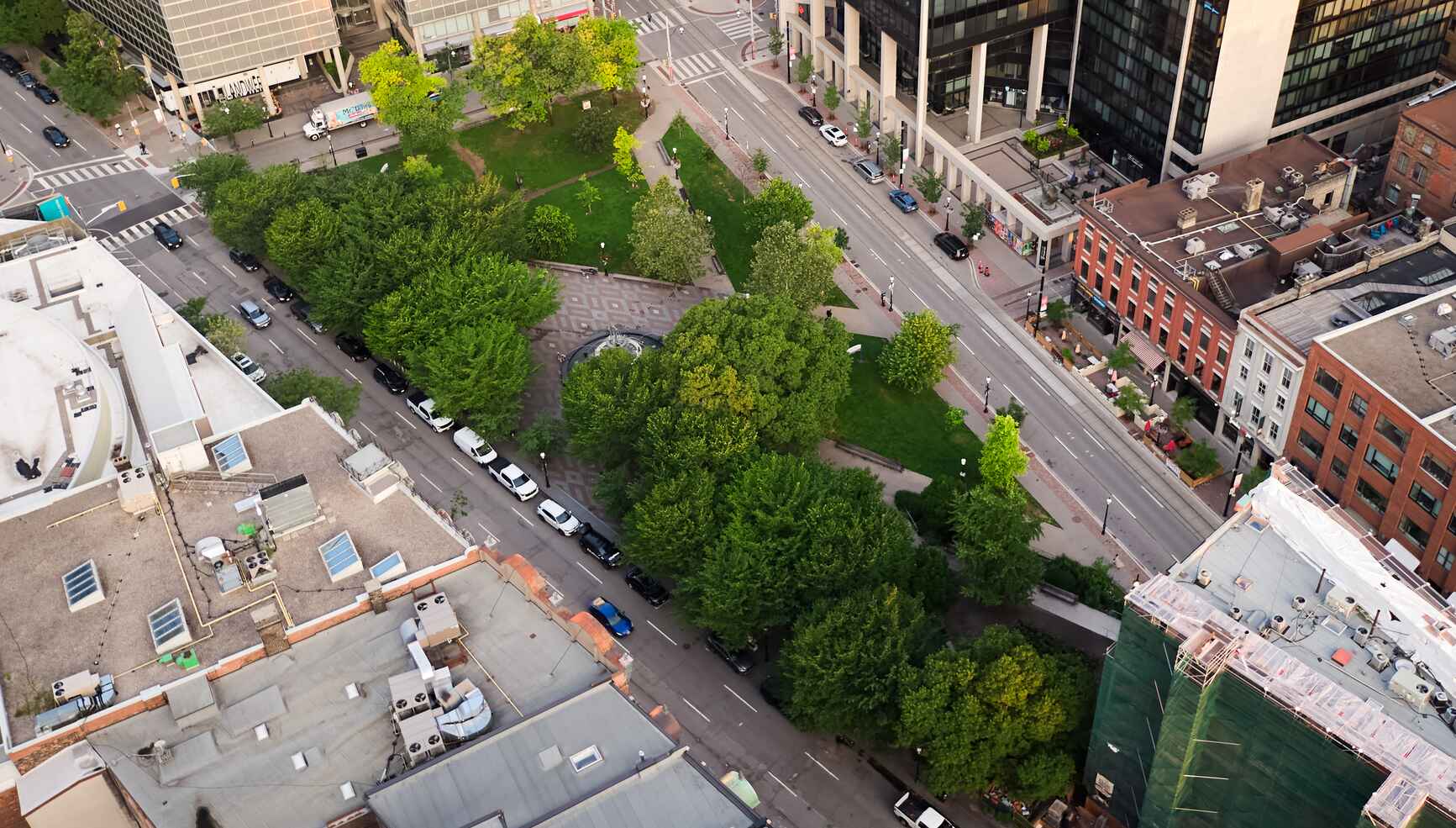
A citywide canopy average can hide significant neighborhood disparities. Across 5,723 U.S. communities, low-income blocks averaged 15.2% less tree cover and summer surface temperatures 1.5°C hotter than high-income blocks. A separate national analysis found majority–people-of-color neighborhoods had 11 percentage points less canopy and 14 percentage points more impervious surface than majority-white neighborhoods. This is more than an aesthetic imbalance: it creates unequal exposure to heat and unequal access to the health benefits of shade. Canopy investments should therefore prioritize the hottest and least-shaded streets — working with residents to support community health without contributing to displacement.
Conclusion
Trees mean far more to a city than beautification. They can reduce thermal stress, help prevent heat-related illness, filter air pollution, encourage outdoor activity, and support physical and mental health. In practical terms, a shady sidewalk, bus stop, playground, or front porch can become a form of preventive health infrastructure.
Those benefits depend on trees surviving long enough to develop substantial canopies. Planting numbers alone are not enough: urban trees need water, care, and adequate volumes of healthy, uncompacted soil. The Silva Cell system is one way to provide that growing space beneath pavement while maintaining the hardscape above. Supporting the root zone helps trees reach maturity — and helps communities receive the health benefits those mature trees can provide for decades.
Special thanks to Owen Wiseman of NatureQuant, Vivek Shandas of CAPA Strategies, and Kimberly Garza of ATLAS Lab Inc. for inspiring this article through their presentation, “Mapping Heat, Health & Equity: Landscape Tools for Climate Resilience,” at the ASLA Conference on Landscape Architecture in Los Angeles.

Leave Your Comment