Soil volume is the foundation of every successful Silva Cell project. Before budget, layout, or cell count, you need a soil volume target—the number that shapes everything that follows. Why does soil volume come first?
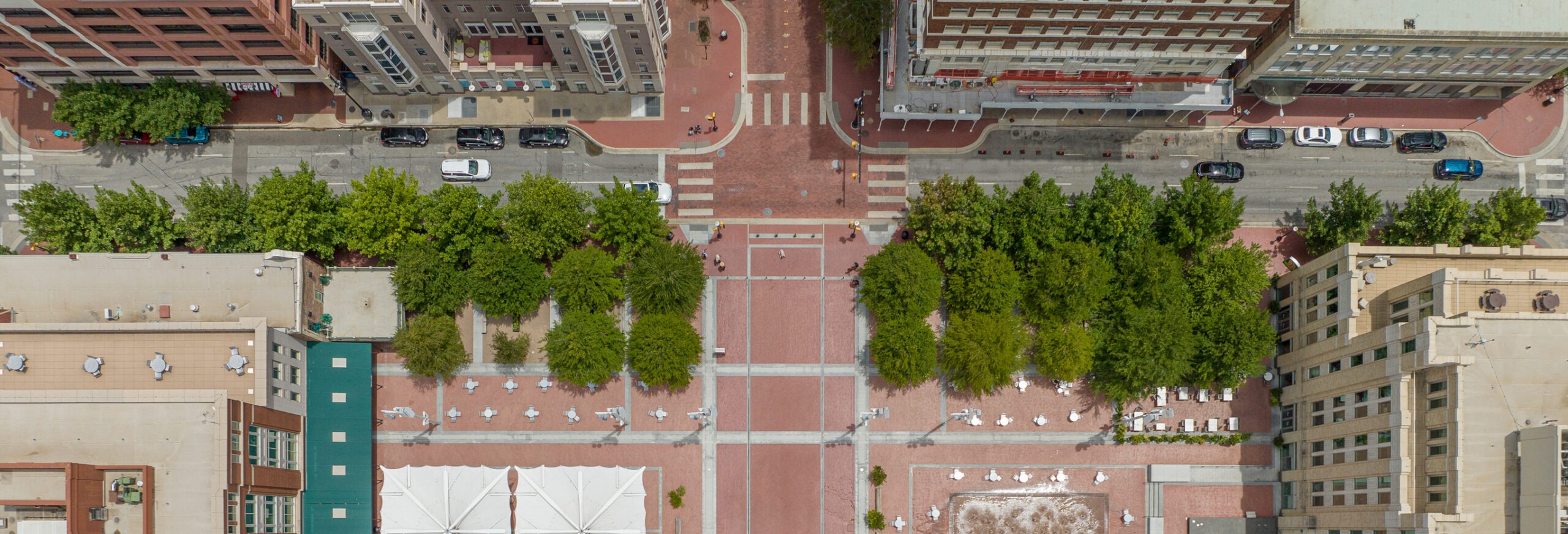
When customers ask, “How much does a Silva Cell system cost?” our immediate follow-up question is: “Do you have a soil volume target?” Once we know your goals, we can begin to determine scope, number and depth of cells, and a basic layout framework.
In cities, the biggest limiting factor for tree health is access to enough lightly compacted soil volume. Trees
need adequate soil to grow roots and build stable, healthy structure. More soil equals:
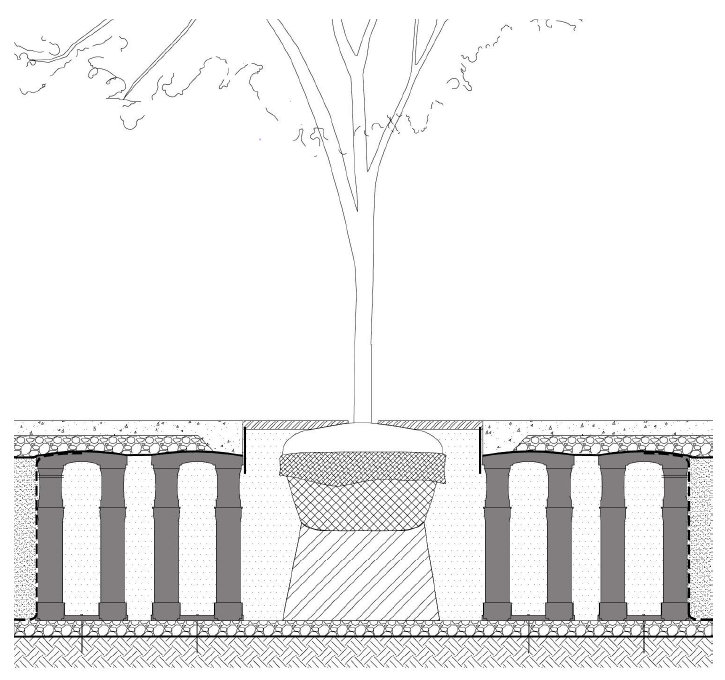
There is no one perfect number for every project — but research gives us a highly dependable range. A strong goal for large, healthy urban trees is around 1,000 cubic feet per tree. But we also know not every site can reach that. Space, geometry, and budgets vary. Ultimately, aim high and remember:
Municipalities across North America are setting soil volume standards to ensure healthy street trees. These standards — some recommended, some required — vary, though most fall into the same 600-1,000 cubic foot range already mentioned.
| CITY | SOIL VOLUME STANDARD |
|---|---|
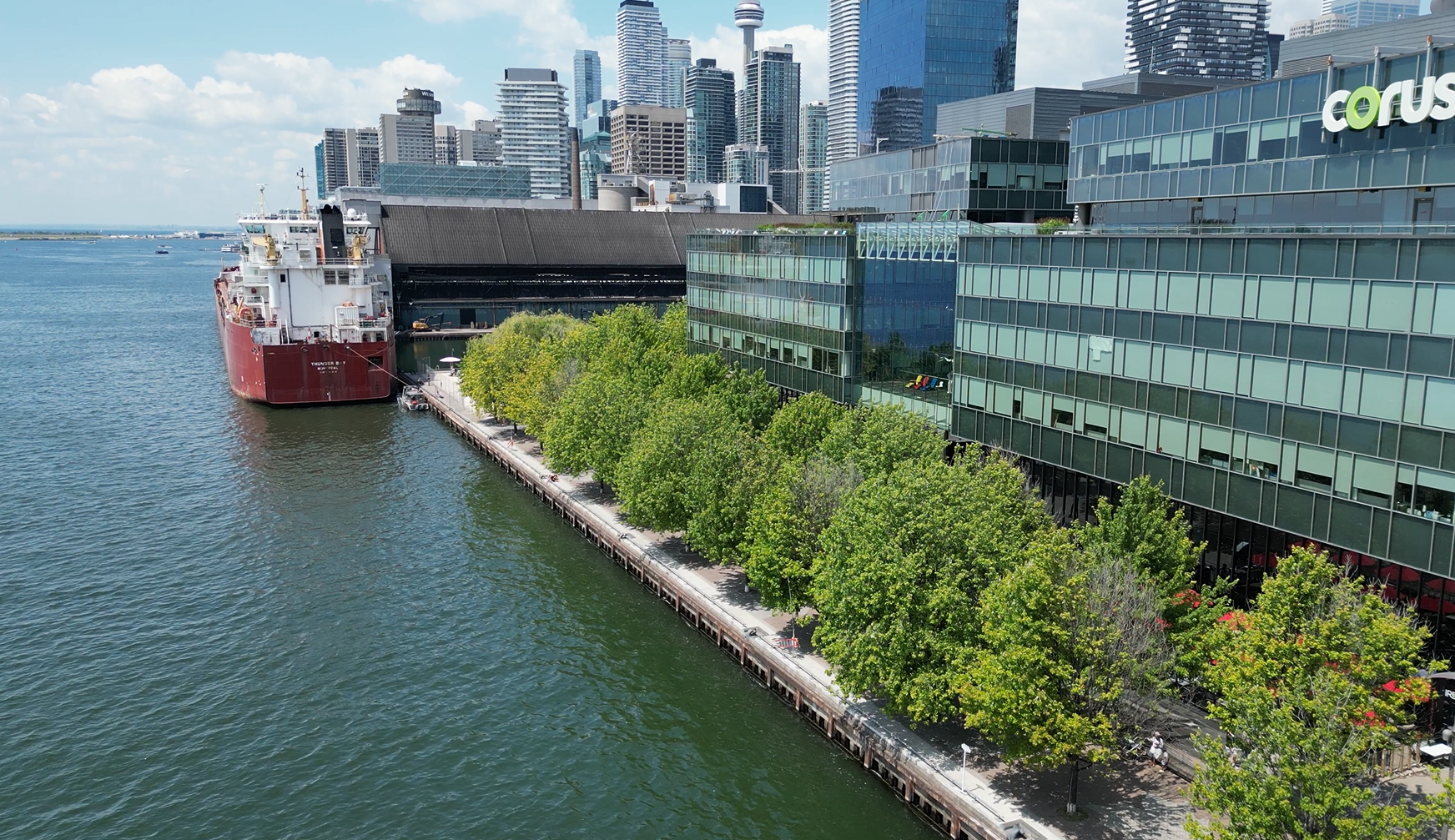
| Toronto | 30 cubic meters (1,060 cubic feet) |
| Minneapolis | 800 cubic feet |
| Denver | 750-1,000 cubic feet |
| Washington DC | 600 cubic feet |
CLICK HERE FOR A MORE COMPLETE LIST OF CITY SOIL VOLUME STANDARDS
Now that you’ve seen the principles and the benchmarks, here’s a helpful way to think about setting your own goals:
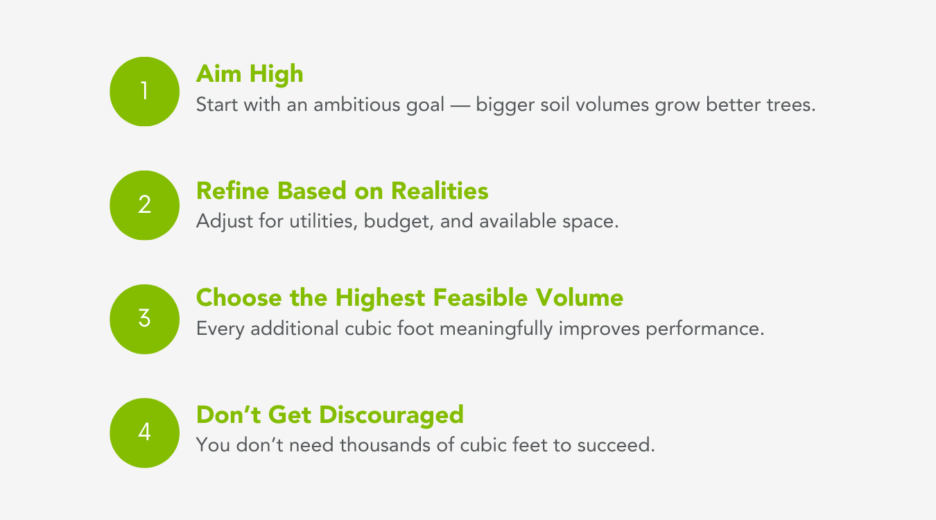
We aren’t after perfection right away. Just get it started. Setting a soil volume target is an inexact process. There’s no single “right” answer. What matters is identifying a goal early so we can model options and help you get the most soil volume possible within your constraints. We work with designers every day to: Settle on an achievable soil volume number, align budgets and site constraints with tree performance, maximize space and soil efficiency, navigate tight footprints and accommodate utilities.
Bring us your project’s basic plan — we’ll help hone the details. With a clear soil volume target and a flexible design process, together we can grow healthier, longer-lived trees and more resilient urban places.
 Soil. Stormwater. Sustainable Infrastructure.

Request a Quote [email protected]
Tel: 415 781 9700
Toll Free: 800 458 7668
Toll Free: 800 277 7668
Fax: 415 781 0191
