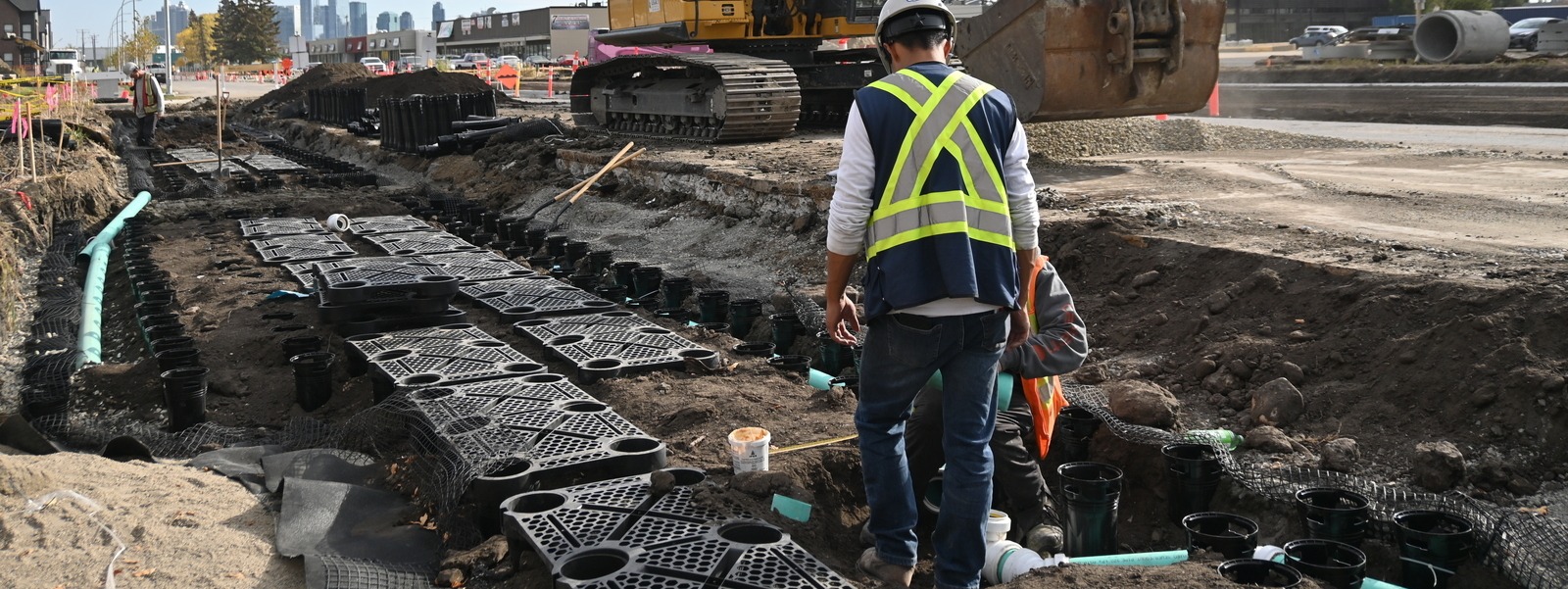
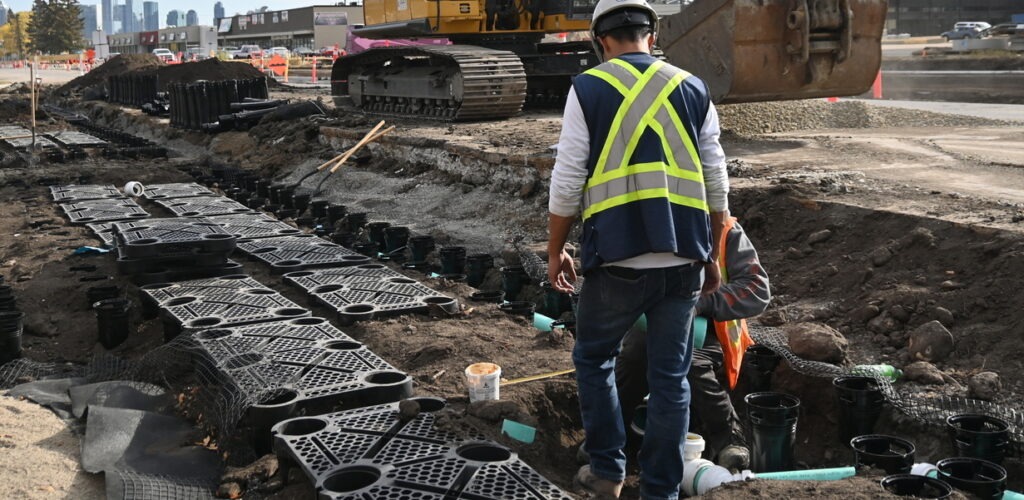
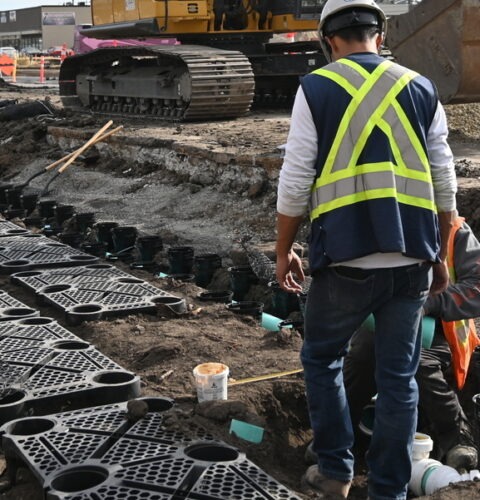
Silva Cells are standalone units, not an inflexible network of connected cells. This maximizes site flexibility, utility integration, and layout options. The system does not need to be locked into a rigid connected network. Silva Cells can be arranged up and down, left and right, along a curve, and through irregular project layouts — giving designers more freedom before installation and installers more flexibility during construction.
When a site gets complicated, standalone design gives the project team more ways to keep moving.
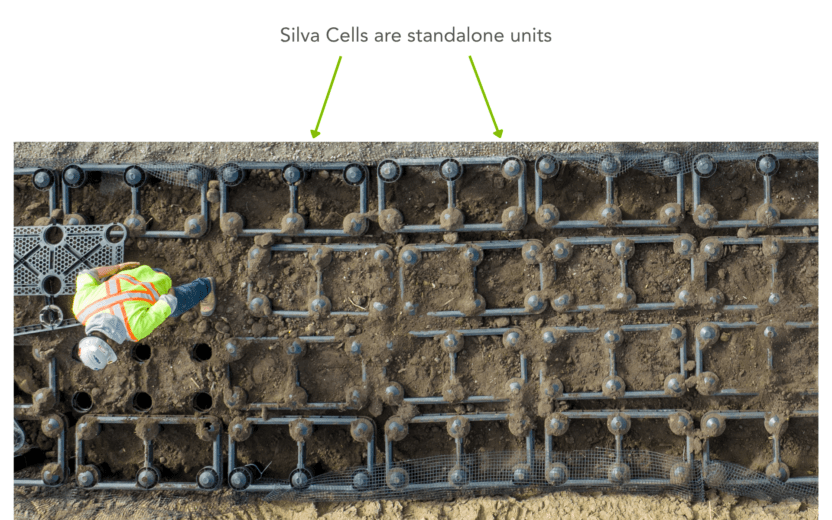
This animation shows how Silva Cells’ independent structure and spacing between units unlock design flexibility in a way that connected systems simply can’t match.
Silva Cells’ standalone design gives project teams flexibility from the earliest layout stages through active construction. On paper, that means designers are not limited to a rigid connected grid. Silva Cells can be arranged to follow curves, respond to irregular project footprints, coordinate around known utilities, and support the aboveground design intent without forcing unnecessary compromises below the pavement.
That same flexibility becomes even more valuable in the field. Projects often uncover unforeseen subsurface obstacles once excavation begins — utilities, aged infrastructure, or conflicts that were not fully captured in the drawings. Because Silva Cells are independent units, our team can help adjust the layout around these conditions in real time, giving installers more options to keep the project moving while preserving the broader soil volume and tree-support goals.
Silva Cell gives project teams more ways to solve for complexity before installation begins — and more ways to adapt when the site reveals something unexpected.
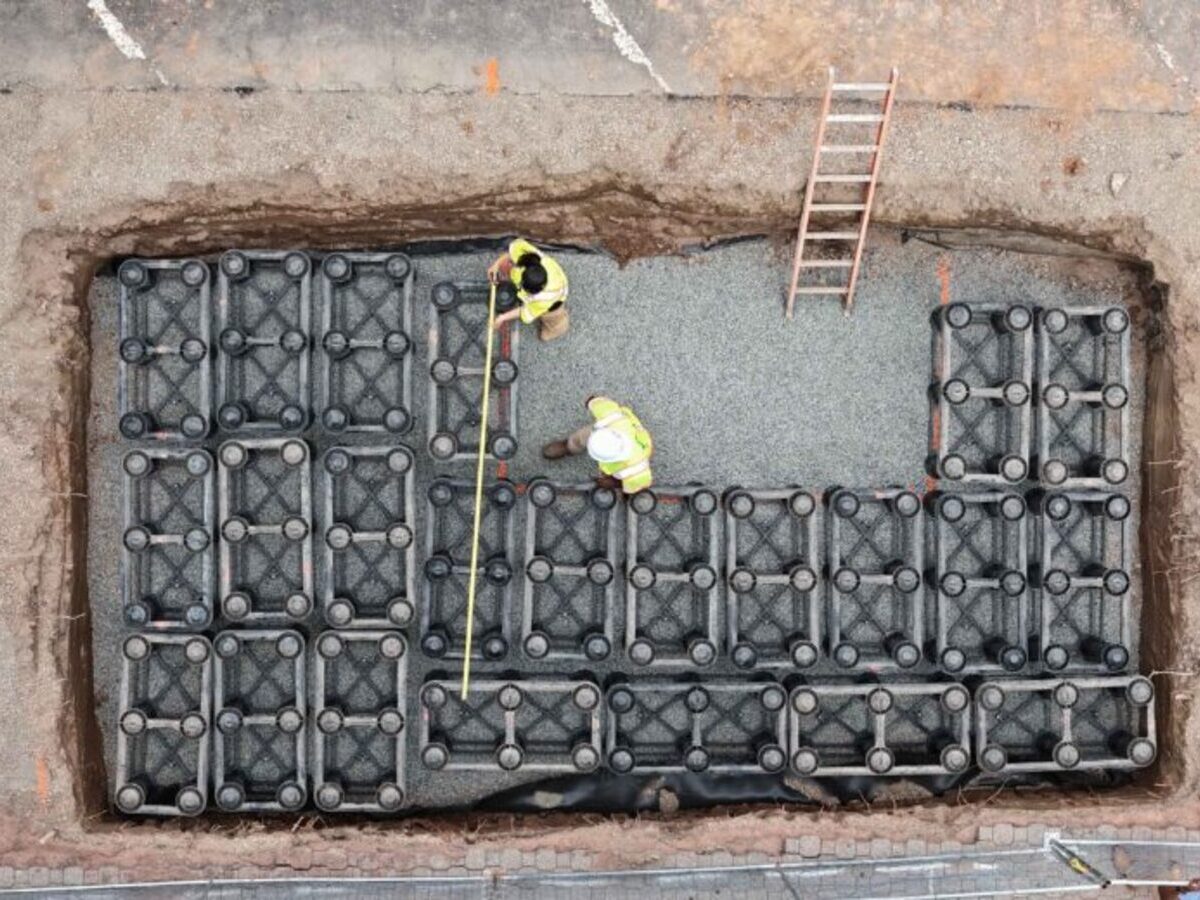
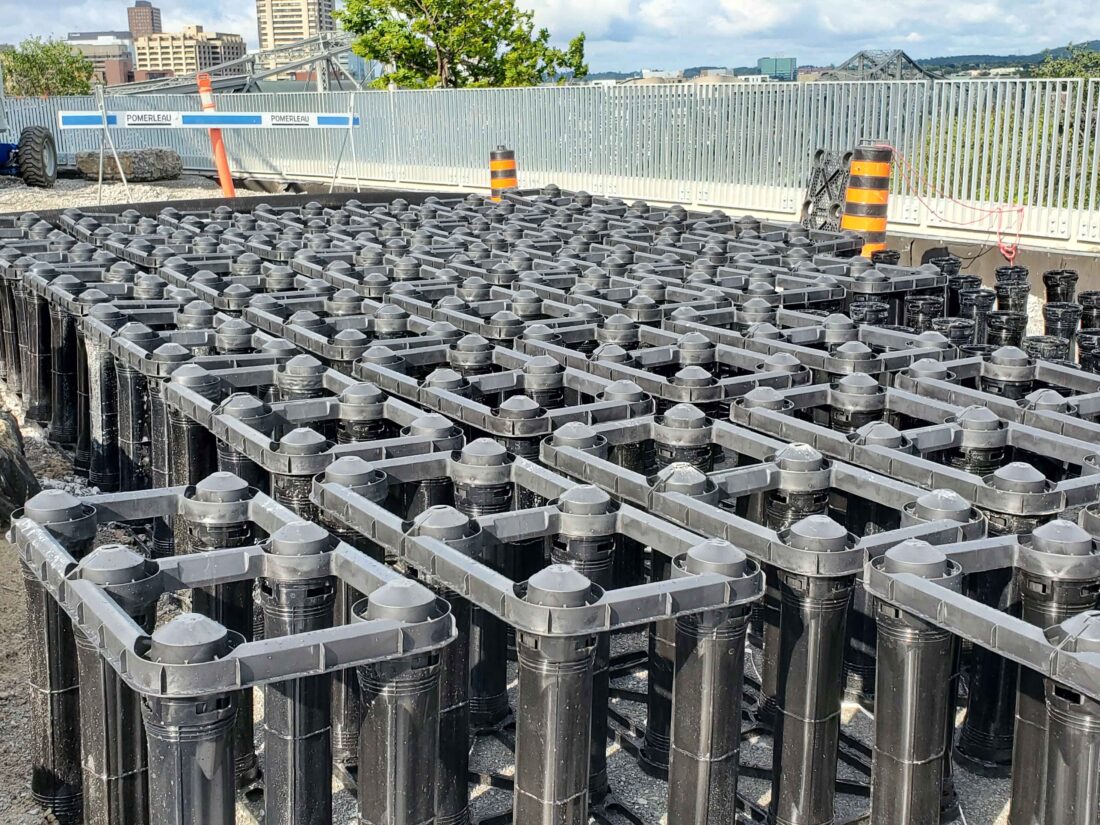
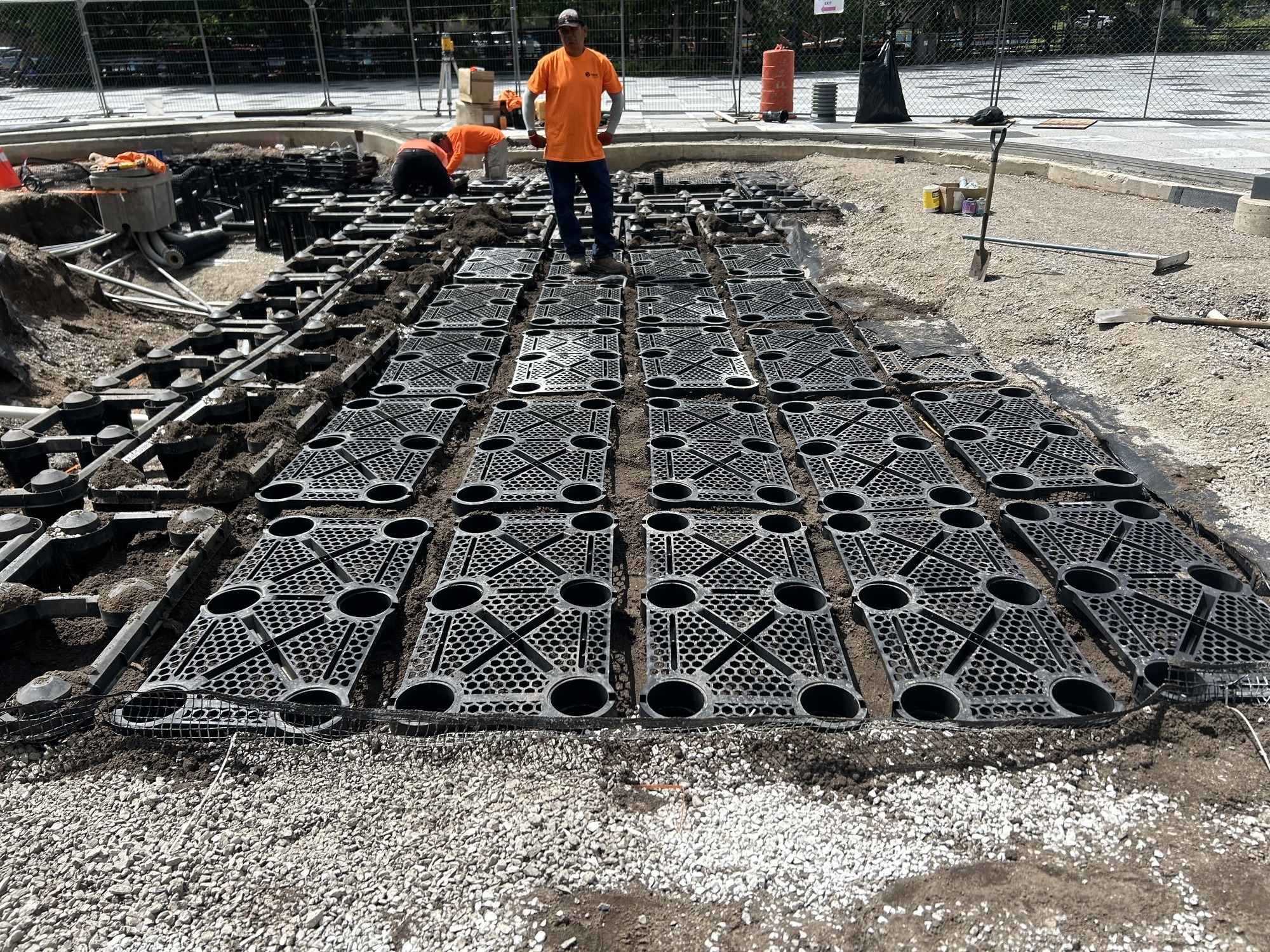
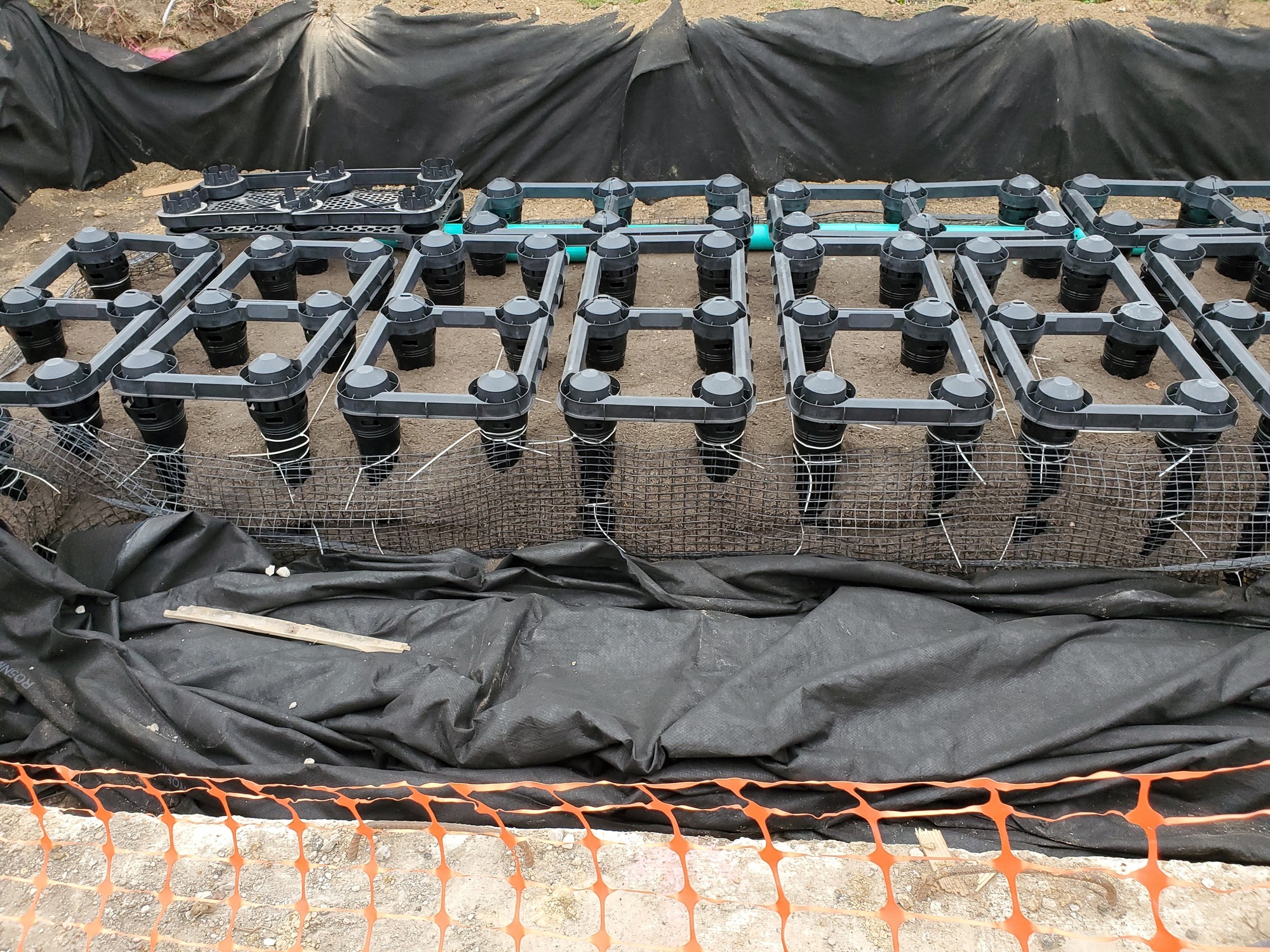
Silva Cells’ standalone design creates more layout freedom, but that flexibility does not come at the expense of structural performance. Each unit is engineered to function independently, allowing the system to adapt to complex site conditions while still supporting the loads required beneath entryways, sidewalks, plazas, and other paved urban spaces.
This is what makes the design so powerful: project teams can work around curves, irregular layouts, utilities, and field constraints without relying on a rigid connected grid for strength. Silva Cell has been independently tested to meet required loading standards, giving designers and engineers confidence that flexibility and performance can work together. The system adapts to the site while still doing the structural job it was designed to do.
-Michael James, DeepRoot Canada

-Steve Chatwin-Grindey, DeepRoot Urban Solutions

 Soil. Stormwater. Sustainable Infrastructure.

Request a Quote [email protected]
Tel: 415 781 9700
Toll Free: 800 458 7668
Toll Free: 800 277 7668
Fax: 415 781 0191

 en
en en
en