
 en
en en
enDesigned, Not Distributed
Created in-house with purpose, Marino Cell reflects decades of experience and forward-thinking innovation
DeepRoot pioneered the soil cell market nearly two decades ago with the Silva Cell, creating a foundation for healthier cities by merging tree growth and stormwater management in a single system. That experience wasn’t just valuable — it was indispensable in shaping the Marino Cell. With Silva Cell, we learned how to balance surface loads above with open void space below. Now, we’ve pivoted that knowledge into a stormwater-first solution designed for today’s urban challenges.
At the heart of this innovation is Graham Ray, DeepRoot’s CEO, who continues the legacy of a family-run company built on urban sustainability. DeepRoot doesn’t outsource its thinking — we design in-house, drawing on decades of engineering and field experience. That commitment to internal innovation is what has enabled us to reimagine the future of stormwater management with the Marino Cell.
Unlike resellers or distributors, DeepRoot doesn’t market someone else’s invention — we design solutions ourselves. The Marino Cell reflects years of engineering research, consultant collaboration, and field experience. Every detail, from independent modularity to utility-line access on multiple levels, was intentionally developed by our in-house team. These innovations aren’t copy-and-paste features; they’re industry firsts, designed to give designers and cities tools no one else can provide.
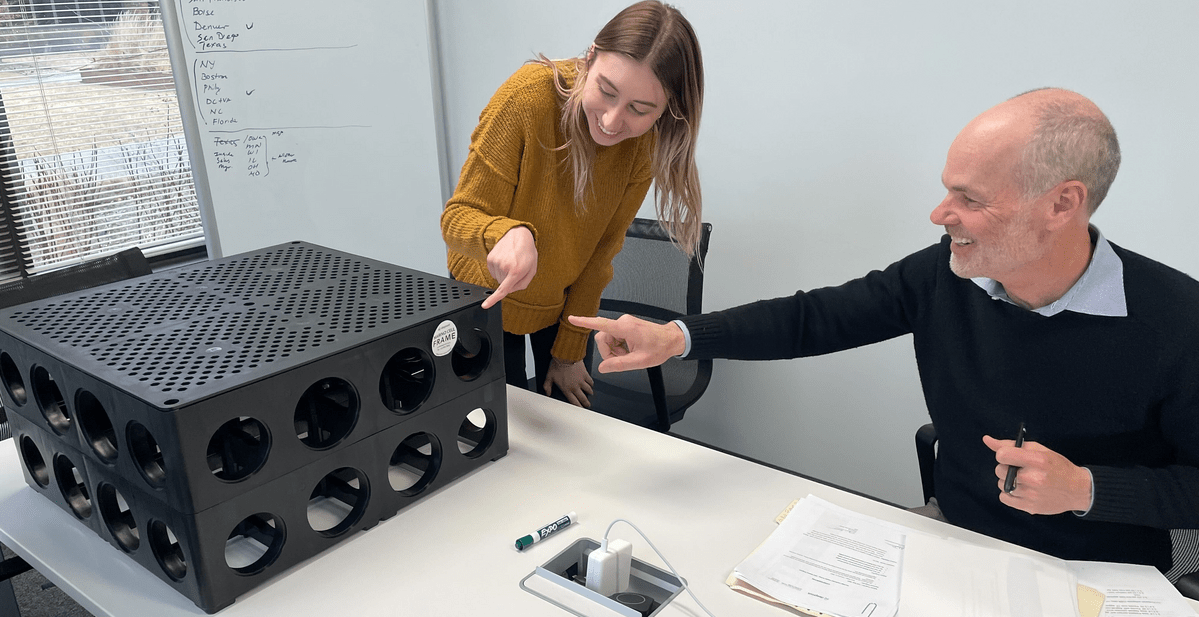
DeepRoot has always been more than a product company. We are designers, engineers, and advocates for greener cities. Marino Cell is the continuation of a mission we began with Silva Cell: to give cities flexible, future-ready infrastructure that blends human needs with ecological performance. Together, Marino Cell and Silva Cell provide unmatched versatility — stormwater and trees, designed to work side by side, in every context from streetscapes to small urban infill sites.
The Marino Cell wasn’t designed for profit — it was designed for resilience. Today’s cities are heavily paved, leaving little room for ecological function. By focusing on stormwater as the starting point, Marino Cell addresses one of the most pressing urban challenges: keeping water on site. It enables shallow, distributed, and cost-effective storage that traditional deep tanks cannot provide. The result is a tool that helps urban infill projects manage stormwater while also supporting trees and biodiversity.
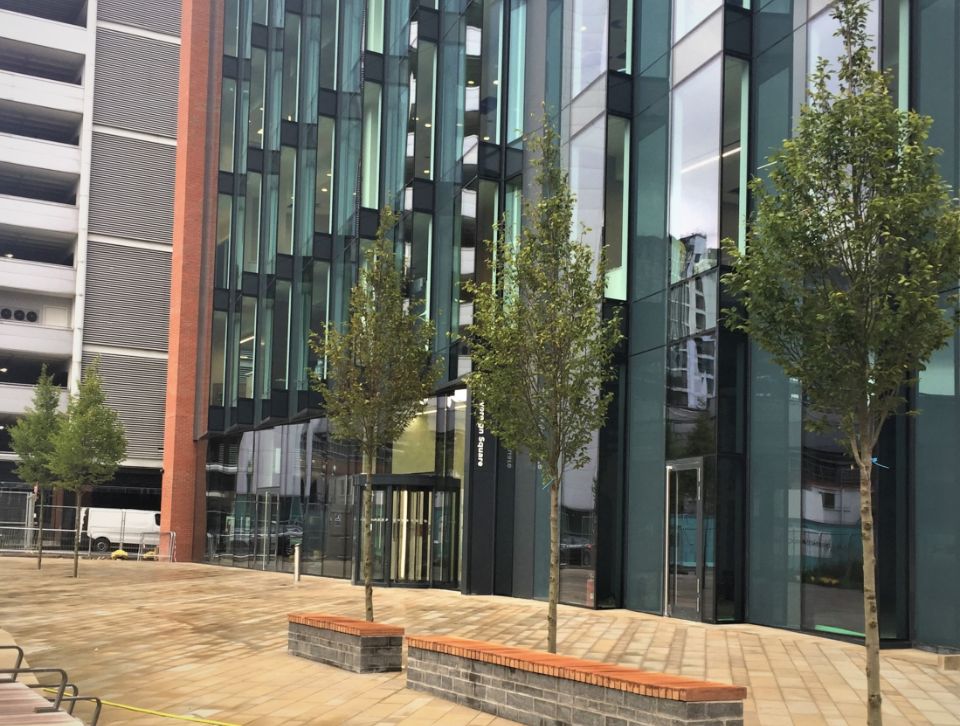
 Soil. Stormwater. Sustainable Infrastructure.

Request a Quote [email protected]
Tel: 415 781 9700
Toll Free: 800 458 7668
Toll Free: 800 277 7668
Fax: 415 781 0191