Early Silva Cell innovation helped transform a former industrial site into one of Vancouver’s greenest, most vibrant neighborhoods
— Margot Long, Principal, PWL Partnership
Number of Silva Cells: 7,000
Number of Trees: 80
Soil Volume: 1,982 m3 (70,000 ft3)
Project Designer: PWL Partnership
Installation: 2007-2009
Built to house athletes during the 2010 Winter Olympics, Vancouver’s Olympic Village was one of the city’s most ambitious developments — transforming a former industrial brownfield site on the edge of South East False Creek into a vibrant, LEED Platinum-certified waterfront neighborhood. Designed with long-term sustainability at its core, the neighborhood is now one of Vancouver’s most celebrated urban spaces.
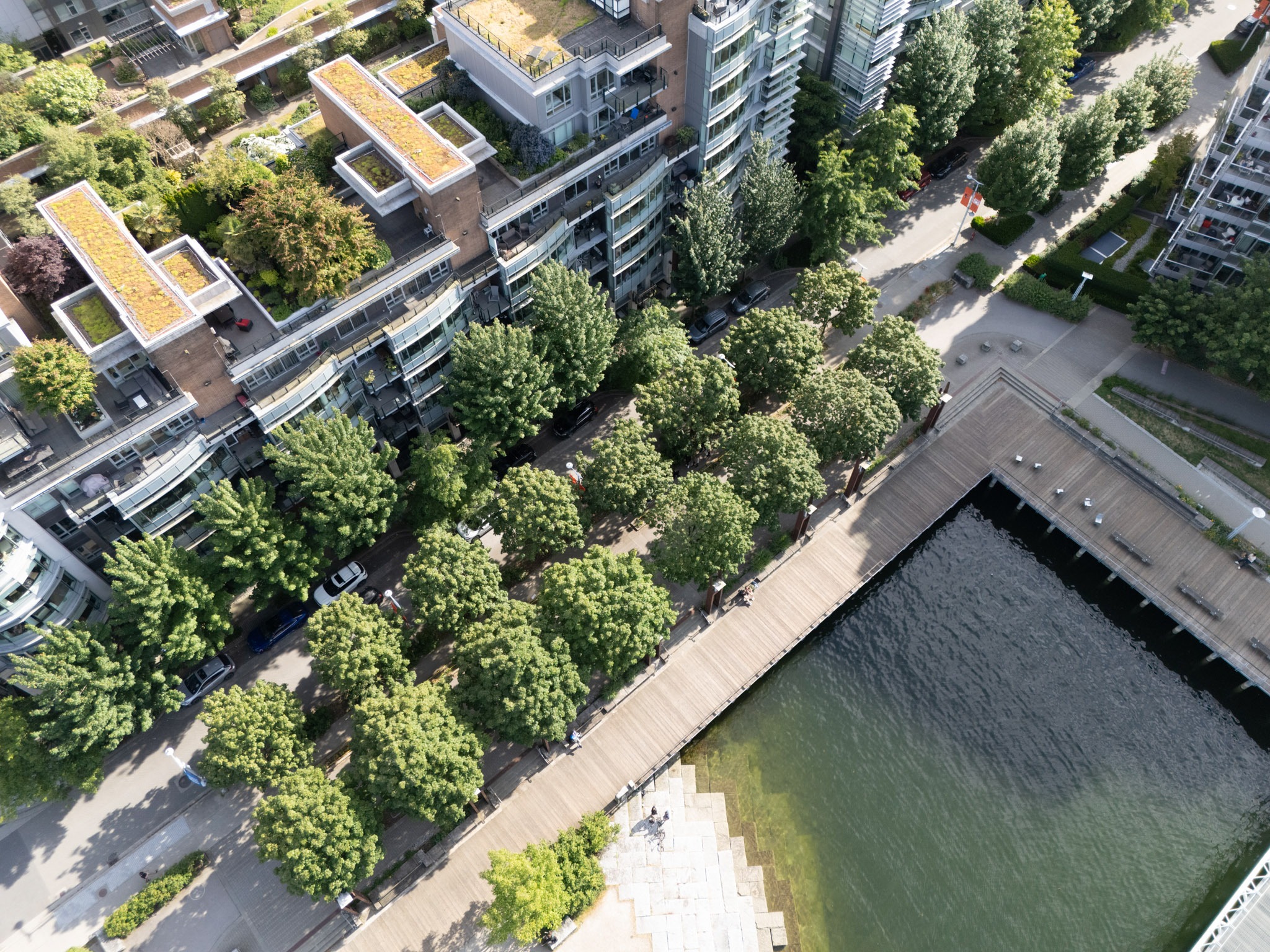
Led by landscape architects PWL Partnership, the streetscape design emphasized tree health, green infrastructure, and lasting public realm performance. Silva Cells — a relatively new technology at the time — were specified early in the design process to help achieve the project’s canopy and stormwater goals. PWL’s early adoption of the system was instrumental in delivering the lush, mature tree canopy that defines the neighborhood today. Completed in two phases between 2007 and 2009, the project included 7,000 Silva Cells and nearly 2,000 cubic meters (70,000 ft³) of soil volume beneath sidewalks and promenades.
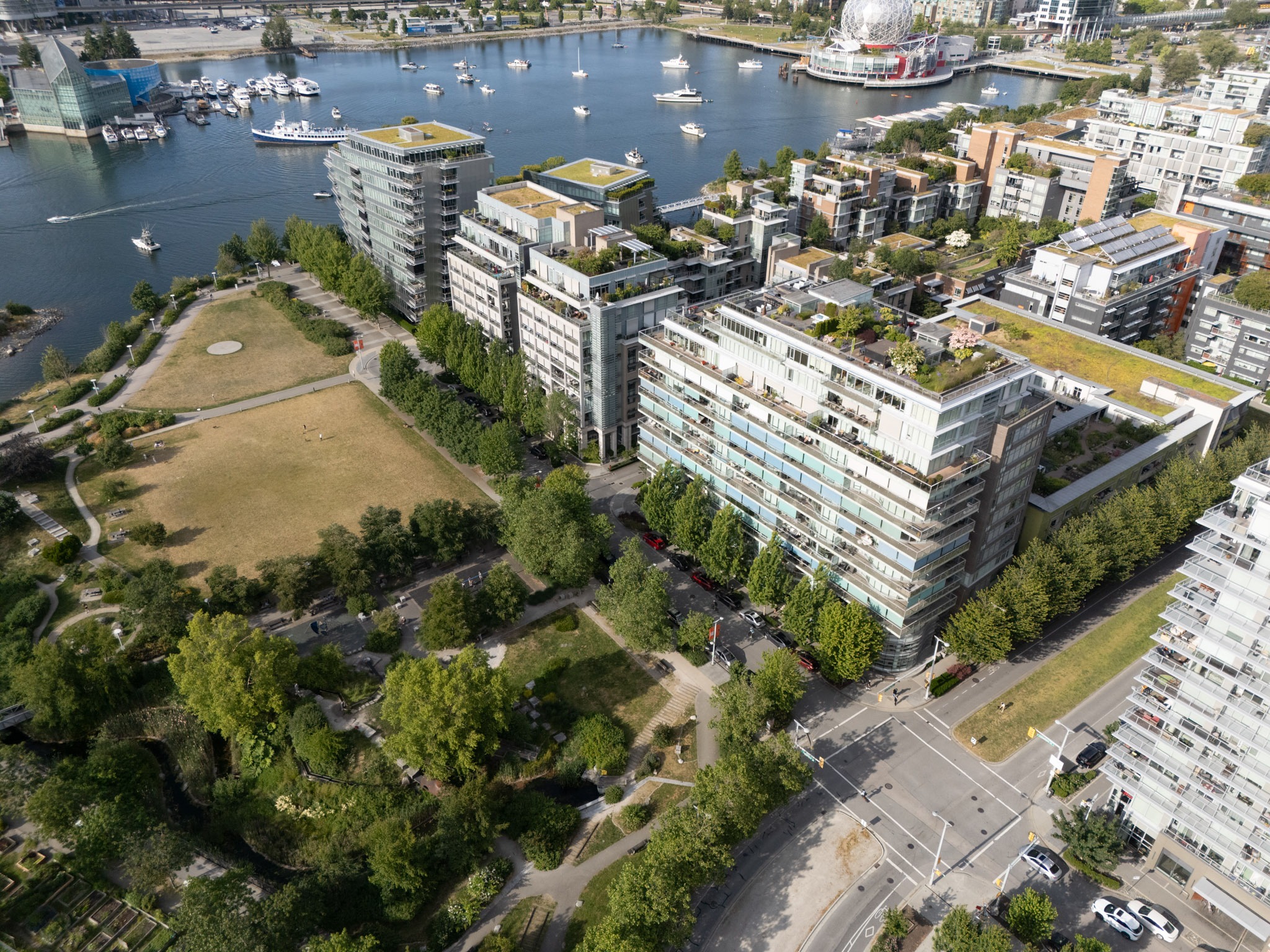
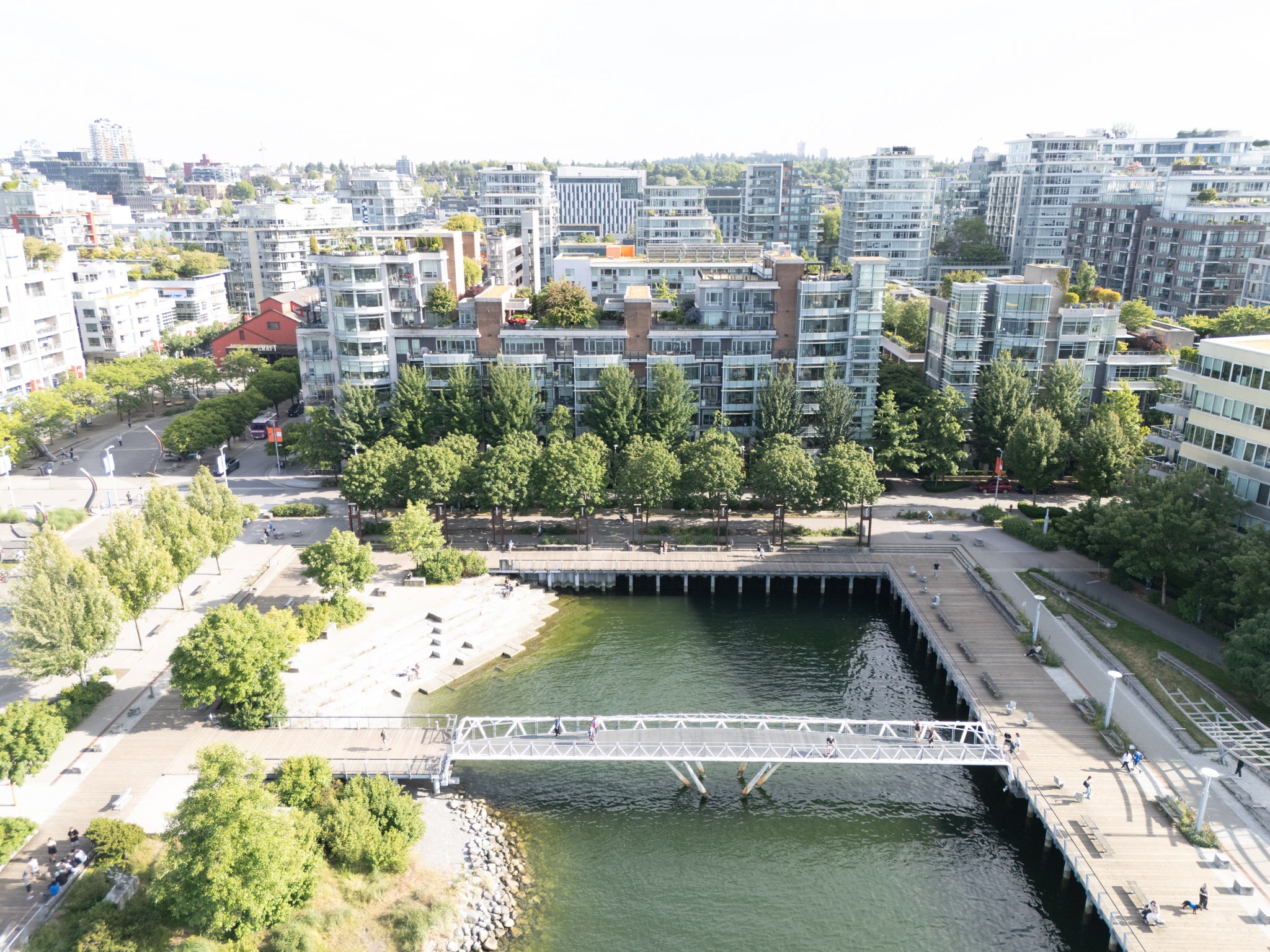
Olympic Village was one of the first major Silva Cell installations — and one of the most influential. Landscape architect Margot Long of PWL Partnership championed the use of the system to ensure long-term tree health in a dense urban environment. At the time, Silva Cell was a brand-new technology. Today, its success at Olympic Village has helped make it a standard across Vancouver.
The project was also one of the first to apply the soil-volume strategies of renowned arborist Jim Urban, translating his research into built reality at a district scale. The results were visible almost immediately: fast-growing, healthy trees that required minimal maintenance. As a demonstration of what soil volume and passive irrigation can achieve, the project helped set a new bar for urban tree and streetscape design — not just in Vancouver, but across North America.
More than a decade later, the Silva Cell system continues to support healthy tree growth and sustainable stormwater performance at Olympic Village.
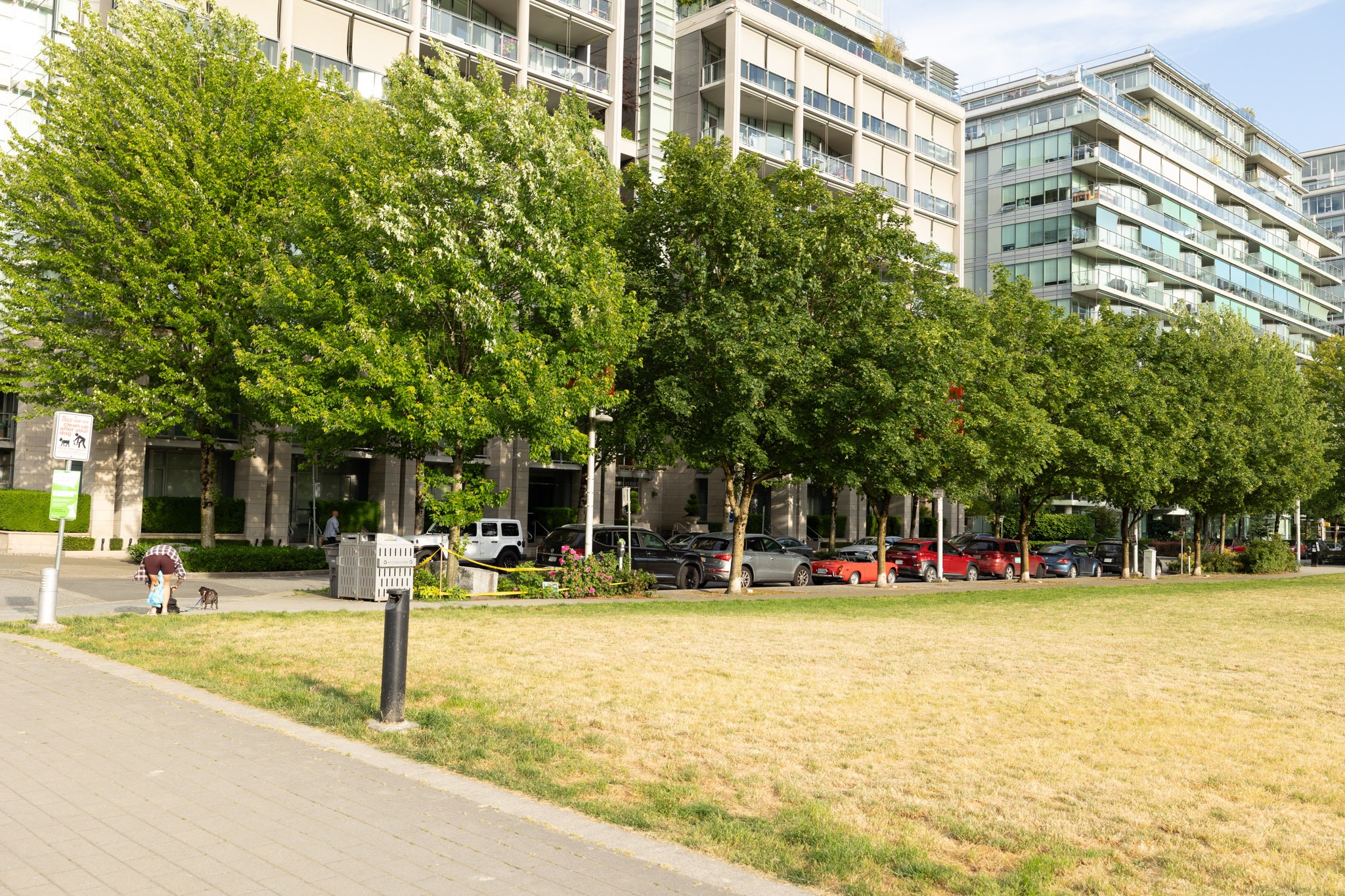
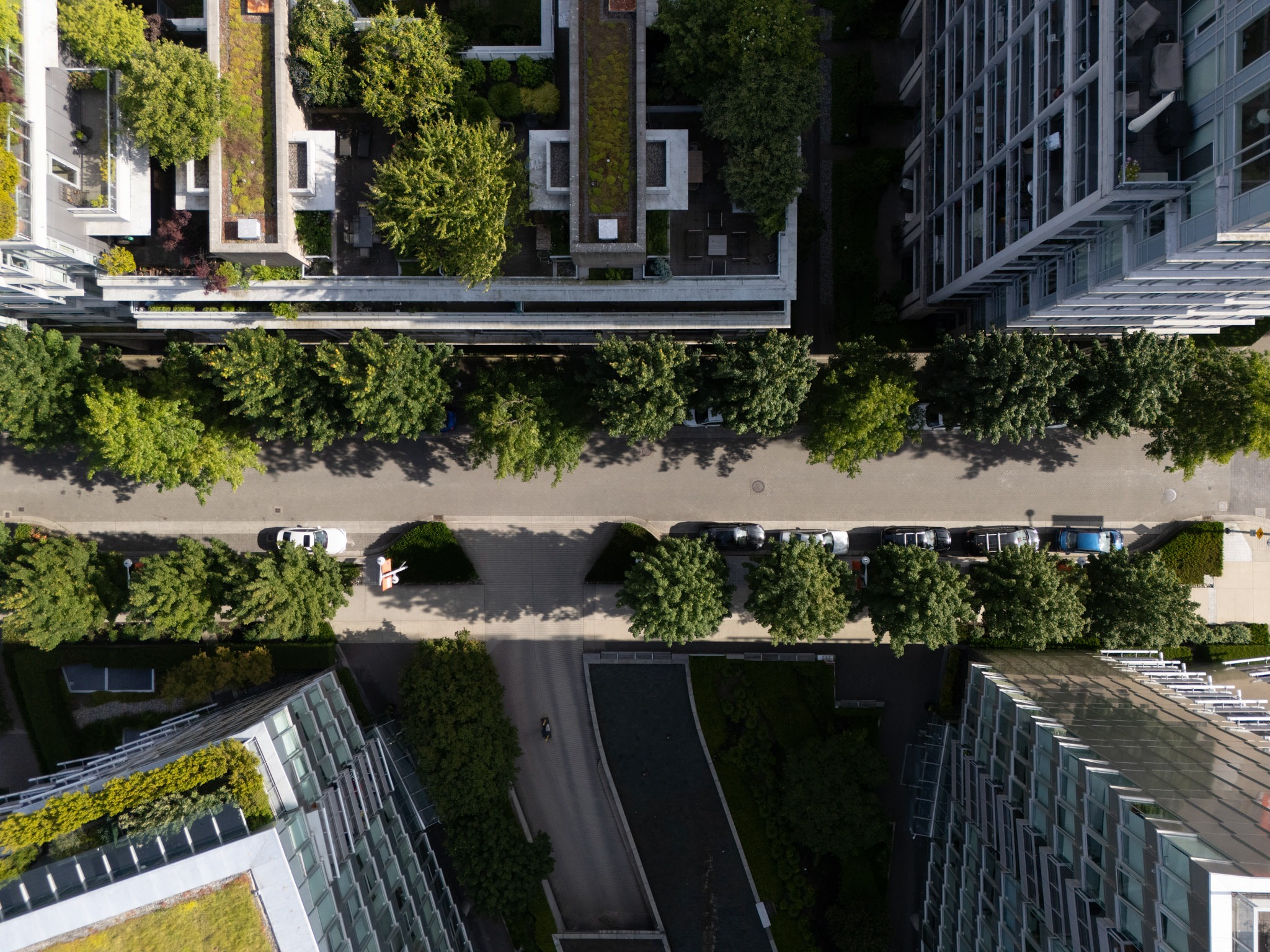
Olympic Village is a textbook example of the right conditions for healthy urban trees. The project provided nearly 2,000 m³ of shared, high-quality soil — all supported by Silva Cells and shared between multiple trees for maximum benefit. Just as importantly, the trees are irrigated passively through permeable paving and open grates that allow rainwater to reach the root zone. No mechanized irrigation is used. This simple, sustainable design has kept the trees thriving with minimal input from city maintenance teams — a major long-term advantage.
Margot Long, Principal at PWL Partnership, identifies how the Silva Cell trees are growing remarkably quickly, especially compared to others planted around the same time: “What we’ve noticed here is these trees have grown twice as fast as any other trees that were planted at the same time. They’re healthier. The trees aren’t irrigated — the rainwater is collected in the permeable areas in the granite sets and along the rain gardens.”
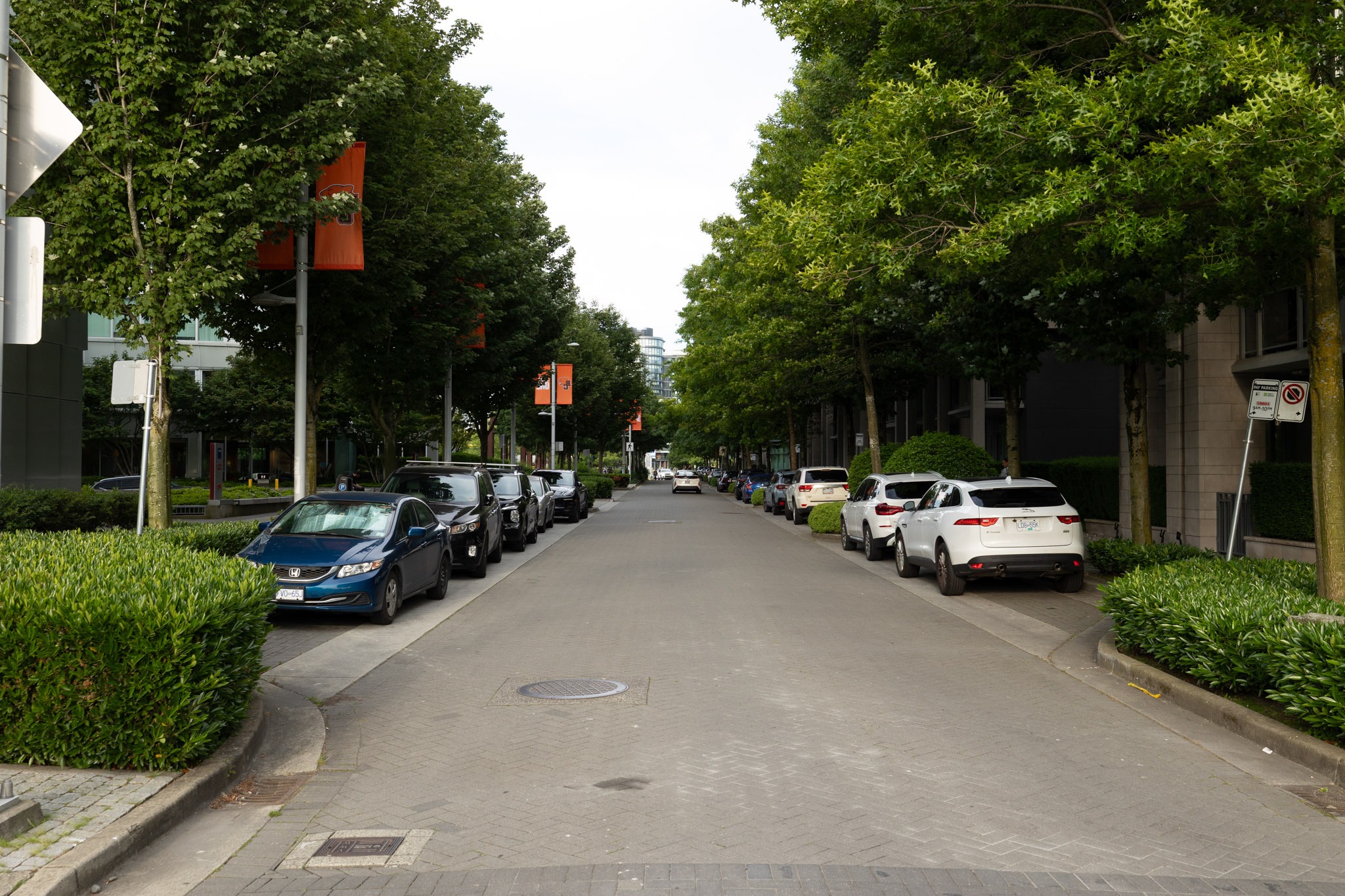
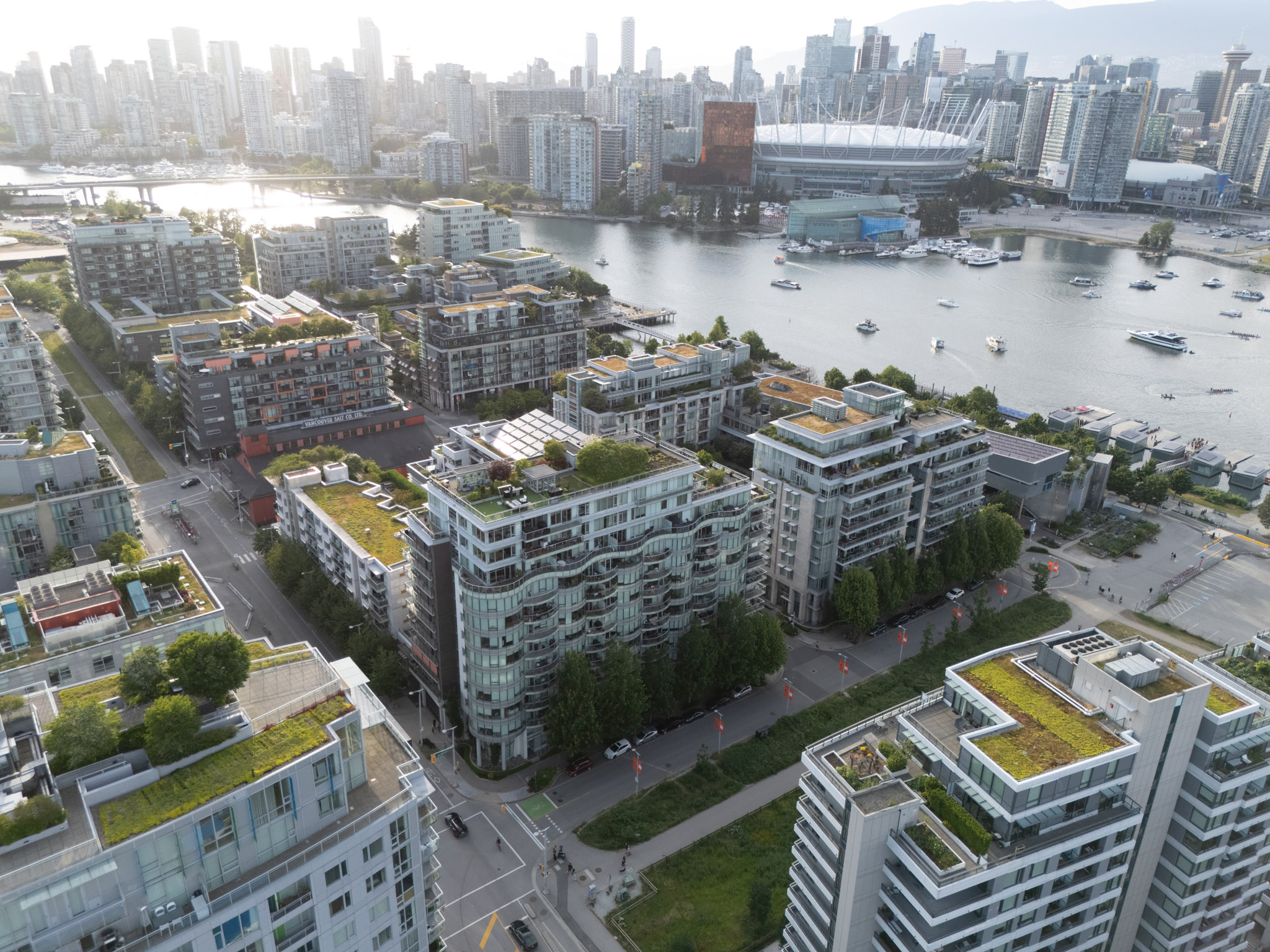
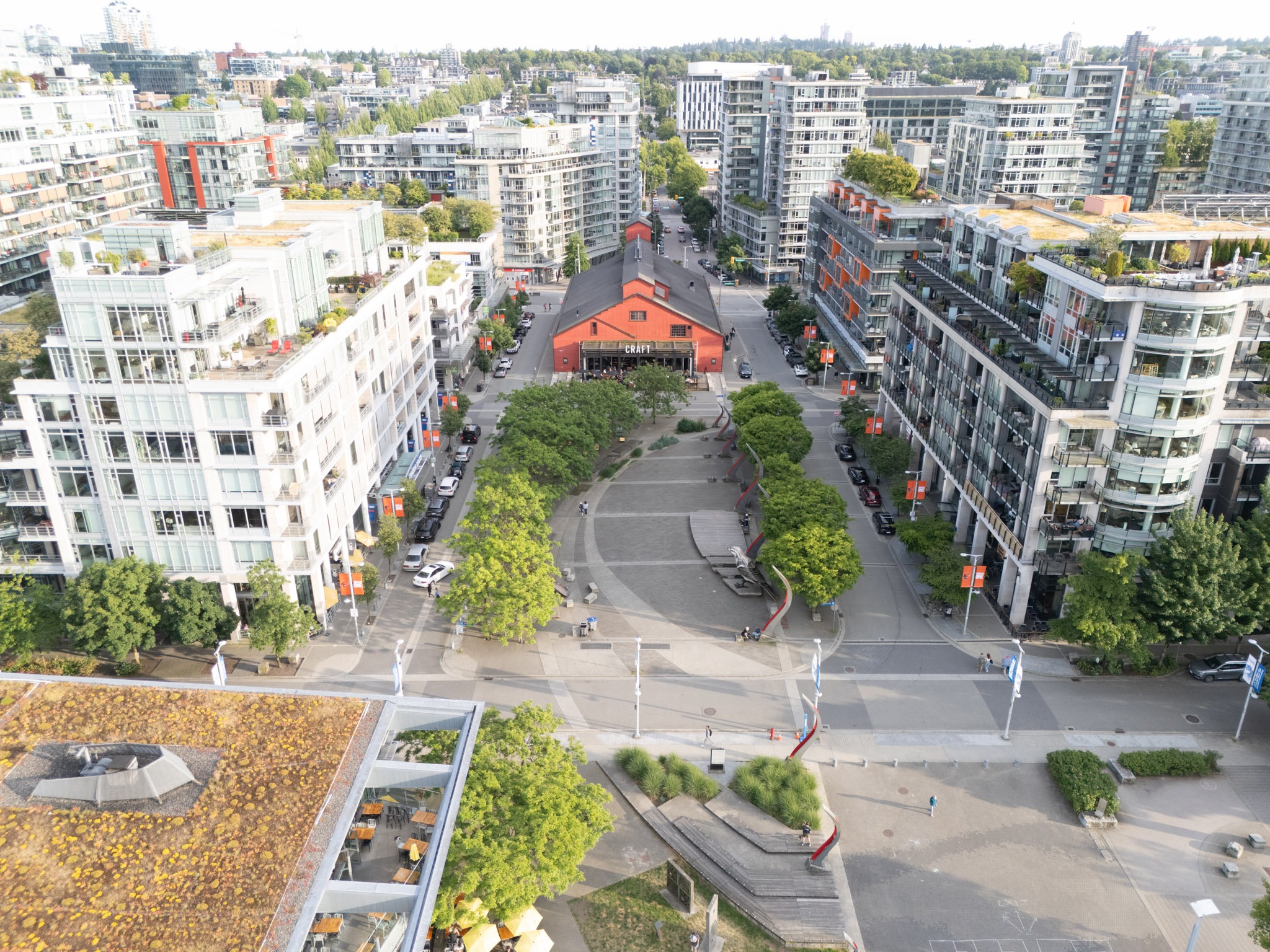
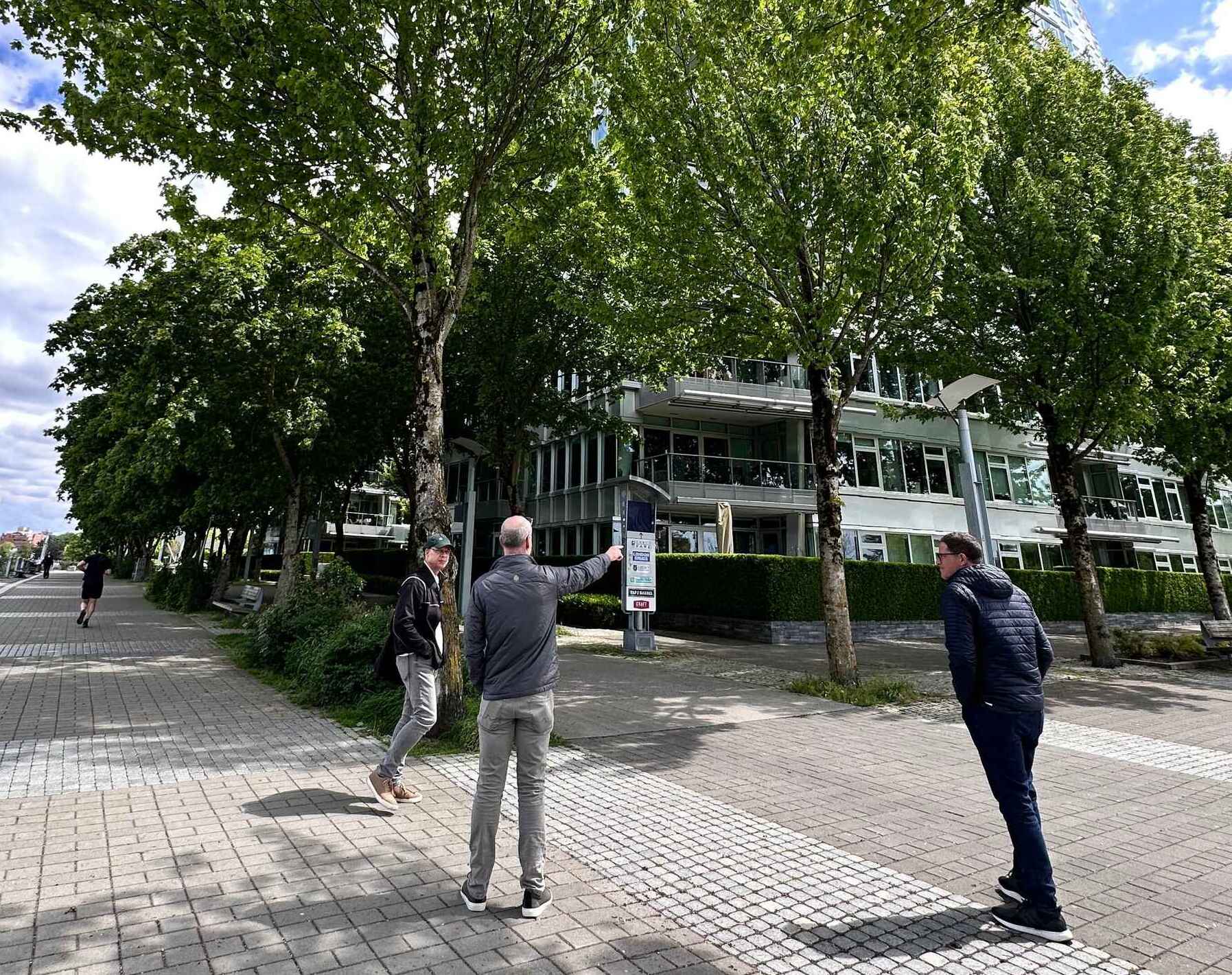
Today, Olympic Village is a true urban destination — a beloved waterfront neighborhood filled with mature tree canopy, vibrant public spaces, and active streets. The shaded pedestrian promenade is central to its appeal, offering comfort, beauty, and environmental benefits. Once described as a ghost town in its early years, the neighborhood has become one of the city’s most in-demand places to live, work, and visit. Tree-lined plazas and restaurant patios are now packed with people throughout the summer months. The vision for a green, walkable community has come to life — and the trees are a big part of that story.
In 2013, Olympic Village won the Urban Land Institute’s Open Space Award, recognized for bringing restored natural environments into a dense, urban setting.

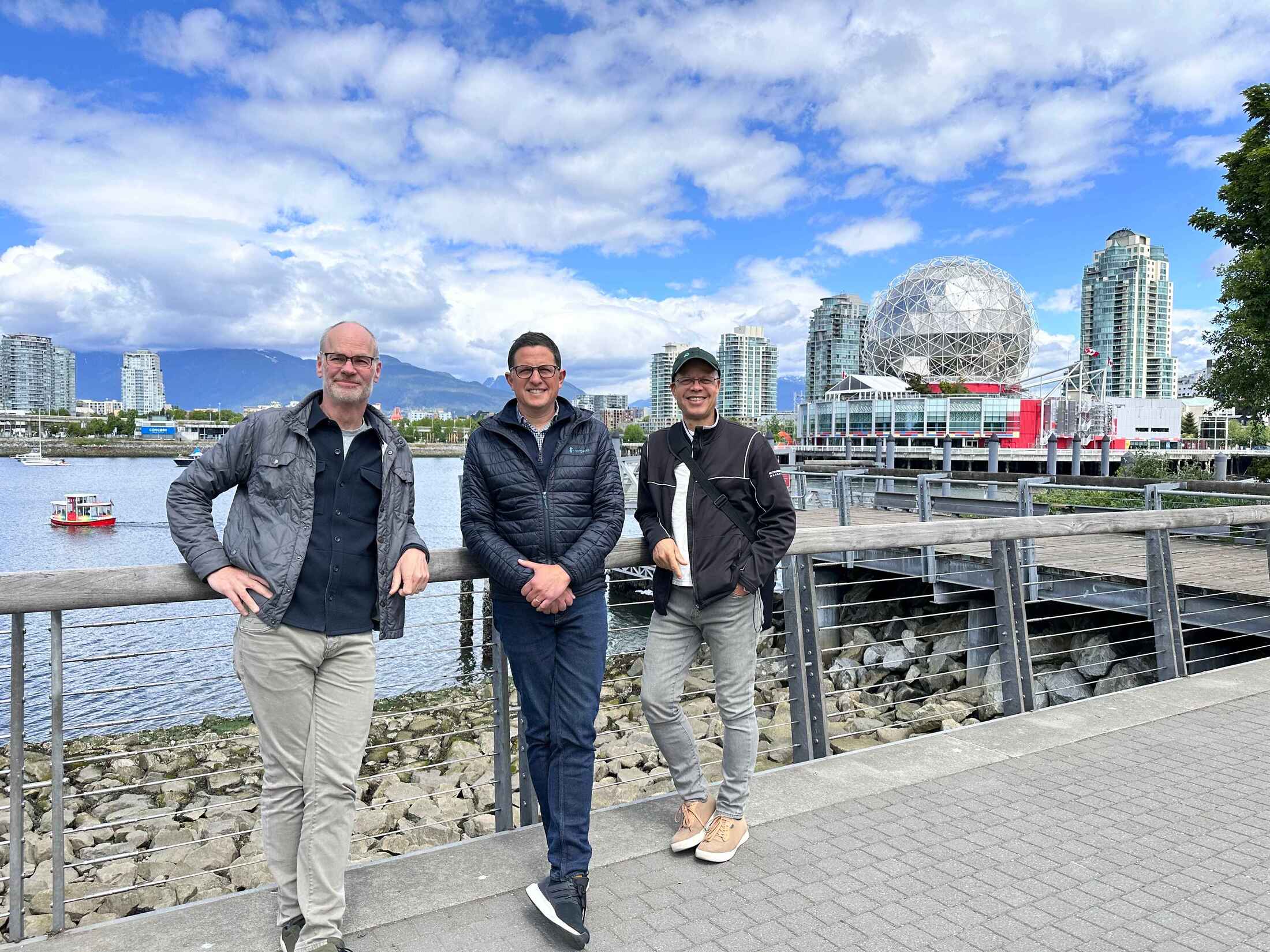
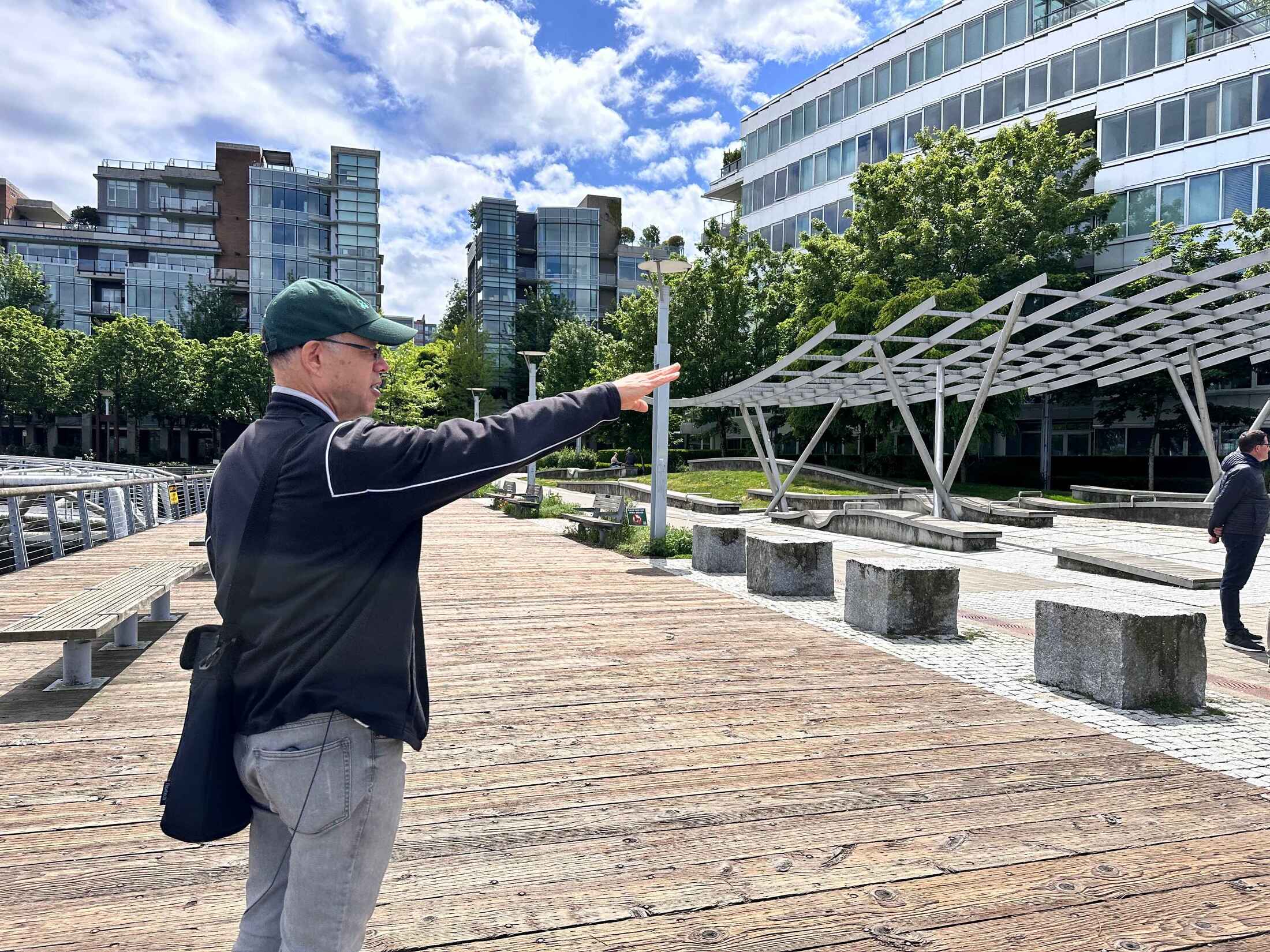
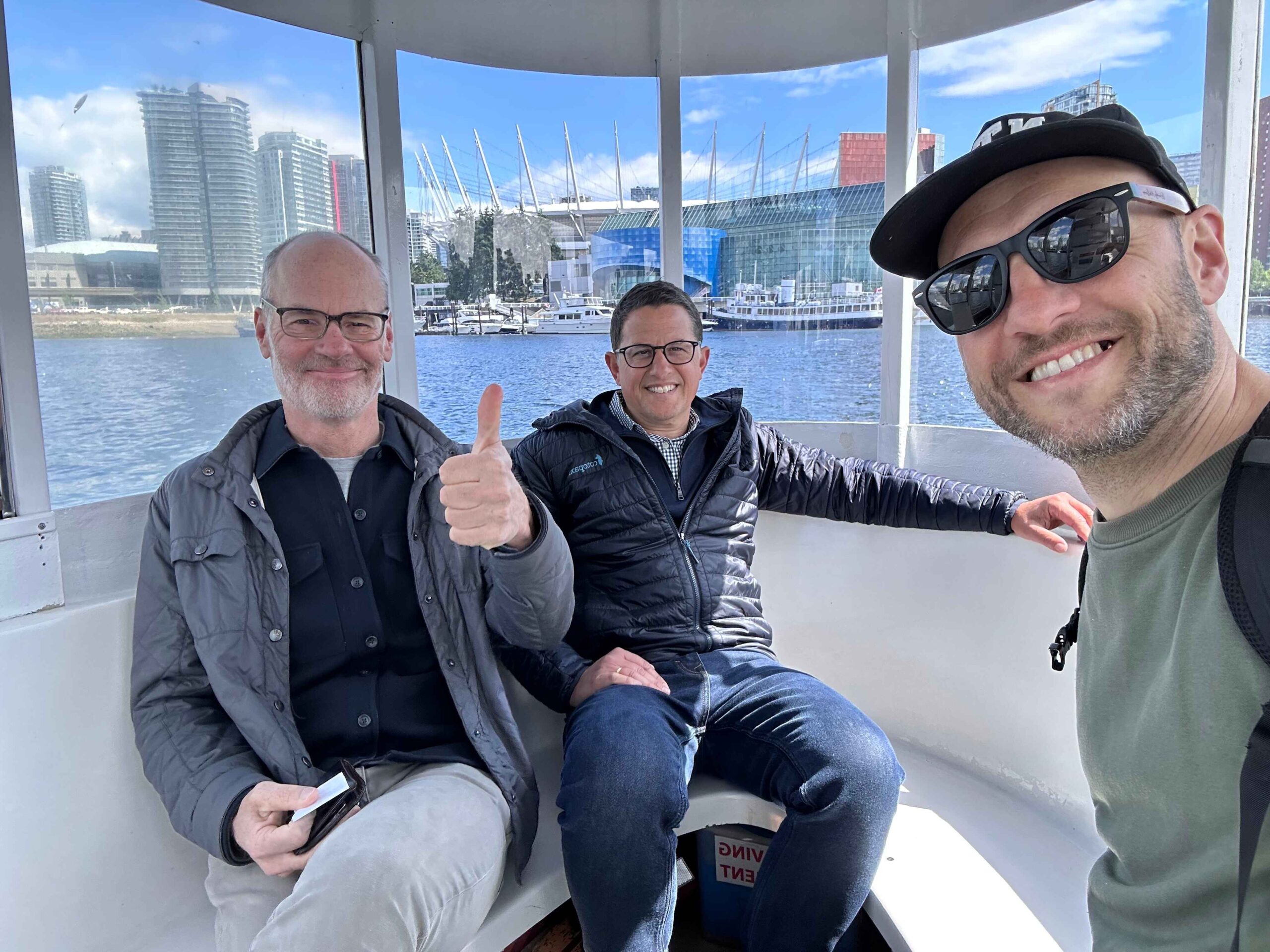
One of our favorite things as a team is to visit our projects around the world. And Olympic Village is one of our favorites: an early showcase of just what Silva Cells can do and how flourishing green space can transform a community. In spring 2025, Graham Ray, Shawn Freedberg, Dale Butterfield, and Mike James visited Olympic Village, enjoying the enormous trees made possible in part by Silva Cells.
 Soil. Stormwater. Sustainable Infrastructure.

Request a Quote [email protected]
Tel: 415 781 9700
Toll Free: 800 458 7668
Toll Free: 800 277 7668
Fax: 415 781 0191
