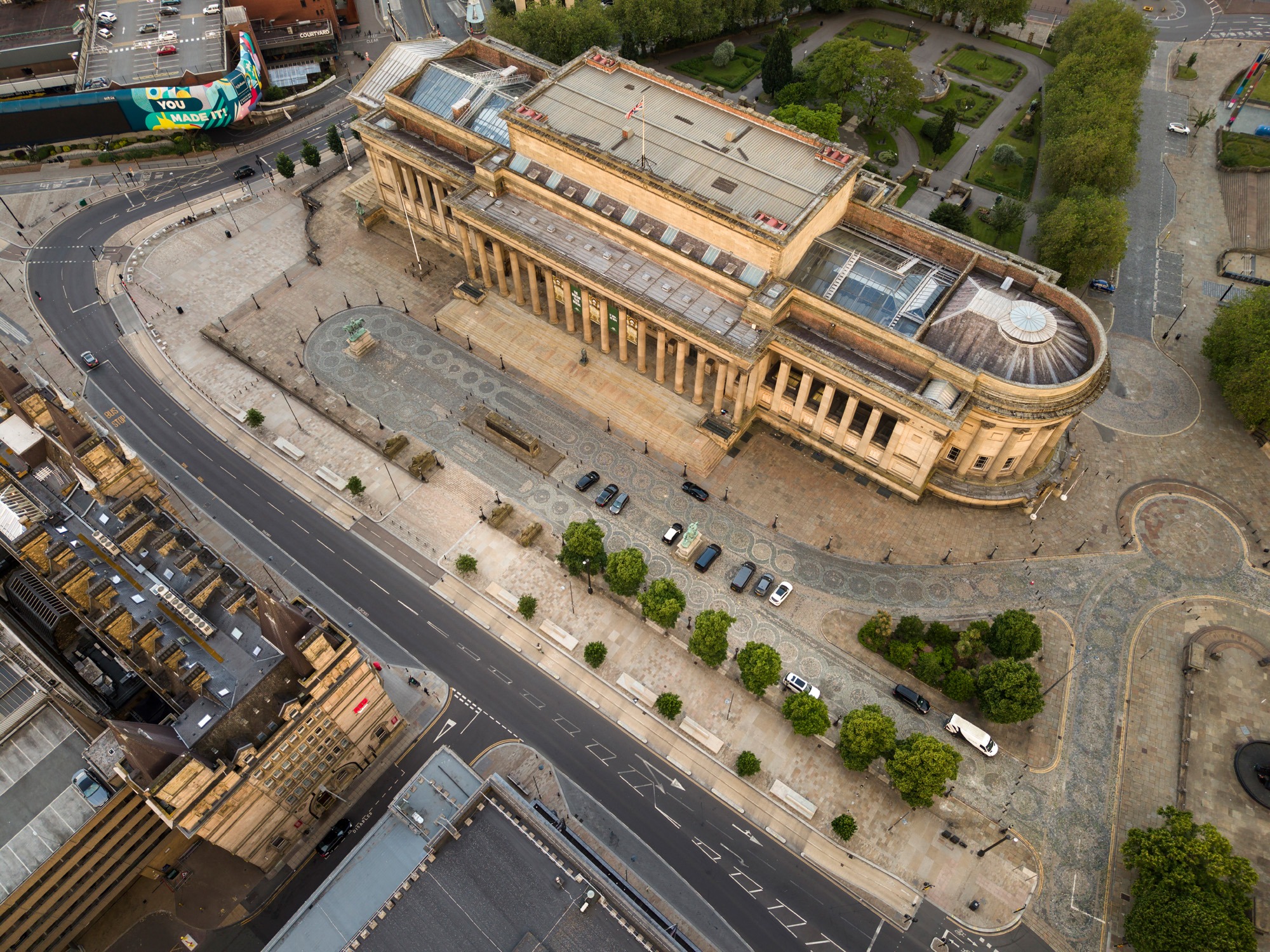
Silva Cells support street trees and provide at-source stormwater management (SuDS) along the new green-focused Lime Street.
Number of Silva Cells: 948 (2x)
Number of Trees: 32
Installation: Spring/Summer 2022
Soil Volume per Tree: 22 cubic meters
Project Designer: BCA Landscape
Project Engineer: Amey
Project Contractor: John Graham Construction / NMCN
Lime Street is one of Liverpool’s most recognizable gateways, connecting the city’s principal railway station with its cultural and commercial centre. Completed in 2022 as part of the wider £47 million Liverpool City Centre Connectivity programme, the transformation delivered approximately 700 metres of segregated cycleway and 32 new street trees — making this heavily paved corridor safer, greener and easier to navigate.
Beneath the streetscape, Silva Cells provide the uncompacted soil needed to support long-term tree growth while helping manage rainfall where it falls. The adoption of Silva Cells on Lime Street was built in part on the successful use of Silva Cells at The Strand and continued a partnership with Liverpool City Council, Amey, and BCA Landscape — demonstrating the city’s trust in the system to help deliver its wider green-infrastructure vision.
Take a visual tour of the project by watching the video above.
Liverpool’s connectivity vision required its streets to perform in several ways at once. They needed to move people efficiently, support safer walking and cycling, create room for healthy trees, and manage rainfall within a constrained city-centre environment. Delivering that vision depended on infrastructure below the paving as much as the visible improvements above it.
Silva Cells had already been selected for The Strand, where load-bearing soil infrastructure supports trees and a stormwater SuDS system. Their selection at Lime Street demonstrates continuity in the approach taken by the same city, engineering, and landscape-design partners. Beneath both streets, Silva Cells preserve uncompacted planting soil while supporting the paved public realm above, allowing trees and stormwater infrastructure to occupy space that would otherwise be unavailable.
On Lime Street, that green vision is already becoming visible. The young trees form a planted rhythm along the corridor and help define the new cycleway. Below ground, the same installations provide rooting space and receive stormwater. Silva Cell is therefore not an isolated product within the project; it is part of the working foundation that allows Liverpool’s transportation, greening, and water-management objectives to coexist.
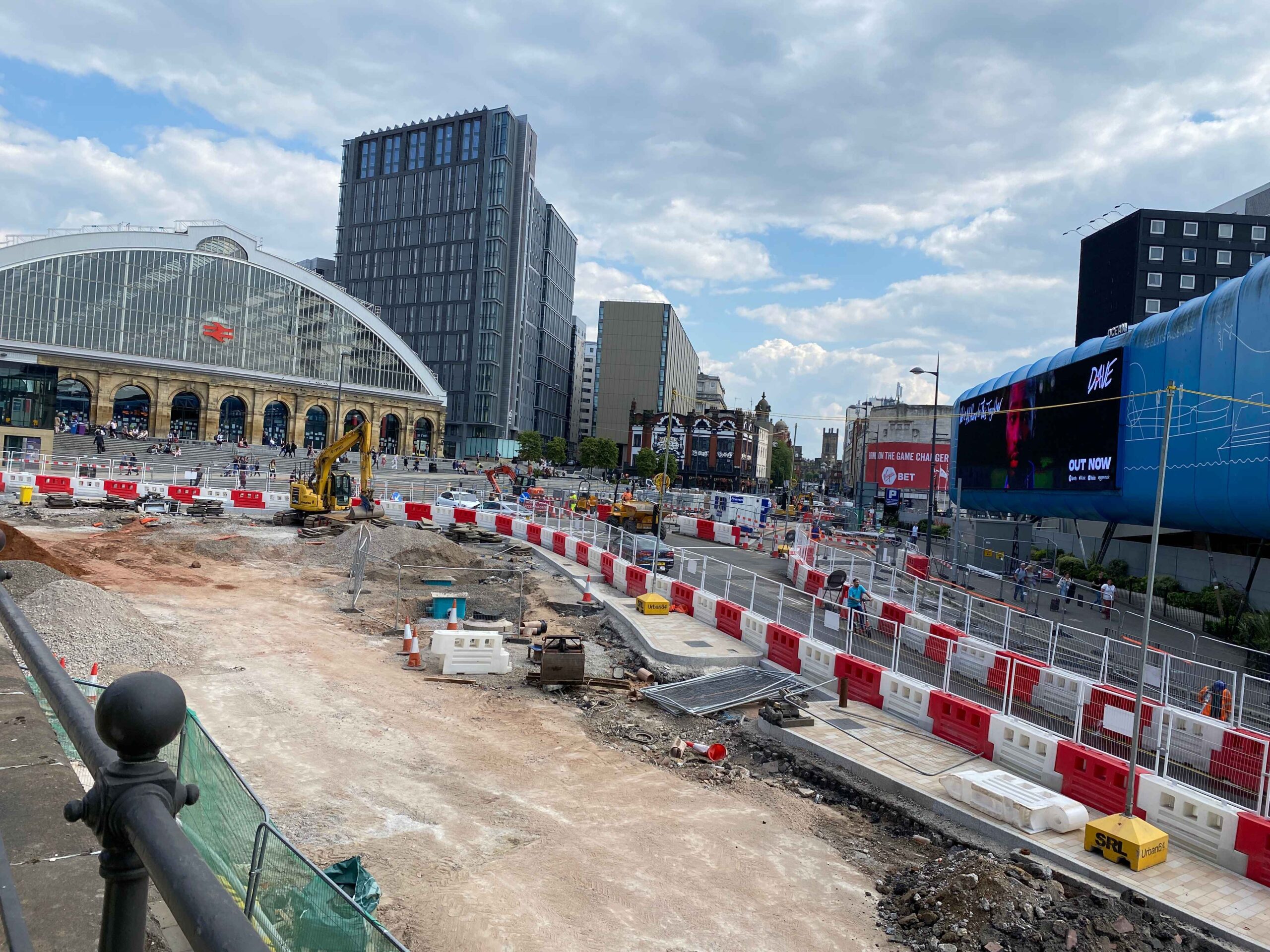
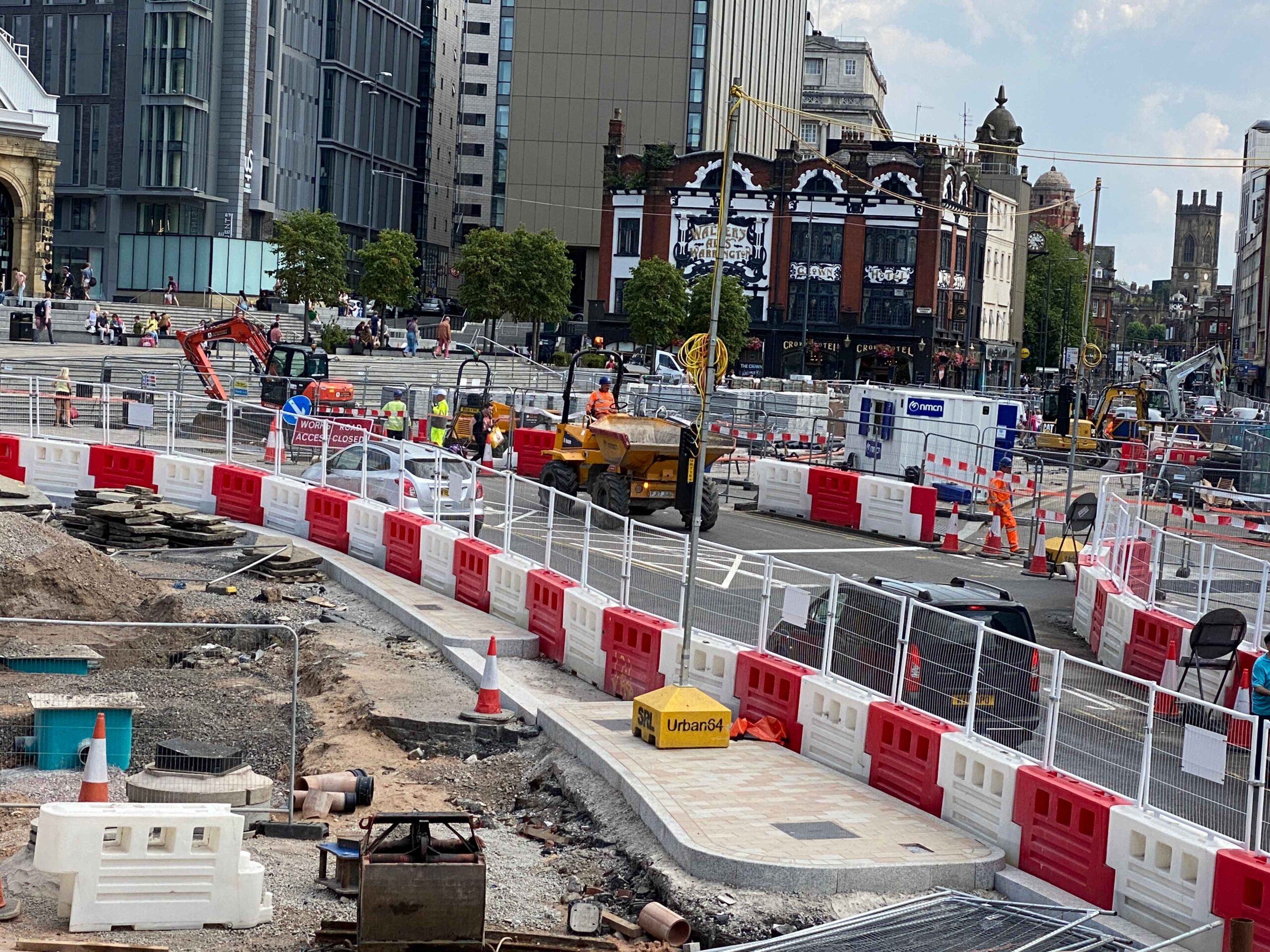
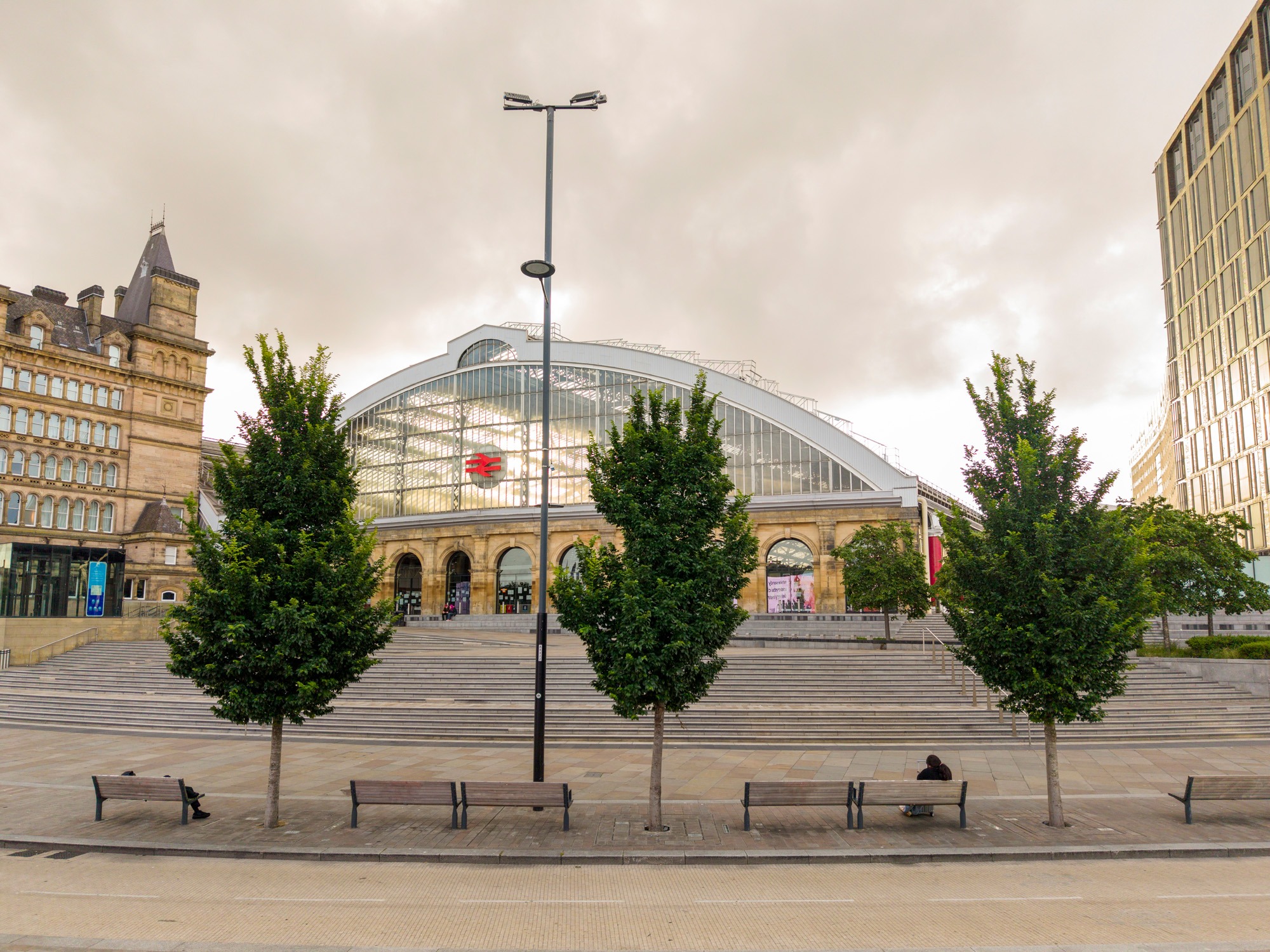
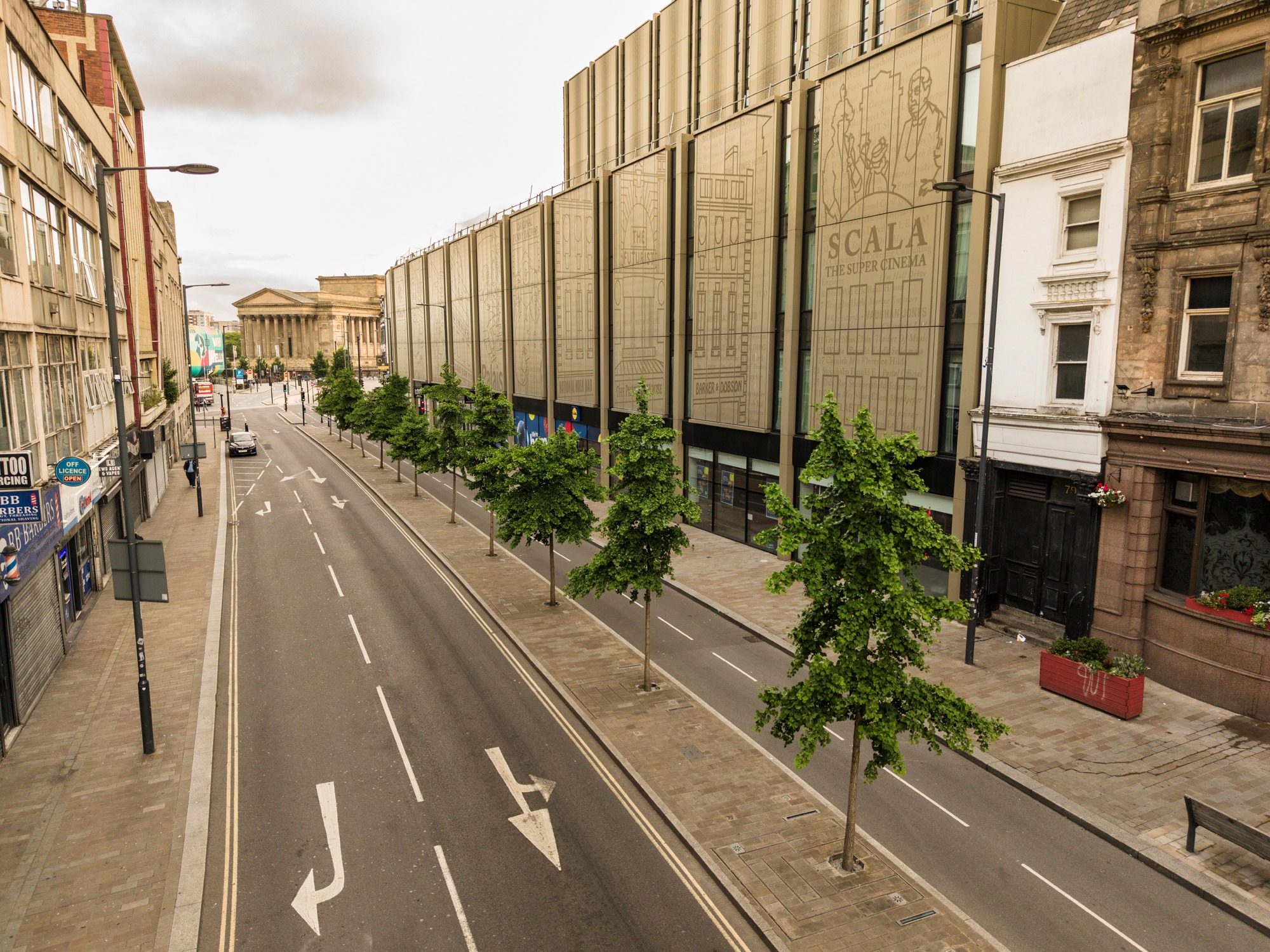
Lime Street must accommodate many kinds of movement within a finite space. General traffic continues to use the corridor, while pedestrians move between the railway station, shops, and historic venues/buildings. A segregated cycleway introduces a safer route for active travel. Trees placed along the streetscape, including beside the cycleway, soften the hard transportation environment and create a green layer between its different uses. The trees need access to sufficient, high-quality soil, but the surface must remain structurally stable and almost entirely available for circulation. Silva Cells carry the paving loads while providing large openings for soil placement and root growth below.
Lime Street’s trees were also incorporated into Liverpool’s wider URBAN GreenUP programme. The programme evaluated the trees principally through an air-quality and urban-greening lens, complementing the project’s role in the city’s green travel network. This monitoring was not as robust as the hydrological work associated with The Strand, but it reinforces the broader point: the trees are part of Liverpool’s environmental infrastructure, not simply streetscape decoration.
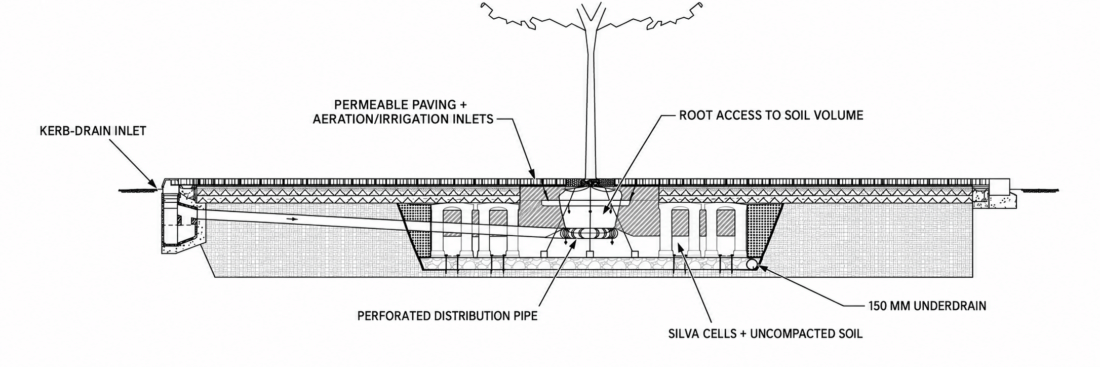
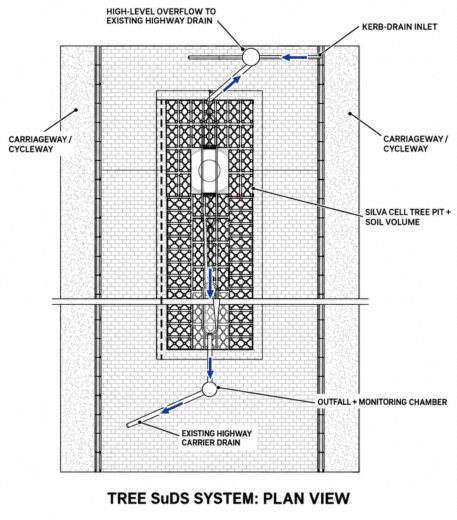
At select Lime Street tree pits — primarily those beside the new segregated cycleway — Silva Cells do more than support tree growth. Runoff from the surrounding hardscape is directed into the uncompacted planting soil, where it is distributed, filtered, and retained for tree use before excess water is released through controlled drainage.
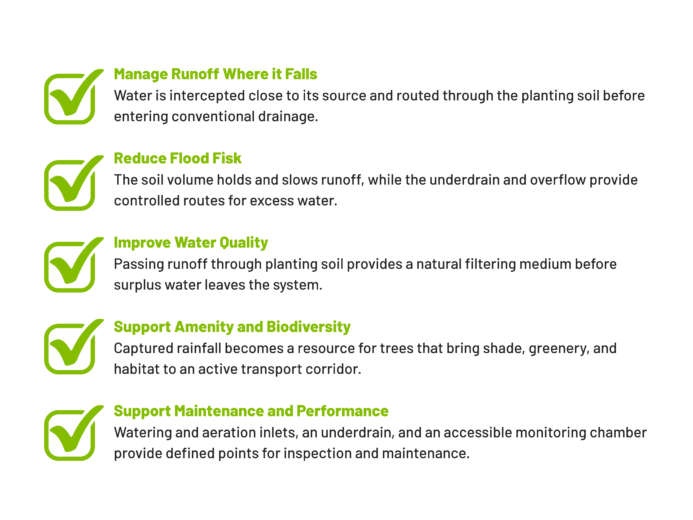
The Silva Cell stormwater bioretention functionality on Lime Street is a great demonstration of SuDS principles at work. The design supports many of the outcomes now emphasised in current guidance:
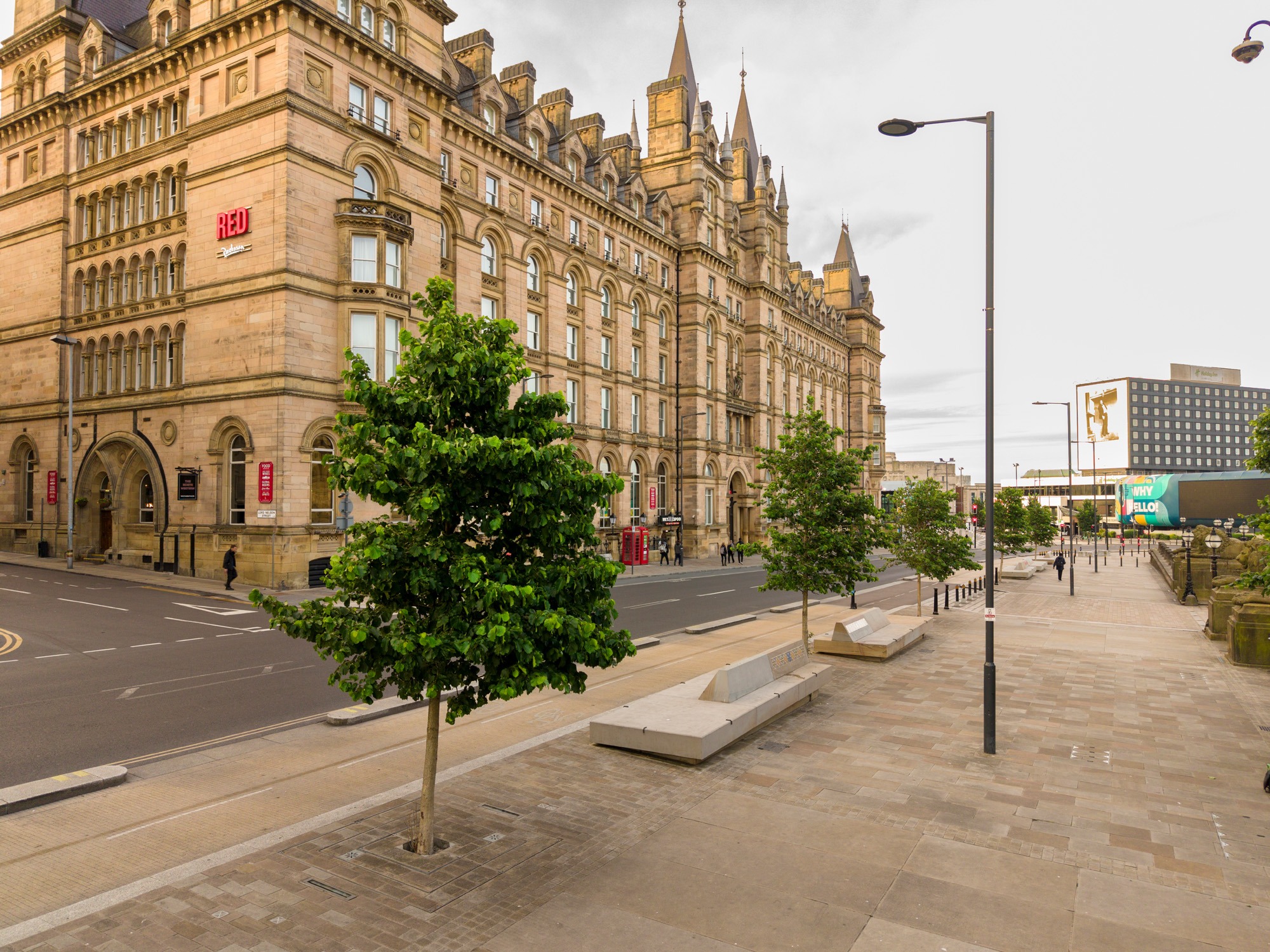
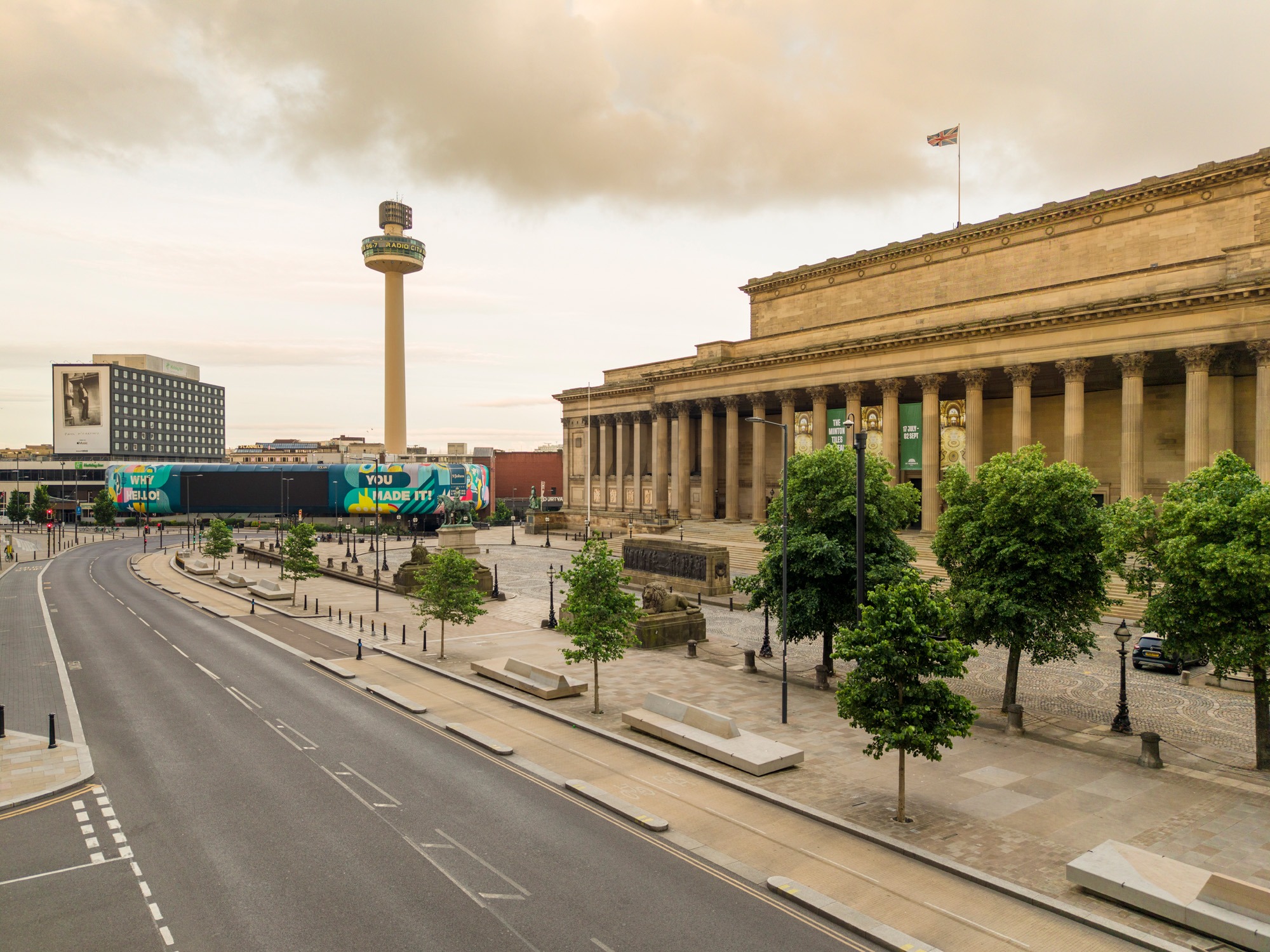
At Lime Street, Silva Cell was not asked to solve one isolated problem. The system helped the project team bring several objectives into the same narrow corridor: structural support for a heavily used paved surface, uncompacted soil for long-term tree growth, integration with utilities, and an engineered bioretention plan for stormwater.
This is what makes Lime Street a useful companion to The Strand. It is not the same type of demonstration and does not carry the same body of hydrological monitoring. Yet it shows the same essential idea at work: give trees access to healthy soil, integrate water management beneath the pavement, and allow green infrastructure to support the larger ambitions of the city.
Liverpool trusted Silva Cells beneath two of its most visible connectivity projects. Along Lime Street, the growing trees and completed active-travel corridor are making that investment visible above ground, while the SuDS design continues the work below. It’s a compelling example of one system helping a city move toward several green objectives at once.
 Soil. Stormwater. Sustainable Infrastructure.

Request a Quote [email protected]
Tel: 415 781 9700
Toll Free: 800 458 7668
Toll Free: 800 277 7668
Fax: 415 781 0191

 en
en en
en