Real-world data confirms Silva Cells as a proven nature-based solution for flood resilience and water quality in Salford
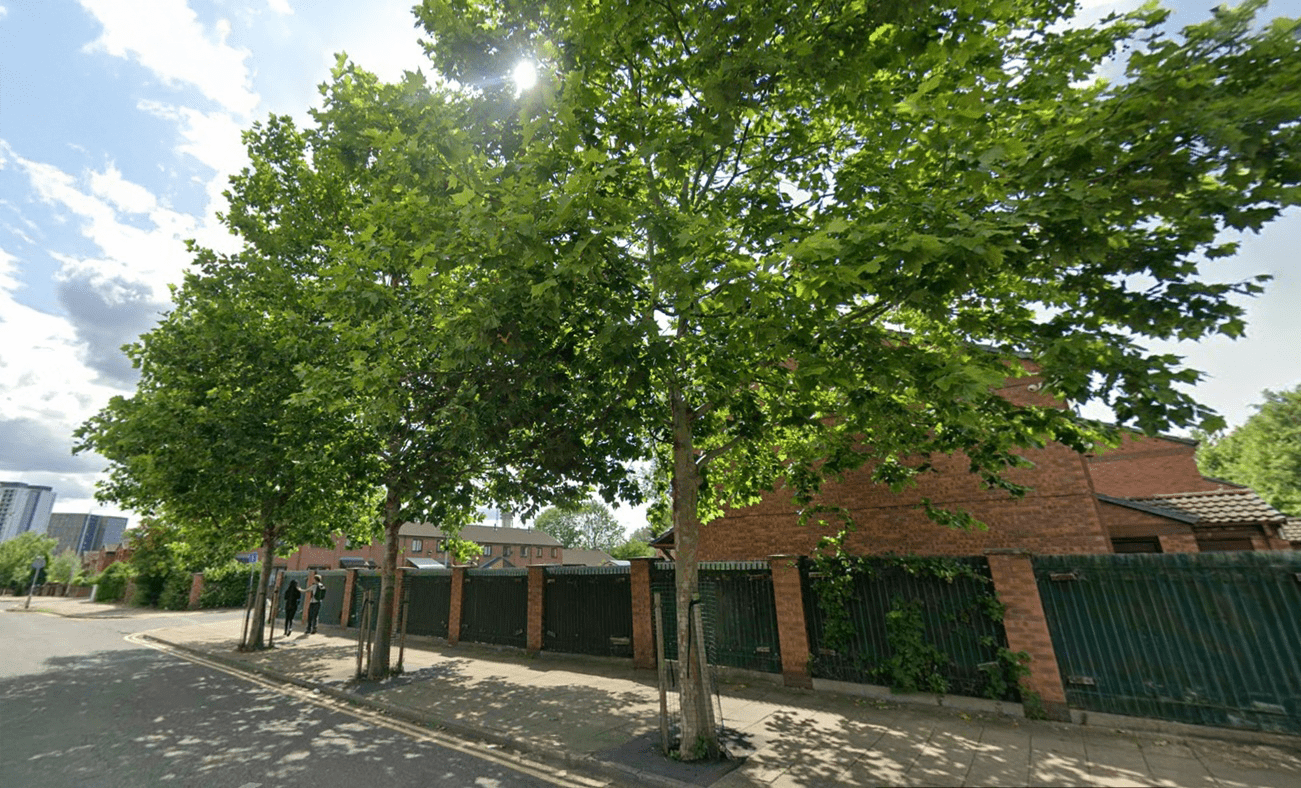
The Howard Street project in Salford set out to prove that urban trees could be more than aesthetic features — they could actively manage stormwater, reduce flooding risk, and improve water quality. By using Silva Cells, the city and its partners envisioned a living system that combined the ability to manage stormwater with all the simultaneous benefits of nature.
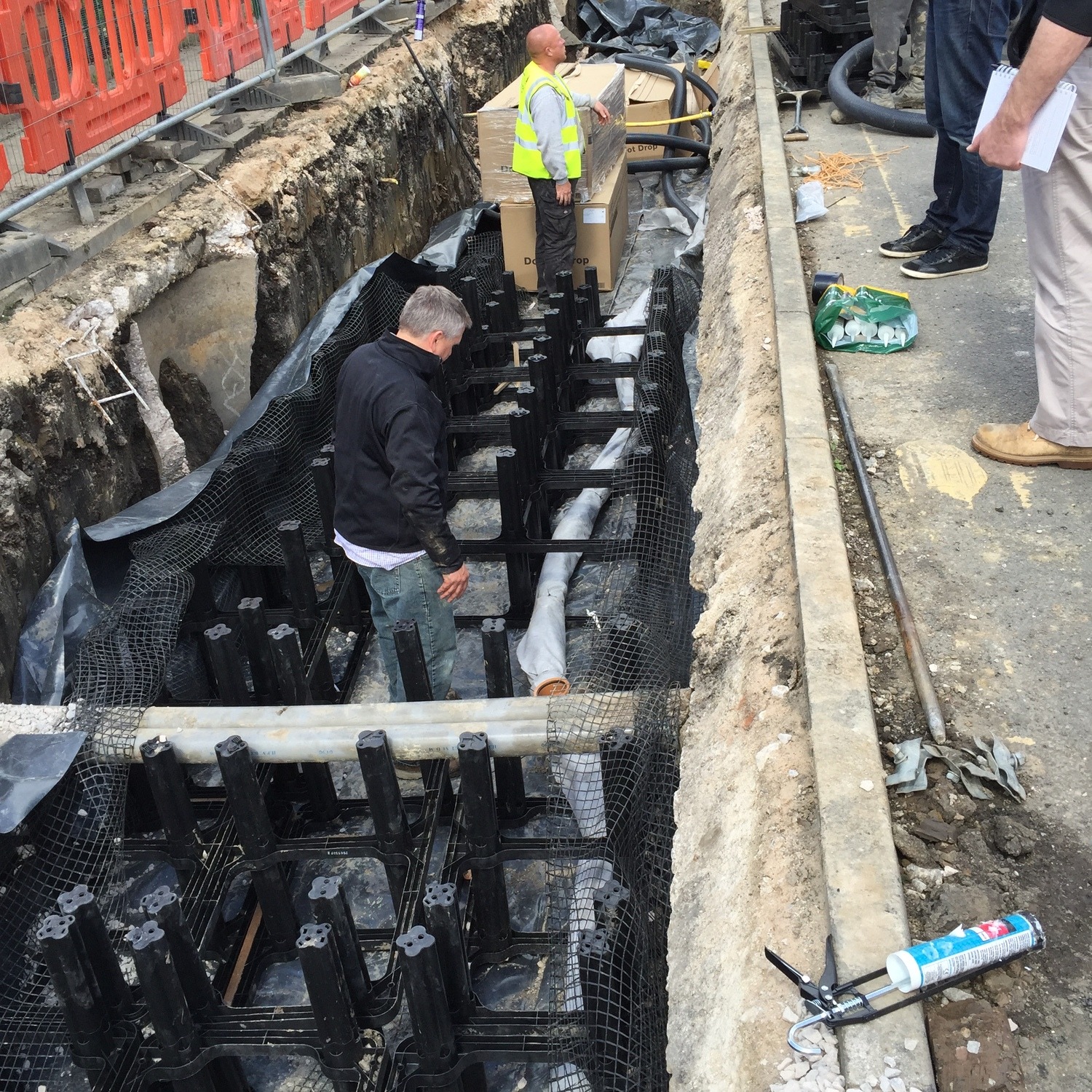
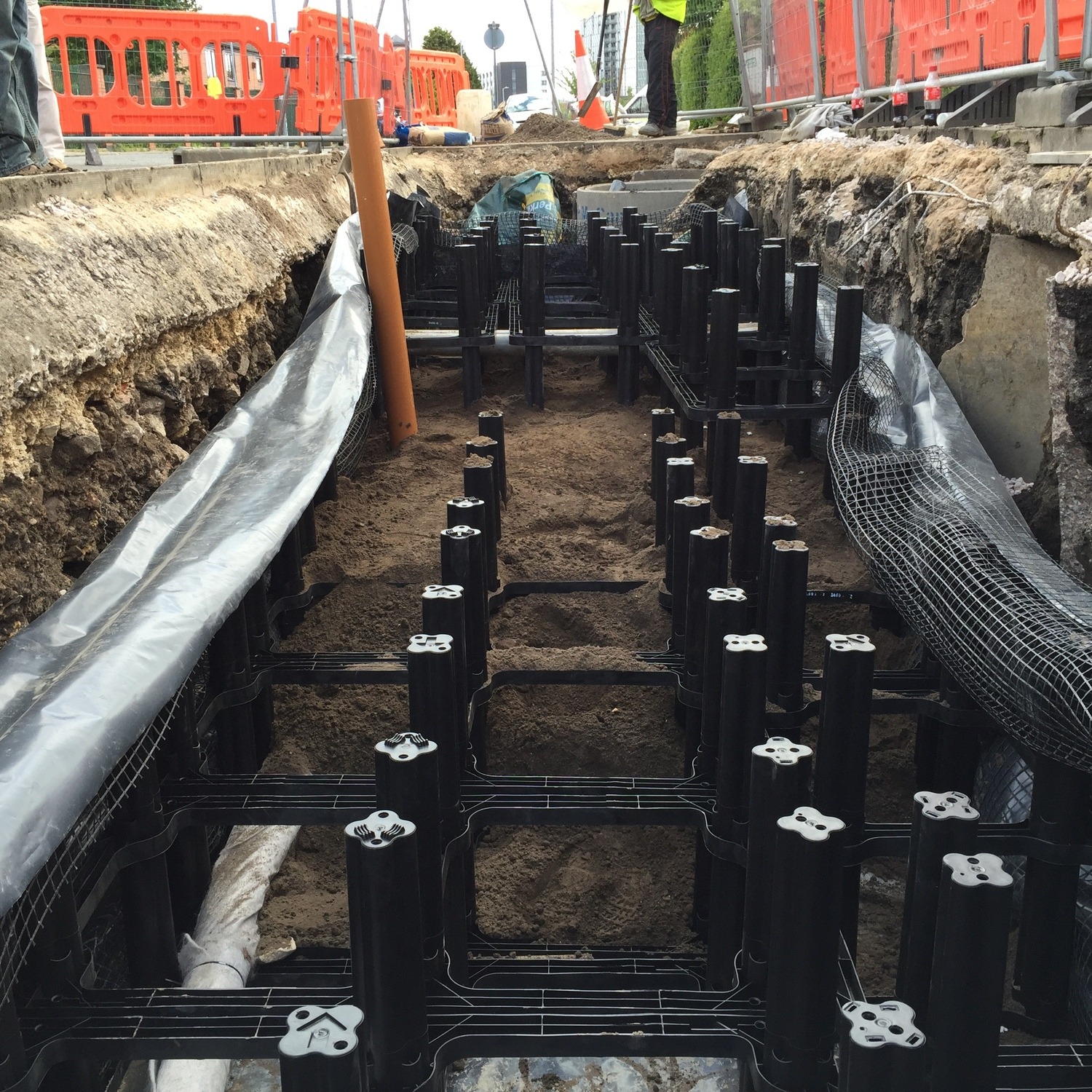
Three London Plane trees were planted in 2015 in a specially designed trench built with a 3x Silva Cell system filled with bioretention soil. Runoff from the street was directed into the system via kerb slots, where it was captured, filtered, and slowed. This approach turned what might have been a standard roadside planting into a pioneering testbed for nature-based stormwater solutions.
The data from the Howard Street project, monitored by special equipment installed on site, have proven the efficacy of trees in general and Silva Cells in particular as an urban stormwater management solution, paving the way for this strategy to be utilized in dozens of other projects throughout the UK.
Number of Silva Cells: 160 (3x)
Number of Trees: 3
Type of Project: Streetscape
Soil Volume Per Tree: 15 m3 (533 ft3)
Project Designer: City of Trees Manchester
Project Contractor:Landscape Engineering
Installation Date: June 2015
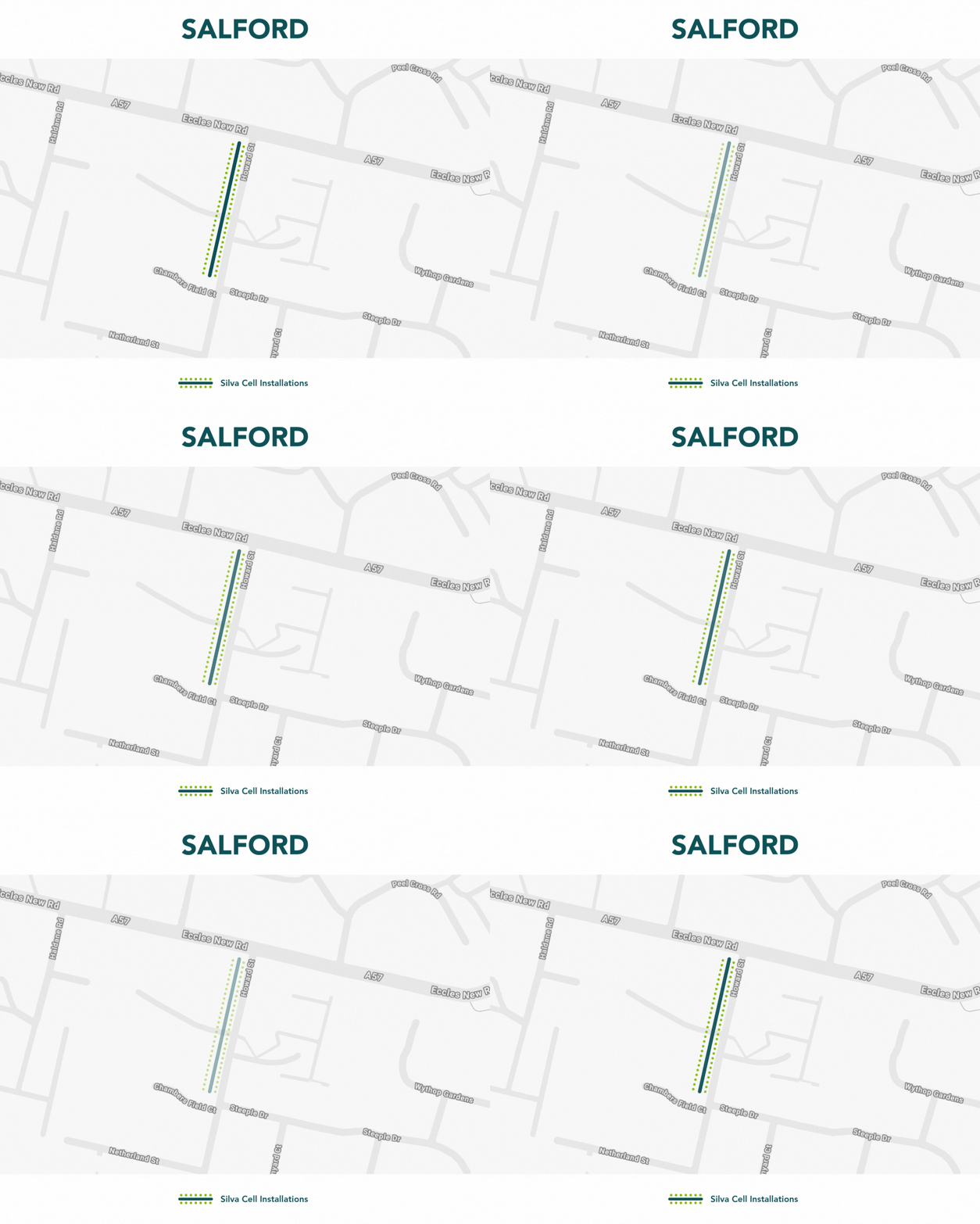
At the time of its installation, Howard Street represented one of the UK’s first pilot projects to rigorously monitor the stormwater performance of Silva Cell systems. The partners — including the University of Manchester, Salford City Council, and the Environment Agency — wanted measurable, real-world data to prove that urban greenery could serve as a true stormwater management solution.
Howard Street was also selected because it had a history of street tree failure. Previous plantings had struggled in compacted soil and poor rooting conditions, leaving the corridor barren and exposed. This made it an ideal candidate for testing whether Silva Cells could both revitalize tree growth and manage surface water runoff in one integrated design. The project a live testbed for nature-based infrastructure and a model for how green and gray systems could work together to deliver lasting urban resilience.
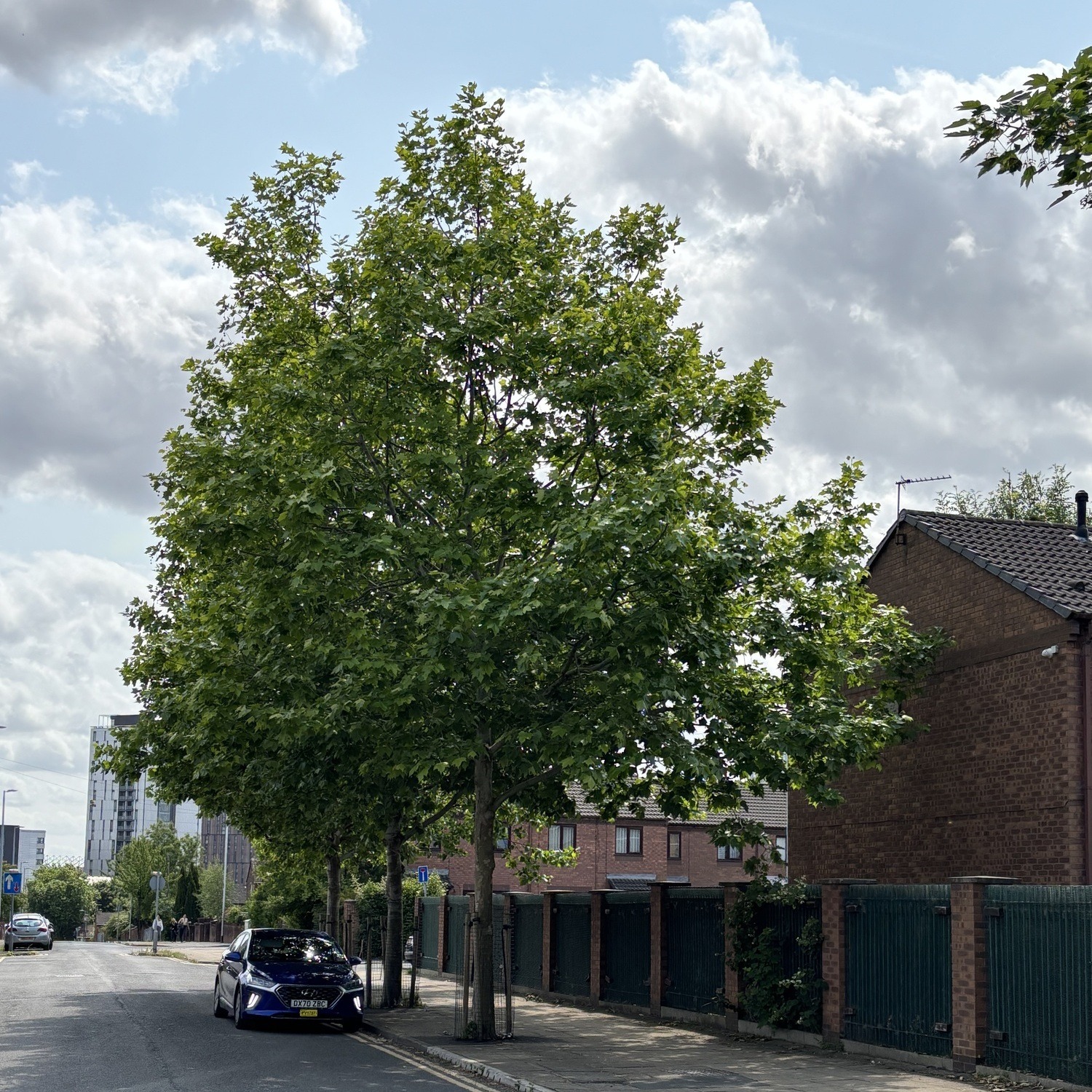
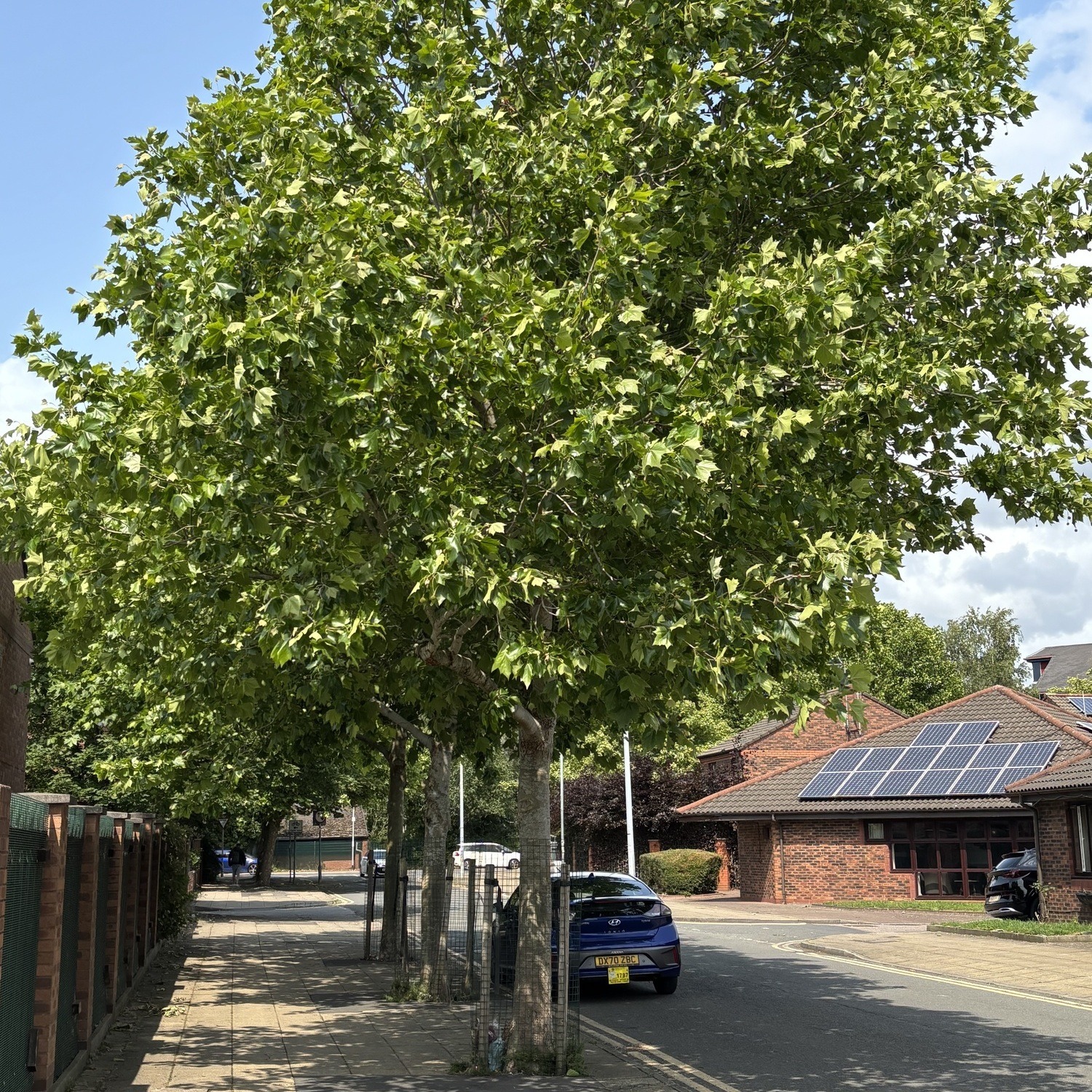
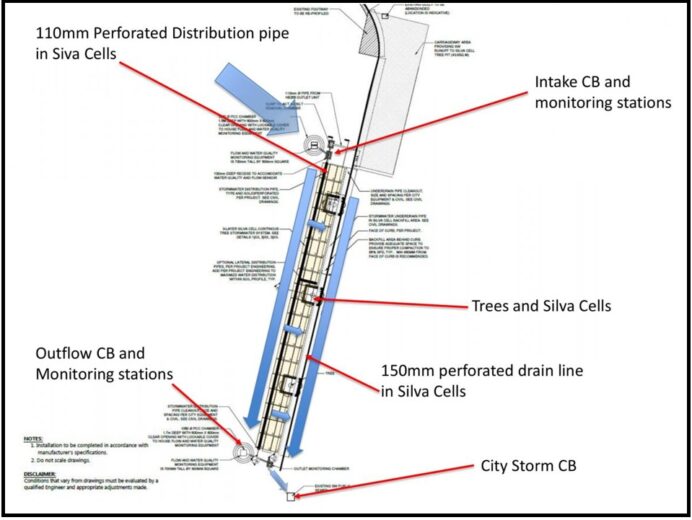
The Howard Street system was designed to take rainfall directly from the roadway and route it through the Silva Cell soil trench. Surface water entered via slot kerbs, which directed runoff from roughly 50 cubic meters of catchment area into the system. From there, a distribution pipe beneath the paving carried the inflow and spread it evenly across the three-layer Silva Cell structure.
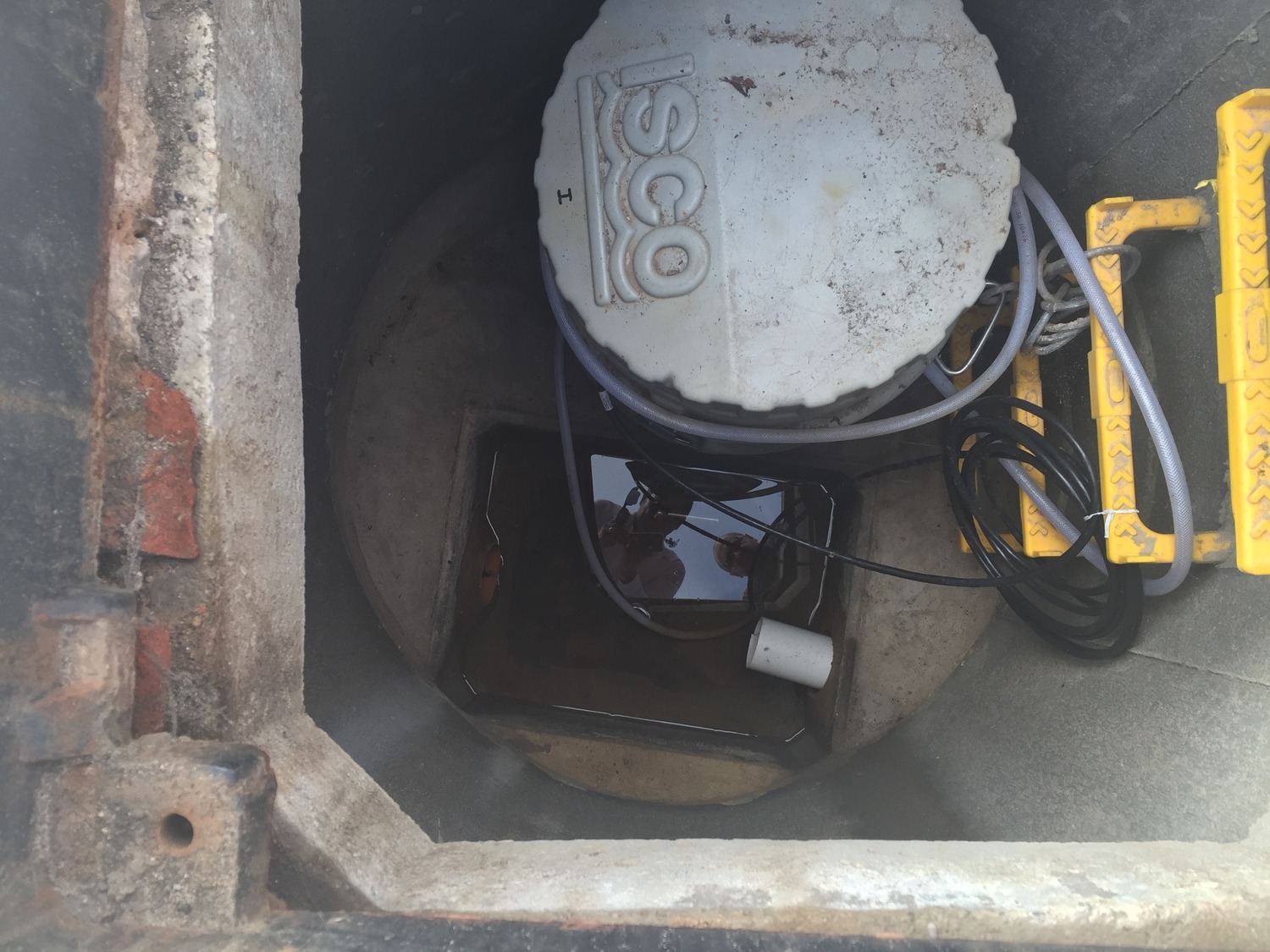
The Silva Cells themselves were filled with lightly compacted bioretention soil, providing both structural support and stormwater treatment. Water percolated through this soil, where pollutants were filtered and natural processes slowed the flow. At the base of the system, an underdrain ensured excess water could exit to the municipal system slower and cleaner. Finally, monitoring chambers positioned at each end allowed researchers to capture inflow and outflow samples, giving the project its unique ability to measure and prove performance.

Alongside the hydrological performance, the three London Plane trees have thrived. The generous rooting volume and bioretention soil provided by the Silva Cells have supported their establishment in an urban setting that would otherwise restrict root growth. Now well beyond their pilot years, the trees stand as healthy, mature assets — proof that combining stormwater engineering with tree health delivers long-term urban resilience.
The Howard Street pilot demonstrated that trees and soil, when properly supported, could deliver measurable stormwater benefits in an urban setting. Since then, interest in nature-based systems has steadily grown across the UK, as cities and design teams look for solutions that both manage water and improve the urban environment.
Howard Street’s monitored success provided confidence that these approaches were more than theory — they could work in practice. In the years that followed, many other UK projects have incorporated Silva Cells and similar green infrastructure strategies, contributing to a shift in how stormwater management is planned and delivered. Today, Howard Street is remembered not as the first or the biggest, but as an important proof point that helped build momentum for greener, more resilient cities.
 Soil. Stormwater. Sustainable Infrastructure.
 en
en
Request a Quote [email protected]
Tel: 415 781 9700
Toll Free: 800 458 7668
Toll Free: 800 277 7668
Fax: 415 781 0191
